

🤖 AI Summary
Overview
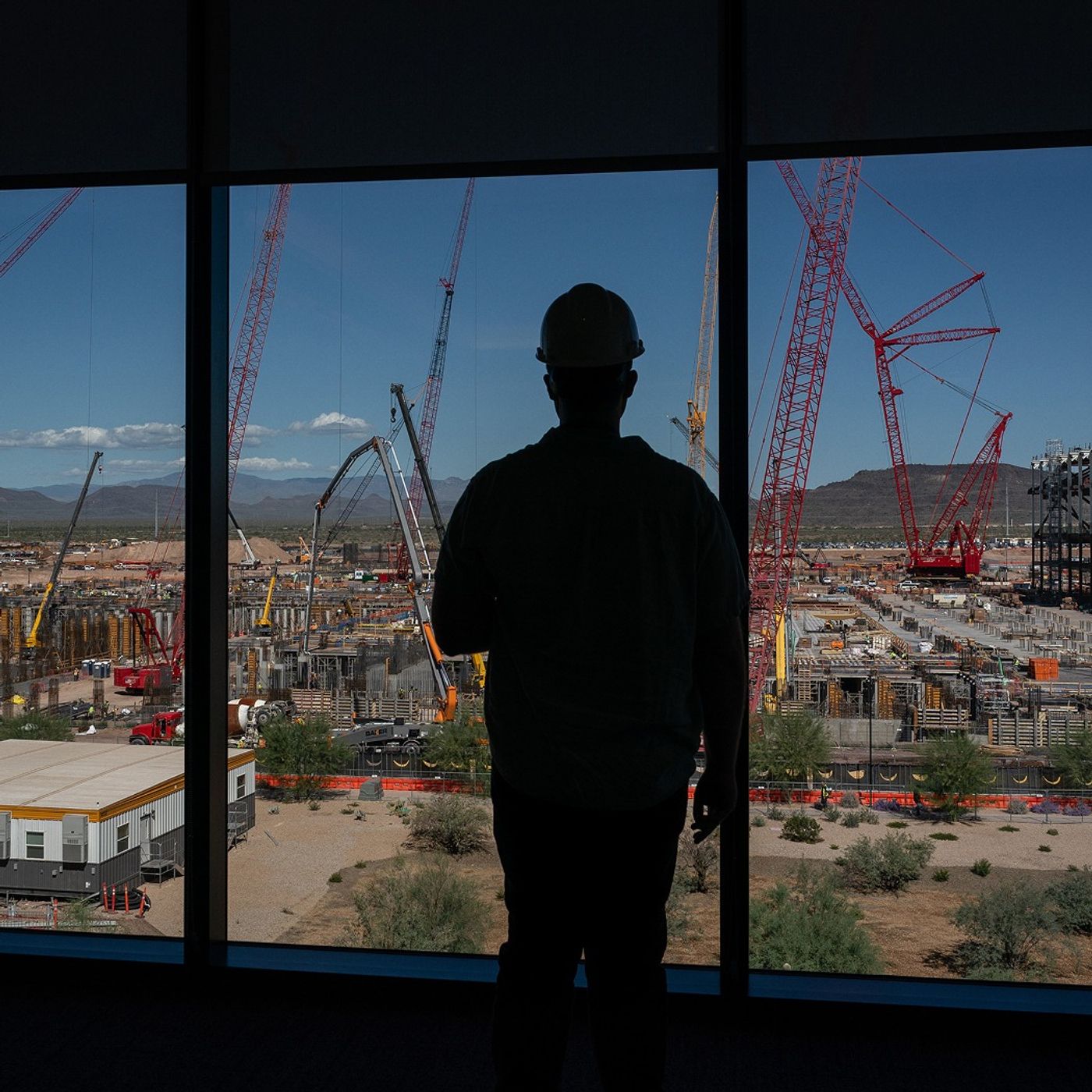
The episode explores the challenges and complexities of building a massive semiconductor factory in Arizona, a project emblematic of the U.S.'s push to revive domestic manufacturing. It examines the logistical, regulatory, and cultural hurdles faced by Taiwan Semiconductor Manufacturing Company (TSMC) and questions whether this effort serves as a model or a cautionary tale for future manufacturing projects in the United States.
Notable Quotes
- We need some insurance. It’s not that globalization is bad. It’s that globalization without insurance against risks... that’s not so good.
— Peter S. Goodman, on the need for domestic manufacturing.
- TSMC actually has to write 18,000 rules... just to comply with regulations. That cost them $35 million.
— Peter S. Goodman, on the regulatory challenges of building in the U.S.
- If it’s this hard for the most successful maker of computer chips in the world, how hard will it be... for anybody else?
— Peter S. Goodman, on the broader implications of the project’s difficulties.
🛠️ The Vision of ‘Made in America’
- The Arizona factory represents a shift in U.S. policy, prioritizing domestic manufacturing of critical goods like computer chips for national security and economic resilience.
- The Chips and Science Act provided billions in subsidies to incentivize companies like TSMC to build in the U.S., with TSMC receiving over $6 billion to construct the factory.
- The project is seen as a potential economic boon for Phoenix, creating thousands of jobs in construction, manufacturing, and related services.
📜 Regulatory and Logistical Hurdles
- Unlike Taiwan’s streamlined system, TSMC faced a fragmented U.S. regulatory environment, requiring 18,000 permits and $35 million just to draft compliance rules.
- The lack of existing regulations for chip factories in the U.S. forced TSMC to educate local authorities and create new standards from scratch.
- Even minor tasks, like moving dirt, required multiple permits and inspections, highlighting inefficiencies in the American system.
👷 Workforce Challenges
- The U.S. lacks a skilled labor force with experience in building advanced semiconductor factories, as the last major fab was completed 13 years ago.
- TSMC had to bring in specialized workers from Taiwan, sparking tensions with local unions and accusations of discrimination against American workers.
- Cultural differences between Taiwanese and American work practices further complicated operations, with differing expectations around work hours and employer-employee relationships.
🏠 Community Pushback
- Nearby residents opposed the construction of ancillary facilities, citing concerns about noise, water usage, and disruptions to their lifestyle.
- A packaging plant planned in a mixed-use community faced significant resistance, ultimately forcing the company to relocate.
- The clash highlights the difficulty of balancing national manufacturing goals with local interests and environmental considerations.
⚖️ A Model or a Warning?
- While the project demonstrates that large-scale manufacturing is possible in the U.S., it also underscores the immense challenges involved.
- TSMC’s struggles, despite its resources and expertise, raise doubts about whether other companies could replicate such efforts without significant government support.
- The experience sends a mixed message to global investors, suggesting that while the U.S. is open for business, it remains a difficult and costly place to operate.
AI-generated content may not be accurate or complete and should not be relied upon as a sole source of truth.
📋 Episode Description
The construction of a giant factory complex in Arizona was supposed to embody the Trump administration’s ability to bring manufacturing back to the United States.
But undertaking big projects is not as simple as it seems. Peter S. Goodman, who writes about the intersection of economics and geopolitics for The New York Times, explains why.
Guest: Peter S. Goodman, who covers the global economy for The New York Times.
Background reading:
- Read about the 18,000 or so reasons that make it so hard to build a chip factory in the United States.
Photo: Loren Elliott for The New York Times
For more information on today’s episode, visit nytimes.com/thedaily. Transcripts of each episode will be made available by the next workday.
Subscribe today at nytimes.com/podcasts or on Apple Podcasts and Spotify. You can also subscribe via your favorite podcast app here https://www.nytimes.com/activate-access/audio?source=podcatcher. For more podcasts and narrated articles, download The New York Times app at nytimes.com/app.