

🤖 AI Summary
Overview
This episode explores the economic implications of rising imports and inventory levels, the critical role of semiconductors in global trade, and the disproportionate effects of monetary policy on Black unemployment rates. It also delves into the challenges of transitioning careers, the economic impact of France's debt crisis on the euro, and the creation of a community hub centered around soccer.
Notable Quotes
- When the Fed tightens, Black Americans feel it first. That’s an additional source of information about the true strength of the labor market.
– E.J. Ume, on the disproportionate impact of monetary policy on Black unemployment.
- It’s actually a real sign of strength to say, ‘I’m done with this chapter. I’m ready to move on to another one.’
– Sarah Wallace, on redefining success after leaving her job.
- Semiconductors are the guts of pretty much any electronic device. You often miss who makes the most money per chip—it’s usually the design firms.
– Chris Miller, on the complexities of the semiconductor value chain.
📈 Rising Imports and Inventories
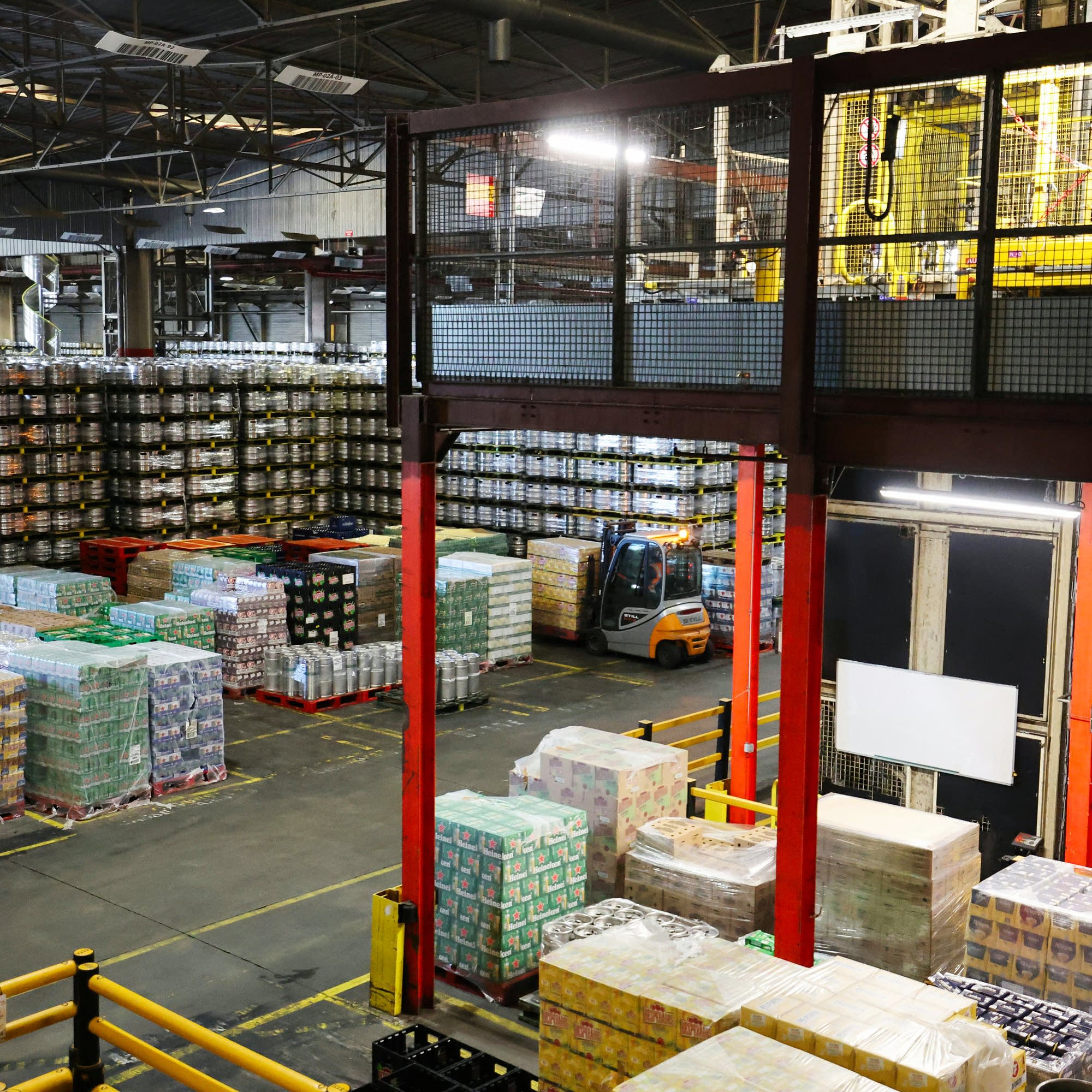
- August saw a 4.3% increase in imports, driven by demand for goods like semiconductors, telecommunications gear, and machinery, particularly for data centers. (Justin Ho)
- Despite high costs from tariffs and interest rates, resilient consumer demand is sustaining inventory growth. However, companies are hesitant to invest in long-term warehousing and transportation due to uncertainty about future demand. (Zach Rogers)
- AI-related investments are becoming a dominant economic driver, though their narrow focus poses risks to broader economic stability. (Megan Schoenberger)
💻 The Semiconductor Trade Boom
- U.S. semiconductor exports have risen steadily in 2026, fueled by investments from the CHIPS Act. However, the U.S. still imports more semiconductors than it exports. (Stephanie Hughes)
- The U.S. dominates chip design, capturing the majority of profits, while manufacturing often occurs overseas. This highlights the complexity of the global semiconductor value chain. (Chris Miller)
📉 Black Unemployment and Monetary Policy
- The Black unemployment rate rose from 6% to 7% in September, reflecting the last hired, first fired
dynamic. This trend often signals early signs of labor market slack. (E.J. Ume)
- Tight monetary policy disproportionately impacts Black Americans, particularly Black women, who are overrepresented in service-sector jobs sensitive to economic downturns. (E.J. Ume)
- Historically, tight labor markets have narrowed racial unemployment gaps, suggesting potential benefits of allowing the economy to run hot.
🇫🇷 France’s Debt and the Euro’s Decline
- France’s reliance on short-term borrowing during a period of low interest rates has backfired as refinancing costs surge. (Kenneth Rogoff)
- Political instability, including debates over debt forgiveness and retirement age reforms, has spooked investors, leading to a sell-off of French bonds and euros. (Veronique de Rugy)
⚽ Building Community Through Soccer
- Former professional soccer player Jordan DeSalva co-founded Neighborhood Sports Club in Oakland, creating a space for community, design, and soccer culture.
- The club hosted over 500 people during the World Cup, fostering a neighborly, inclusive atmosphere. It also supports women’s soccer through leagues and pickup games.
- With the 2027 Women’s World Cup approaching, the club aims to expand its offerings and further engage the community. (Jordan DeSalva)
AI-generated content may not be accurate or complete and should not be relied upon as a sole source of truth.
📋 Episode Description
We got fresh data showing imports and inventory levels are up. Is it a sign of a strong economy, or a sign businesses are bracing for impact? In this episode, AI remains a major driver of this strange economy. Plus: The U.S. is simultaneously importing and exporting a ton of semiconductors, the euro drops to a 17-month low, and monetary policy disproportionately impacts Black employment rates.
Every story has an economic angle. Want some in your inbox? Subscribe to our daily or weekly newsletter.
Marketplace is more than a radio show. Check out our original reporting and financial literacy content at marketplace.org — and consider making an investment in our future.
Read the stories in today’s episode:
- Imports and inventories are rising. Does that mean the economy is strong?
- Semiconductor imports and exports have been rising all year
- The Black-white employment gap is growing. What's that say about the economy?
- Sometimes quitting a job is a "real sign of strength"
- France's debt pushes the euro to 17-month low
- World Cup business keeps kicking after the final whistle