

🤖 AI Summary
Overview
This episode explores the rapid rise of buy now, pay later
(BNPL) loans in the United States, a form of short-term credit that has become increasingly popular since the pandemic. Business reporter Stacey Cowley delves into why these loans are so appealing, their hidden risks, and what their widespread use reveals about the financial struggles of American consumers.
Notable Quotes
- Life is too short to not experience things because you don't have the money right now, baby, put it on the payment plan.
– Stacey Cowley, on the cultural normalization of BNPL loans.
- We can't solve income or the price of rent and affordability. What we can help people solve is a timing issue. It's harm reduction.
– Executive at Flex, on the role of BNPL loans in addressing financial struggles.
- Don't get dependent on it like I have gotten myself dependent on it.
– Ashley Reed, reflecting on her reliance on BNPL loans for essentials.
🛒 The Rise of Buy Now, Pay Later Loans
- BNPL loans allow consumers to split payments into smaller installments, often over a few weeks or months.
- They are easy to obtain, with approvals often taking minutes, and initially targeted online retail purchases.
- The pandemic accelerated their popularity as people shopped online more frequently, with merchants offering BNPL options to boost sales.
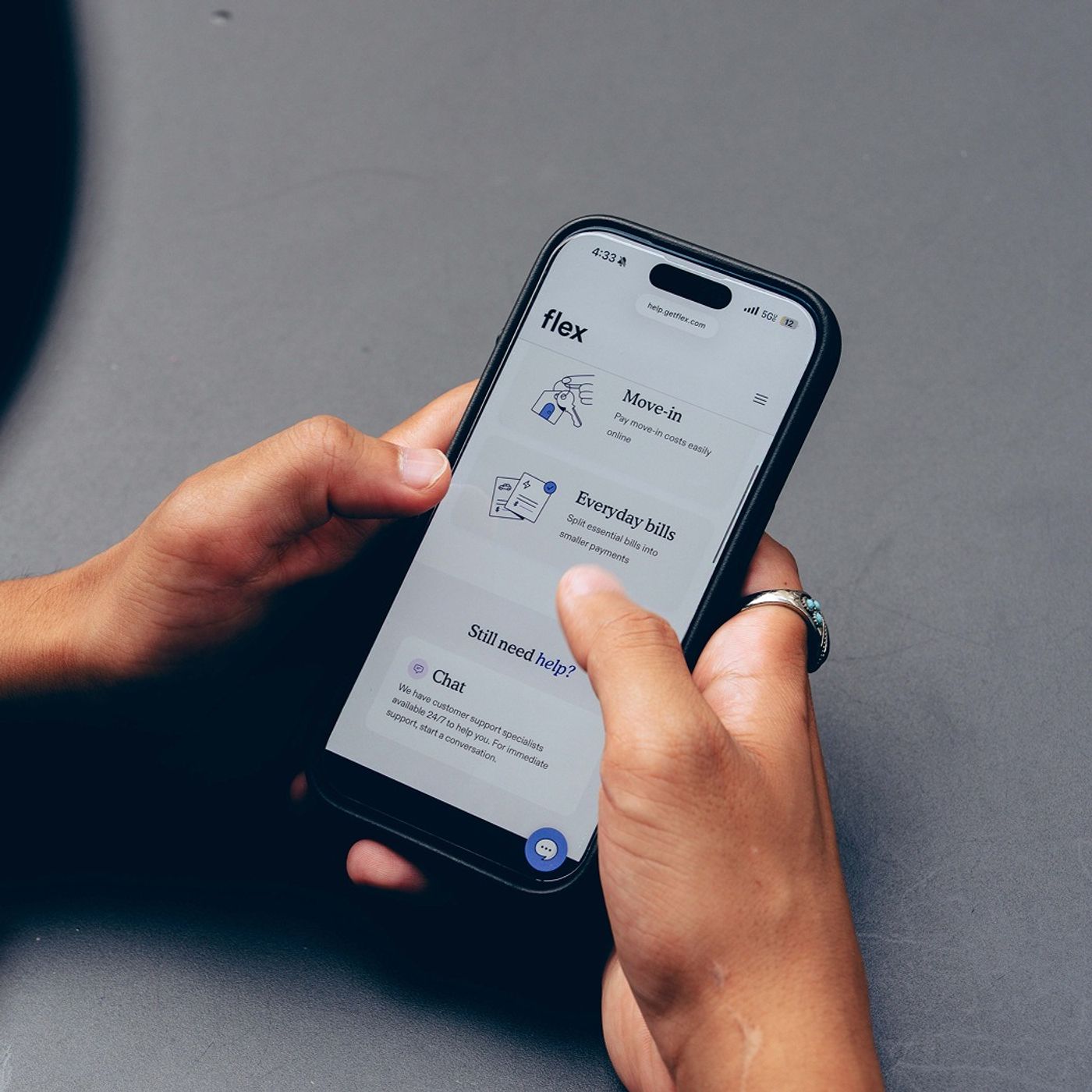
- BNPL loans have expanded beyond retail to cover essentials like groceries, rent, and utilities, with apps like Flex and Affirm leading the charge.
📈 The Appeal and Rapid Growth
- BNPL loans are marketed as transparent and predictable, with fixed fees instead of fluctuating interest rates like credit cards.
- They are particularly attractive to consumers who have maxed out credit cards or lack access to traditional credit.
- In 2025, Americans spent $160 billion through BNPL loans, double the amount spent two years earlier.
- Influencer culture and social media platforms like Instagram and TikTok have normalized BNPL usage, encouraging impulse purchases and lifestyle upgrades.
💳 Hidden Risks and Financial Traps
- BNPL companies often require access to bank accounts or debit cards, automatically withdrawing payments on due dates. This can lead to overdraft fees if funds are insufficient.
- The lack of comprehensive credit checks allows consumers to take out multiple loans, creating a cycle of debt similar to payday loans.
- Borrowers like Ashley Reed describe the stress of prioritizing BNPL payments over other bills to maintain access to credit for essentials.
📊 Regulation and Consumer Impact
- BNPL loans are largely unregulated, with limited oversight compared to traditional credit products. This raises concerns about their long-term impact on consumer debt.
- While some states are exploring regulations, federal efforts have stalled.
- Economists worry that the rapid growth of BNPL loans reflects financial desperation rather than consumer preference, highlighting the broader affordability crisis in the U.S.
🧠 The Psychology of Debt and Spending
- BNPL loans interact with consumer psychology, making debt feel less intimidating and encouraging spending.
- The ease of use and low upfront costs create a permission structure
for consumers to accumulate debt without fully grasping the consequences.
- As BNPL loans shift from discretionary purchases to necessities, they underscore the financial struggles many Americans face in meeting basic needs.
AI-generated content may not be accurate or complete and should not be relied upon as a sole source of truth.
📋 Episode Description
As people in the United States struggle with rising costs, they are increasingly turning to “buy now, pay later” loans for essentials such as rent and groceries.
Stacey Cowley, a business reporter for The New York Times, explains the draw and the hidden risks of the loan model.
Guest: Stacy Cowley, a business reporter at The New York Times, with a focus on consumer finance.
Background reading:
- “Buy now, pay later” lenders have pitched loans for needs like electricity and rent.
- They got to live a life of luxury. Then came the fine print.
Photo: Amir Hamja for The New York Times
For more information on today’s episode, visit nytimes.com/thedaily. Transcripts of each episode will be made available by the next workday.
Subscribe today at nytimes.com/podcasts or on Apple Podcasts and Spotify. You can also subscribe via your favorite podcast app here https://www.nytimes.com/activate-access/audio?source=podcatcher. For more podcasts and narrated articles, download The New York Times app at nytimes.com/app.
Hosted by Simplecast, an AdsWizz company. See pcm.adswizz.com for information about our collection and use of personal data for advertising.