

🤖 AI Summary
Overview
This episode explores the economic ripple effects of the ongoing war in the Middle East, including its impact on markets, consumer sentiment, and the agricultural sector. It also highlights the struggles of farmers facing rising costs and low crop prices, alongside a personal story of navigating the gig economy in New York City.
Notable Quotes
- The stock market is kind of like that very hyper college student that's not exactly focused on what's happening right in front of them.
— Courtney Brown, on the erratic behavior of equity markets during the war.
- By God, you owe me money.
— Chris Gibbs, an Ohio farmer, expressing frustration over rising costs and reliance on government aid.
- There used to be these paths that existed for life to just not be easy, but you could do it. Even those traditional paths are disappearing.
— Virgil Warren, on the challenges of finding stable work in the gig economy.
🌍 The Economic Fallout of War
- David Gura describes the current situation as an everything shock,
with disruptions spanning oil prices, transportation costs, and supply chains.
- Inflationary pressures are mounting, with higher costs for gas, fertilizer, and capital impacting businesses and consumers alike.
- Policymakers are preparing for a prolonged conflict, with oil prices expected to remain above $100 per barrel, exacerbating economic strain globally.
📉 Consumer Sentiment and Inflation Expectations
- The University of Michigan's consumer sentiment survey shows a 6% decline, with higher-income households experiencing a sharper drop.
- Inflation expectations have risen, with consumers bracing for higher prices on essentials like gas, food, and travel.
- Despite declining sentiment, discretionary spending remains strong, particularly among upper-income households, though this resilience may falter if inflation persists.
🚜 Farmers in Crisis
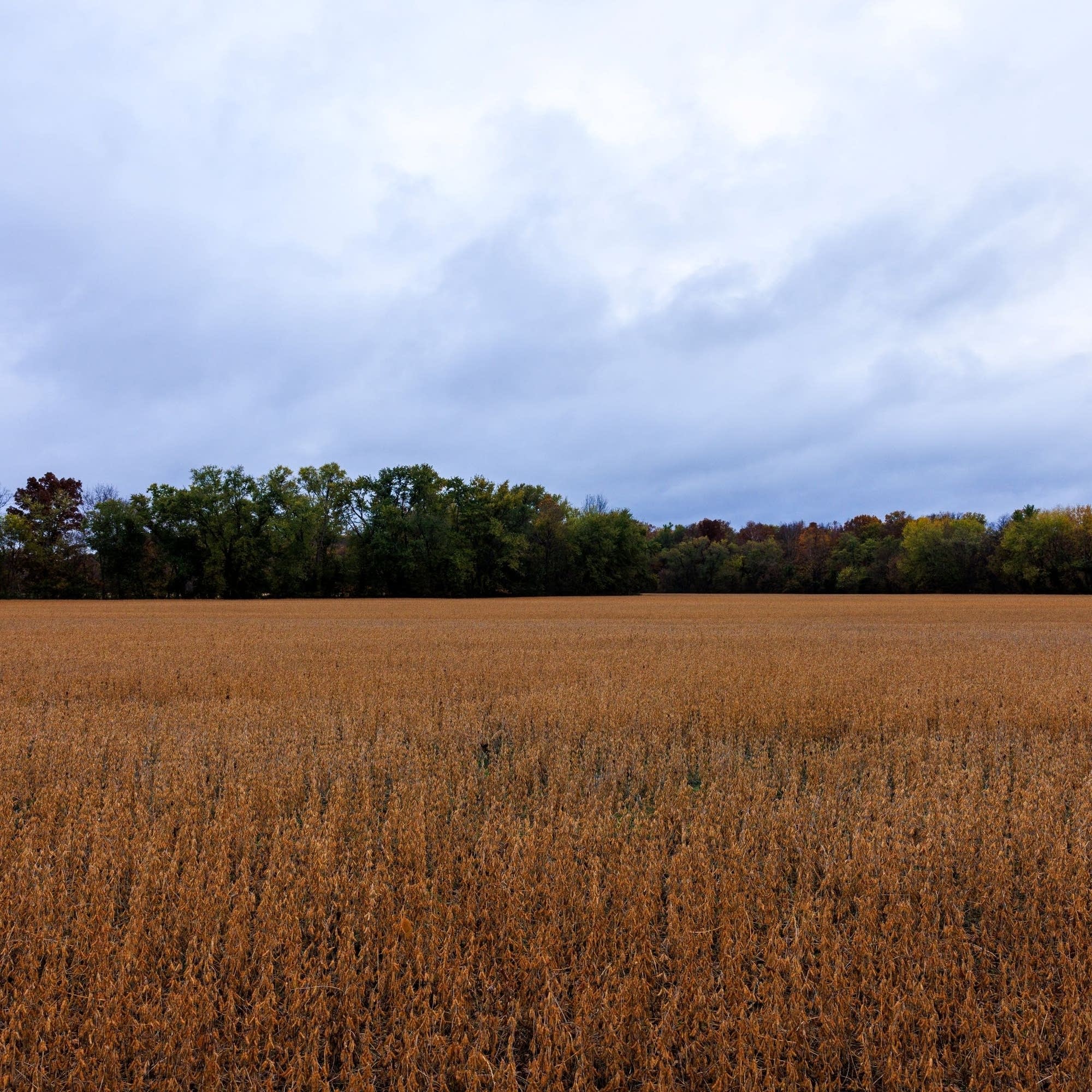
- Ohio farmer Chris Gibbs shares how rising diesel and fertilizer costs, coupled with tariffs and low crop prices, are pushing farmers into financial distress.
- Many farmers are delaying purchases of essential inputs, and some are unable to afford planting altogether.
- Tariffs on foreign-made equipment parts are further squeezing farmers, who are already struggling with reduced export markets.
🎨 Navigating the Gig Economy
- Virgil Warren, a working artist in New York City, discusses the challenges of finding stable employment post-graduation.
- He highlights the lack of full-time positions, competition with experienced professionals, and reliance on platforms like Instagram and Craigslist for job opportunities.
- Warren reflects on the disappearance of traditional career paths, emphasizing the need to adapt to a gig-based economy.
AI-generated content may not be accurate or complete and should not be relied upon as a sole source of truth.
📋 Episode Description
A growing number of farmers can’t afford to plant their crops this year. It’s because of rising costs for diesel, fertilizer, and equipment parts — coupled with low crop prices. On today’s episode, we talk to an Ohio soybean and corn farmer. Plus, how our economic landscape has changed after four weeks of war. Also, we break down the new consumer sentiment survey. And finally, a New York City artist shares his experience with the job market and gig economy.
Every story has an economic angle. Want some in your inbox? Subscribe to our daily or weekly newsletter.
Marketplace is more than a radio show. Check out our original reporting and financial literacy content at marketplace.org — and consider making an investment in our future.