

🤖 AI Summary
Overview
This episode explores the economic implications of rising long-term bond yields, persistent inflation, and mounting national debt. It also examines the ripple effects of energy prices on inflation, the challenges faced by small businesses due to rising costs, the decline of coal as an energy source, Puerto Rico's water crisis, and an innovative solar energy program in Ann Arbor, Michigan.
Notable Quotes
- Every borrower in America pays the price when lenders demand higher compensation for risks.
– Greg Ip, on the impact of rising long-term bond yields.
- A lot of Puerto Riqueños are tired of being resilient. We're known for that, but it just gets exhausting.
– Chef Maria Mercedes-Grubb, on the toll of Puerto Rico's water crisis.
- Having the power actually produced in our community is really valuable for resiliency.
– Shoshana Lenski, on Ann Arbor's free solar panel initiative.
📈 Rising Long-Term Bond Yields and National Debt
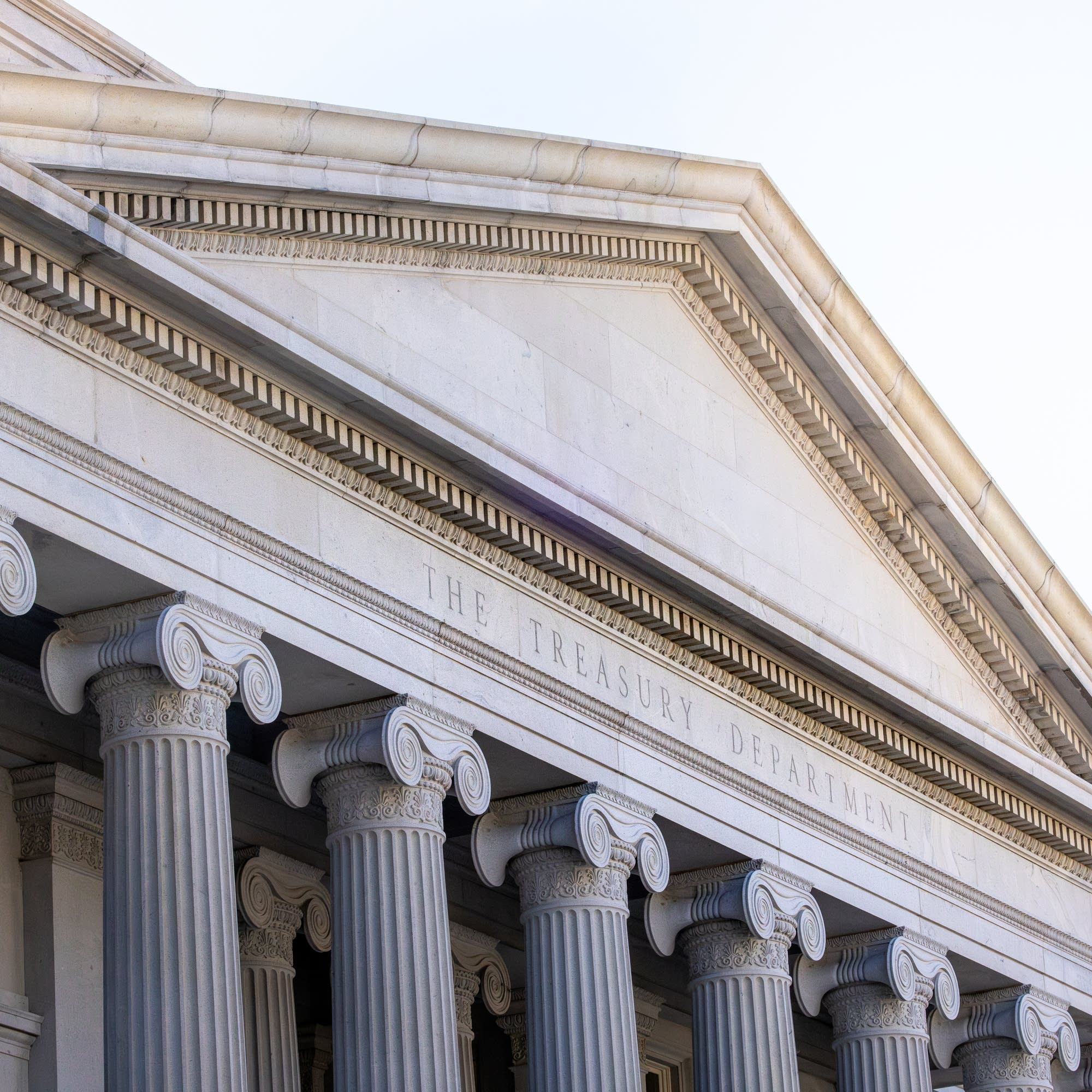
- Greg Ip from the Wall Street Journal explains that the U.S. government recently sold 30-year bonds at a 5.216% interest rate, the highest in nearly 20 years.
- Factors driving higher yields include persistent inflation, increased government borrowing due to a $2.1 trillion deficit, and concerns about the Federal Reserve's commitment to low inflation.
- Rising yields signal higher borrowing costs for the government and consumers, impacting mortgages, business loans, and overall economic growth.
🛢️ Energy Prices and Inflation
- Energy prices, particularly oil, continue to influence inflation, with economists noting sticky
inflation due to global energy market constraints.
- Rising energy costs are impacting producers through higher material and transportation expenses, which are then passed on to consumers.
- Experts warn of potential future inflationary shocks, such as geopolitical conflicts or natural disasters, further complicating economic recovery.
🛍️ Small Businesses Struggle with Rising Costs
- Small business owners are grappling with increased costs for materials, transportation, and packaging, often driven by higher oil prices.
- For example, a fishing tackle shop in Baltimore has seen the cost of plastic jars for lures rise significantly, forcing price hikes.
- Retailers are finding it difficult to absorb these costs or pass them on to customers, with some, like an ice cream shop owner, extending hours to boost sales.
🌍 The Decline of Coal and the Rise of Renewables
- Despite political efforts to revive coal, market forces favor cheaper and more sustainable energy sources like natural gas, wind, and solar.
- Aging coal infrastructure and the long-term investment cycles of utilities make coal less competitive compared to renewable energy.
- Experts predict that renewables and natural gas will continue to dominate the energy market, further diminishing coal's role.
🚰 Puerto Rico’s Water Crisis and Economic Impact
- Puerto Rico's ongoing water shortages, exacerbated by drought and infrastructure issues, are crippling local businesses.
- Chef Maria Mercedes-Grubb shared how her restaurant has faced a 30% drop in sales due to water rationing, forcing staff cuts and operational challenges.
- The crisis highlights the broader struggles of Puerto Ricans, who are weary from repeated disasters, including Hurricane Maria and the pandemic.
☀️ Ann Arbor’s Free Solar Panel Initiative
- Ann Arbor, Michigan, has launched a pilot program offering free solar panels and batteries to residents, funded by government grants and city budgets.
- Participants pay a monthly fee for the energy generated, which is offset by savings on their electricity bills.
- The program aims to reduce energy costs, improve grid reliability, and promote renewable energy adoption, particularly in low-income neighborhoods.
- Residents have praised the initiative for its cost savings, environmental benefits, and increased energy security.
AI-generated content may not be accurate or complete and should not be relied upon as a sole source of truth.
📋 Episode Description
The government is selling 30-year bonds with interest rates at a quarter-century high. We talk with Greg Ip at the Wall Street Journal about how that could be a warning from investors over stubborn inflation and mounting debt. Also in this episode, we look at how energy prices shape the Producer Price Index, rising prices for retailers, and coal slipping as an energy source, before diving into infrastructure with a look at Puerto Rico’s water crisis and solar panel installation in Ann Arbor, Michigan.
Every story has an economic angle. Want some in your inbox? Subscribe to our daily or weekly newsletter.
Marketplace is more than a radio show. Check out our original reporting and financial literacy content at marketplace.org — and consider making an investment in our future.
Read the stories in today’s episode: