

🤖 AI Summary
Overview
Steven Spielberg discusses his new film Disclosure Day, which explores humanity's response to the existence of aliens, a recurring theme in his career. The conversation delves into Spielberg's evolving beliefs about extraterrestrial life, the role of faith and empathy in storytelling, and the communal power of cinema. Spielberg also reflects on his creative process, personal experiences, and the future of filmmaking in a rapidly changing world.
Notable Quotes
- I believe the believers.
— Steven Spielberg, on his growing conviction about the existence of aliens.
- The thing we need to preserve in our society more than anything else, which is as fragile as democracy, is empathy.
— Steven Spielberg, on the central theme of Disclosure Day.
- Movies build community. They bring people together to share an experience, and that’s something we’re losing today.
— Steven Spielberg, on the enduring power of cinema.
🛸 Spielberg’s Fascination with Aliens
- Spielberg’s interest in extraterrestrial life has evolved since Close Encounters of the Third Kind. He now believes in the credibility of eyewitness accounts and visual evidence, particularly since the advent of smartphones.
- He credits a 2017 New York Times article on UFOs for bringing legitimacy to the topic, shifting it from tabloid sensationalism to mainstream discourse.
- Despite his belief in aliens, Spielberg avoided consulting whistleblowers for Disclosure Day, emphasizing that the film is a work of science fiction grounded in decades of circumstantial evidence.
🌍 Themes of Faith, Empathy, and Humanity
- Disclosure Day explores profound questions about faith: Does God love only humanity? How do we maintain faith in each other during divisive times?
- Spielberg highlights the loss of community and human connection as central themes, aiming to use the film to inspire empathy and unity.
- The characters in Disclosure Day possess superpowers
of deep emotional understanding, reflecting Spielberg’s belief in the transformative power of empathy.
🎥 The Power and Evolution of Cinema
- Spielberg reminisces about how movies like Dr. Strangelove provided an escape during turbulent times, a quality he strives to replicate in his own films.
- He emphasizes the communal experience of watching movies in theaters, describing it as contagious
and vital for building connections.
- While acknowledging the rise of streaming and digital content, Spielberg remains optimistic about the future of movie theaters, predicting they will adapt with new technologies.
🎨 Creativity, Therapy, and Collaboration
- Spielberg views filmmaking as a form of therapy, often unconsciously working through personal experiences and fears, as seen in The Fabelmans and Jaws.
- He shares how painting models with fellow directors, including Guillermo del Toro, fosters creative dialogue and camaraderie.
- Reflecting on his career, Spielberg notes the challenges of maintaining honest collaboration as his stature grew, underscoring the importance of trusted, long-term collaborators.
🤖 Spielberg on AI and the Future
- Spielberg expresses cautious skepticism about AI, particularly its potential to replace human creativity.
- He plans to spend the summer learning about AI to better understand its implications for storytelling and filmmaking.
- Despite technological advancements, Spielberg remains committed to storytelling that prioritizes human connection and emotional resonance.
AI-generated content may not be accurate or complete and should not be relied upon as a sole source of truth.
📋 Episode Description
Almost 50 years ago, Steven Spielberg directed “Close Encounters of the Third Kind,” the story of an average man who discovers that humanity may not be alone in the universe. Over the decades, Spielberg has directed several movies about what would happen if humanity made contact with aliens. Would the aliens be kind like the title character in “E.T. the Extra Terrestrial”? Would they be cruel like the murderous aliens of “War of the Worlds”? And regardless of what the aliens were like, would we humans be ready to receive them?
Spielberg returns to the question of whether we’re alone in the universe, and what it might mean if we’re not, with his new film “Disclosure Day.” Today, he sits down with Rachel Abrams, a host of “The Daily,” to talk about the film, and about what he has learned over five decades of making movies about aliens.
On Today’s Episode
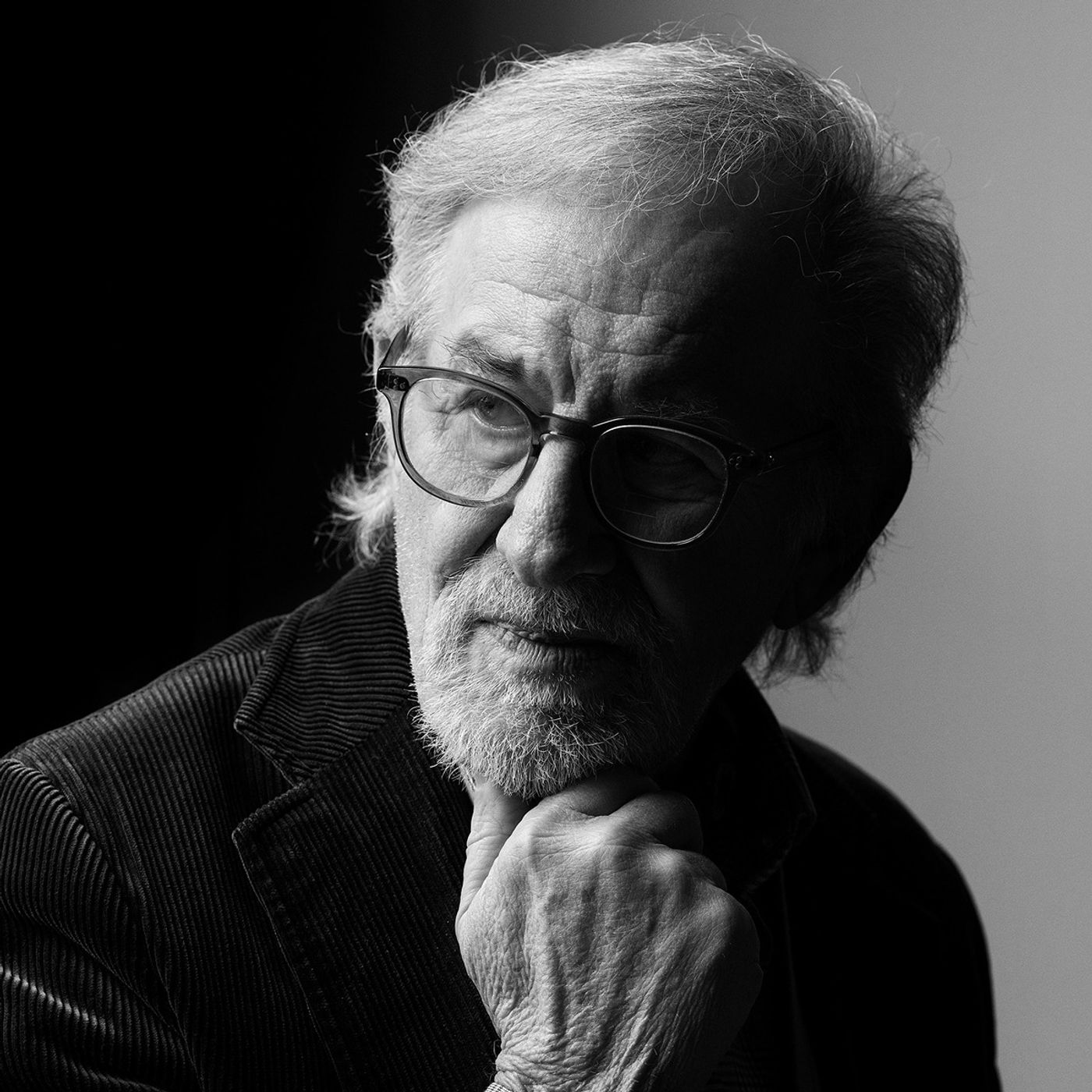
Steven Spielberg, director of “Disclosure Day.”
Background Reading
‘Disclosure Day’ Review: Spielberg Plays His Greatest Cosmic Hits
What Steven Spielberg Taught Me About Fear, Catharsis, and Being Human
Photo credit: Paolo Pellegrin/Magnum, for The New York Times
Subscribe today at nytimes.com/podcasts or on Apple Podcasts and Spotify. You can also subscribe via your favorite podcast app here https://www.nytimes.com/activate-access/audio?source=podcatcher. For more podcasts and narrated articles, download The New York Times app at nytimes.com/app.
Hosted by Simplecast, an AdsWizz company. See pcm.adswizz.com for information about our collection and use of personal data for advertising.