

🤖 AI Summary
Overview
This episode explores the economic ripple effects of the ongoing conflict in the Middle East, focusing on the crude oil supply chain and its impact on refineries and energy prices. It also delves into challenges in single-family home construction, the unique obstacles faced by Winter Paralympians, and how ski resorts are adapting their business models to changing weather patterns.
Notable Quotes
- Refineries in California can't just switch to the heavier sulfur-rich oil that comes from Western Canada because they aren't set up to handle it.
- Justin Ho, on the challenges of adapting to alternative oil supplies.
- The snow would get so warm and slushy... it just makes it so much harder to show up your best.
- Amy Purdy, on the challenges of competing in the Paralympics during spring conditions.
- Some years you would make money when the snow was good. Some years, you would not make very much money when the snow was bad.
- Roberto Ferdman, on the unpredictability of ski resort revenues before the advent of mega passes.
🛢️ The Global Oil Supply Crisis
- The closure of the Strait of Hormuz has disrupted the flow of Middle Eastern crude oil, pushing Brent crude prices above $100 per barrel.
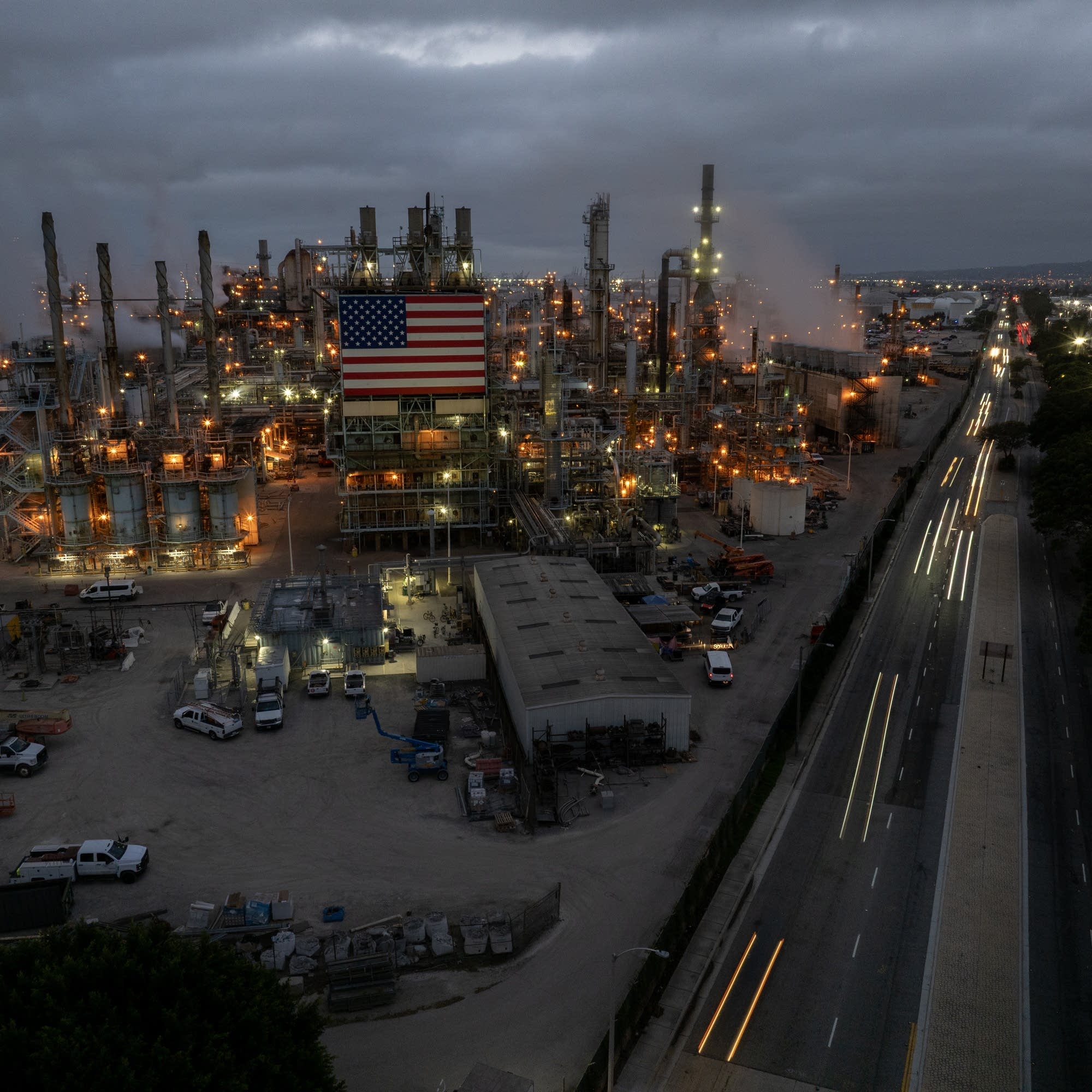
- California refineries, which rely heavily on Middle Eastern oil, face significant challenges as they lack the infrastructure to process alternative crude types like those from Western Canada.
- Experts predict potential refinery shutdowns due to insufficient crude supply, with recovery times ranging from weeks to months even if the conflict ends.
- High energy prices are expected to persist, driven by strong demand and limited supply.
🏠 Challenges in Single-Family Home Construction
- Single-family housing starts have slowed, with builders citing high costs for labor, materials, and financing as key barriers.
- Rising construction loan interest rates, tied to Federal Reserve policy, further complicate the situation.
- Experts suggest that lower Fed rates could ease financing costs, potentially boosting supply and reducing home prices.
🏔️ Winter Paralympics and Athlete Challenges
- Paralympians face deteriorating snow conditions in March, making it harder to perform at their best.
- Coverage of the Paralympics remains limited compared to the Olympics, with complaints about insufficient commentary and accessibility.
- Financial challenges for Paralympians are significant, with adaptive equipment costs and limited sponsorship opportunities adding to the burden.
⛷️ Ski Resorts and the Mega Pass Revolution
- Vail's Epic Pass transformed the ski industry by offering affordable, multi-resort access, but it has also led to overcrowding and higher day-ticket prices.
- Independent ski resorts struggle to compete with mega passes, often offering fewer amenities but lower costs.
- The growth of mega passes appears to be plateauing, with future expansion likely requiring international scaling or new customer acquisition strategies.
📉 Economic Impacts of Rising Gas Prices
- Gas prices have surged 22% nationwide in the past month, impacting gig workers and companies like Uber and Lyft.
- The broader economic effects include increased costs for consumers and businesses, further straining budgets amid inflationary pressures.
AI-generated content may not be accurate or complete and should not be relied upon as a sole source of truth.
📋 Episode Description
President Trump’s war with Iran continues to provoke economic consequences. With the Strait of Hormuz closed, Middle East crude oil will be blocked from reaching refineries, including those in California. In this episode, what happens if those refineries run out of oil. Plus: Single-family home construction slows as costs rise, winter Paralympians face unique obstacles, and fickle weather reshapes the ski resort business model.
Every story has an economic angle. Want some in your inbox? Subscribe to our daily or weekly newsletter.
Marketplace is more than a radio show. Check out our original reporting and financial literacy content at marketplace.org — and consider making an investment in our future.