

🤖 AI Summary
Overview
This episode delves into the current state of the U.S. labor market, highlighting a significant drop in job openings and its impact on various demographics. It also explores the challenges posed by artificial intelligence (AI) in hiring and lending, the U.S.'s lag in energy infrastructure compared to China, and a unique community project repurposing payphones for social good.
Notable Quotes
- We are seeing a bit of a misalignment between the supply and demand of and for labor.
- Mark Hamrick, on the current labor market challenges.
- The biggest risk that the U.S. might not win the race for leadership in AI is sufficient access to power at low cost.
- Jason Bordoff, on the energy race's implications for AI and technology.
- If I'm still doing this in five years, I believe we failed.
- Eric Kunzman, on the future of the Good Phone Project.
📉 Labor Market Misalignment
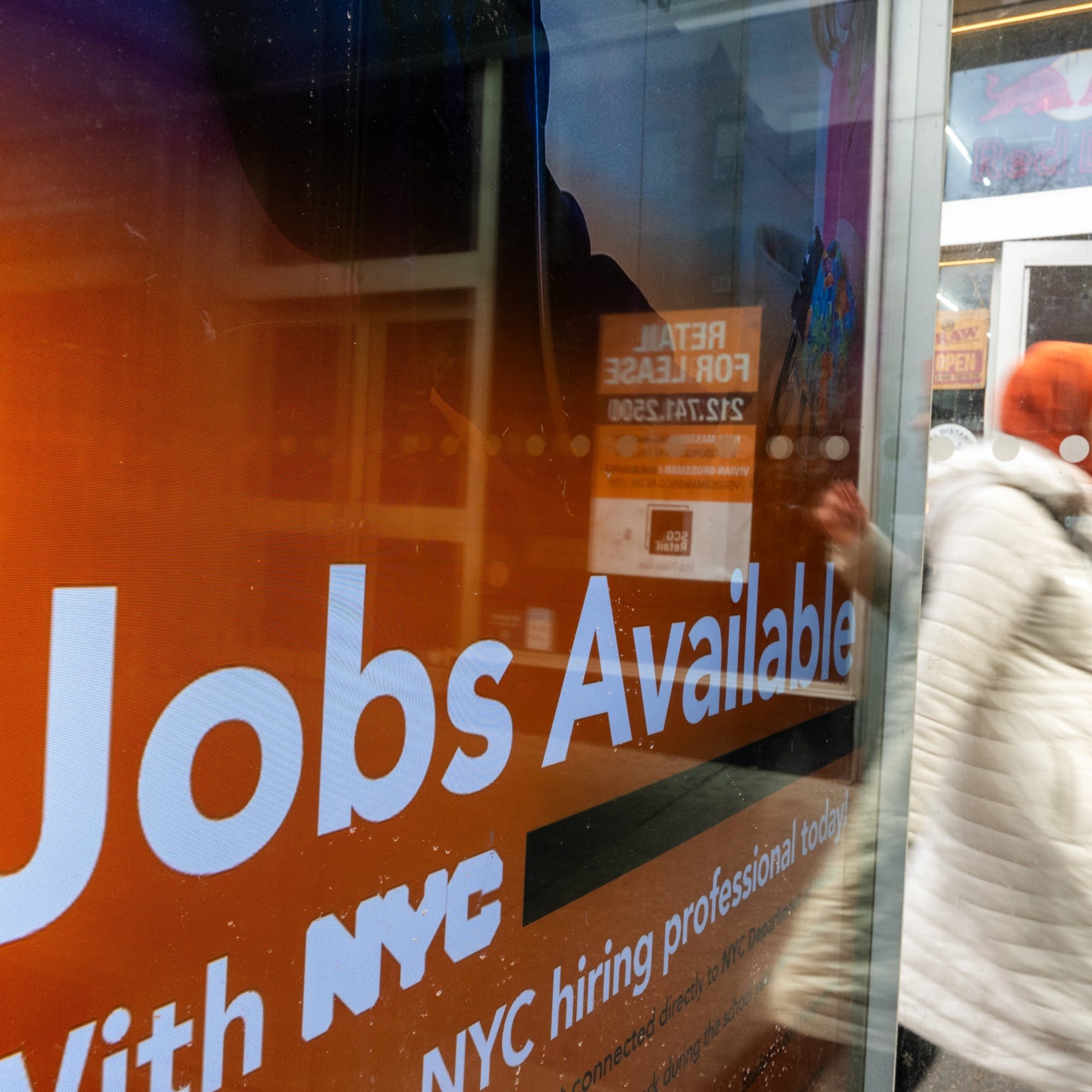
- Job openings in December fell to 6.5 million, the lowest since September 2020, with a notable drop in professional and business services.
- Mark Hamrick noted a reversal from prior years, where there were two job openings for every unemployed worker. Now, there are fewer openings than unemployed individuals.
- Tuan Nguyen linked the slowdown in hiring to AI adoption fears, as companies prioritize AI deployment over workforce expansion.
- Young workers and Black workers are disproportionately affected, with unemployment rates nearing double digits for these groups. Pavlina Chernova emphasized the lack of job creation and the rise in long-term unemployment.
🤖 AI's Impact on Lending and Employment
- Banks are cautious about lending to industries vulnerable to AI disruption, such as those offering services AI could replace.
- David Schiff highlighted that AI could either threaten borrowers' business models or make them more attractive by reducing costs.
- Some industries, like trucking and farming, remain unaffected by AI in the short term, according to Brad Bolton.
⚡ The U.S.-China Energy Race
- China is rapidly expanding its energy infrastructure, adding more power capacity in four years than the entire U.S. grid.
- By 2030, China is expected to triple its solar capacity and significantly increase wind and battery capacities.
- The U.S. faces challenges like outdated infrastructure, permitting bottlenecks, and high interest rates, which hinder renewable energy growth. Jason Bordoff warned that energy shortages could jeopardize U.S. leadership in AI and other technologies.
📞 The Good Phone Project
- Eric Kunzman, a photography professor, leads a project repurposing payphones to provide free calls for underserved communities in Rochester, NY.
- The phones, placed in libraries, shelters, and advocacy centers, offer 20 minutes of free calls and voicemail services for job applications or personal use.
- Kunzman hopes the project will eventually be adopted by local governments or social service agencies to ensure sustainability.
💡 Broader Economic Implications
- Rising Black unemployment, driven by federal job cuts and reduced diversity initiatives, could have long-term economic consequences, including lower wealth accumulation.
- The U.S.'s energy struggles could hinder its ability to compete in emerging technologies, with AI companies already facing power shortages.
- Bitcoin's recent disorderly decline
reflects broader economic uncertainties, with its value dropping significantly over the past month.
AI-generated content may not be accurate or complete and should not be relied upon as a sole source of truth.
📋 Episode Description
The latest JOLTS report is bleaker than expected. There were 6.5 million job openings across the U.S. economy in December, down nearly 400,000 from the previous month. This misaligned labor market is especially prominent in the services sector. In this episode, what's next for employment and which groups in particular are struggling to find work. Plus: The U.S. lags behind China in electrical capacity expansion, bankers show reluctance to lend to AI-impacted industries, and a photographer installs free-to-use phones across his city.
Every story has an economic angle. Want some in your inbox? Subscribe to our daily or weekly newsletter.
Marketplace is more than a radio show. Check out our original reporting and financial literacy content at marketplace.org — and consider making an investment in our future.