

🤖 AI Summary
Overview
This episode explores the Trump administration's use of the Federal Communications Commission (FCC) to influence media coverage, particularly targeting late-night television and news outlets. The discussion delves into the historical context of FCC regulations, the resurgence of the equal time rule,
and the broader implications for media freedom and political discourse.
Notable Quotes
- Donald Trump's administration wants to silence anyone who says anything bad about Trump on TV, 'cause all Trump does is watch TV.
– Stephen Colbert, highlighting the administration's media crackdown.
- We clear the way for family-friendly, faith-inspired, patriotic content.
– Daniel Surr, on his vision for reshaping media through FCC regulations.
- In our lifetimes, we have never seen the federal government get involved this much in content decisions on broadcast television.
– Jim Rutenberg, on the unprecedented nature of the FCC's actions.
📺 The FCC’s Crackdown on Late-Night Television
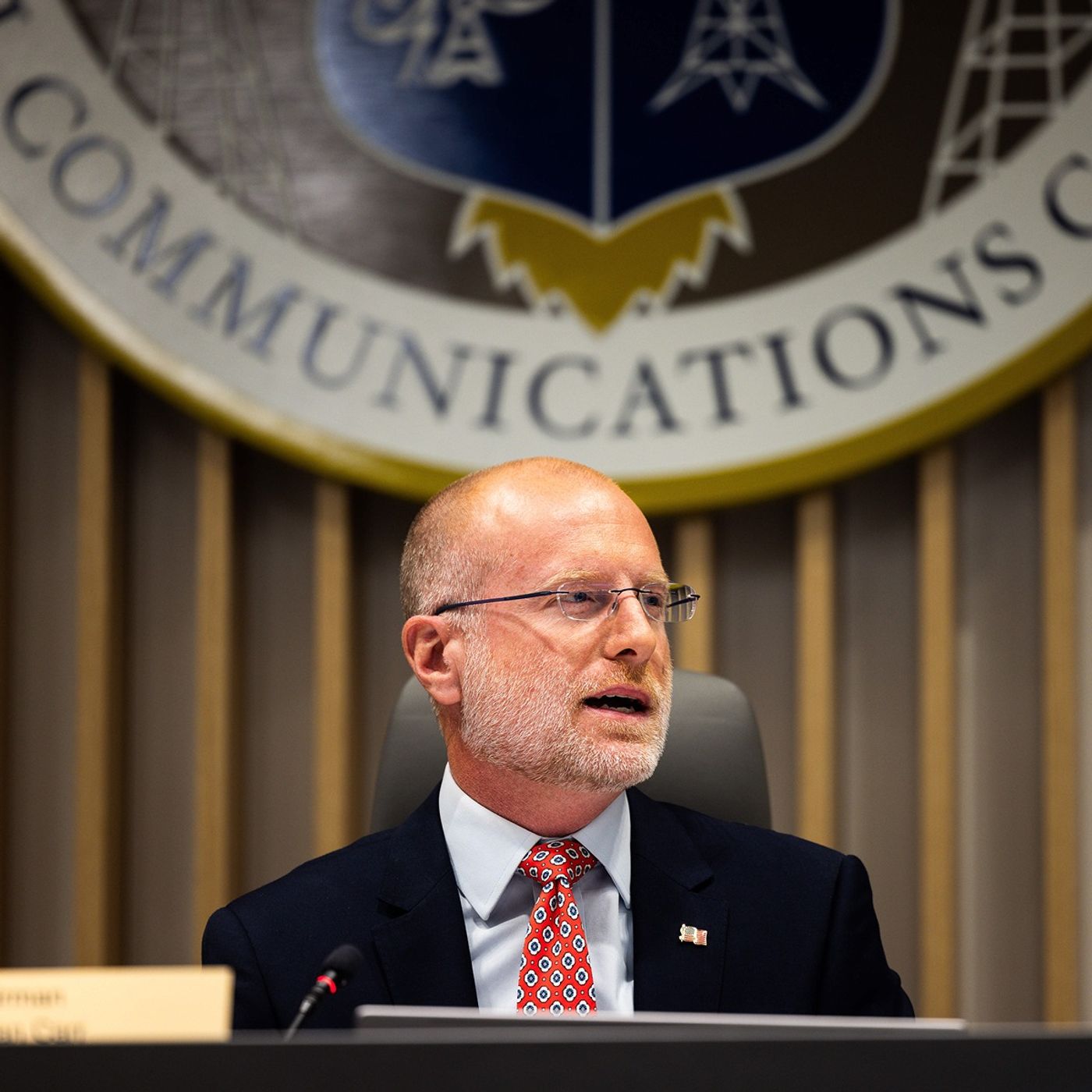
- The FCC, under Chairman Brendan Carr, has revived the equal time rule,
requiring broadcasters to provide equal airtime to political candidates featured on non-news programs.
- Stephen Colbert's decision to drop an interview with a Democratic Senate candidate was influenced by CBS's concerns over potential FCC penalties.
- Historically, late-night shows like The Tonight Show received exemptions from the rule, but Carr has declared these exemptions no longer valid.
⚖️ The Legal and Historical Context of FCC Regulations
- The equal time rule
originated in the 1920s to ensure fairness in political broadcasting, evolving over decades to exempt bona fide news programs.
- Late-night television, which blends entertainment and political commentary, has long operated in a regulatory gray area.
- The FCC's recent actions mark a significant shift, with legal experts questioning the enforceability of Carr's threats to revoke station licenses.
🎭 The Politicization of Late-Night TV
- Late-night programming has become increasingly political, with hosts like Stephen Colbert and Jimmy Kimmel often skewering conservative figures and policies.
- Critics argue that these shows disproportionately feature liberal guests, creating an imbalance in political representation.
- The FCC's focus on late-night reflects its broader strategy to curb perceived liberal bias in media.
🛠️ The Role of Conservative Activists in Shaping FCC Policy
- Daniel Surr, a conservative lawyer, has been instrumental in bringing media bias complaints to the FCC's attention.
- Surr's efforts, including complaints against Jimmy Kimmel and ABC, have influenced Carr's agenda to enforce stricter regulations on broadcast content.
- This marks a departure from traditional conservative opposition to government intervention in media.
🌐 Broader Implications for Media and Free Speech
- The FCC's actions extend beyond late-night TV, with investigations into programs like The View and potential implications for talk radio and cable news.
- Critics warn that these measures could set a precedent for future administrations to weaponize media regulations against political opponents.
- The debate raises questions about the balance between ensuring fairness in media and preserving freedom of expression.
AI-generated content may not be accurate or complete and should not be relied upon as a sole source of truth.
📋 Episode Description
This past weekend, the chairman of the Federal Communications Commission threatened to revoke broadcasters’ licenses over their coverage of the war in Iran.
Last month, Stephen Colbert said he had to drop an interview with a Senate candidate because of F.C.C. guidance that targeted political interviews on late-night shows.
Jim Rutenberg, a writer at large for The New York Times, explains how the Trump administration is trying to shape media coverage to fit its agenda.
Guest: Jim Rutenberg, a writer at large for The New York Times and The New York Times Magazine.
Background reading:
- Under President Trump, the F.C.C. has used obscure regulatory powers to crack down on network TV.
- How a century-old rule is scrambling late-night TV.
Photo: Tierney L. Cross for The New York Times
For more information on today’s episode, visit nytimes.com/thedaily. Transcripts of each episode will be made available by the next workday.
Subscribe today at nytimes.com/podcasts or on Apple Podcasts and Spotify. You can also subscribe via your favorite podcast app here https://www.nytimes.com/activate-access/audio?source=podcatcher. For more podcasts and narrated articles, download The New York Times app at nytimes.com/app.
Hosted by Simplecast, an AdsWizz company. See pcm.adswizz.com for information about our collection and use of personal data for advertising.