
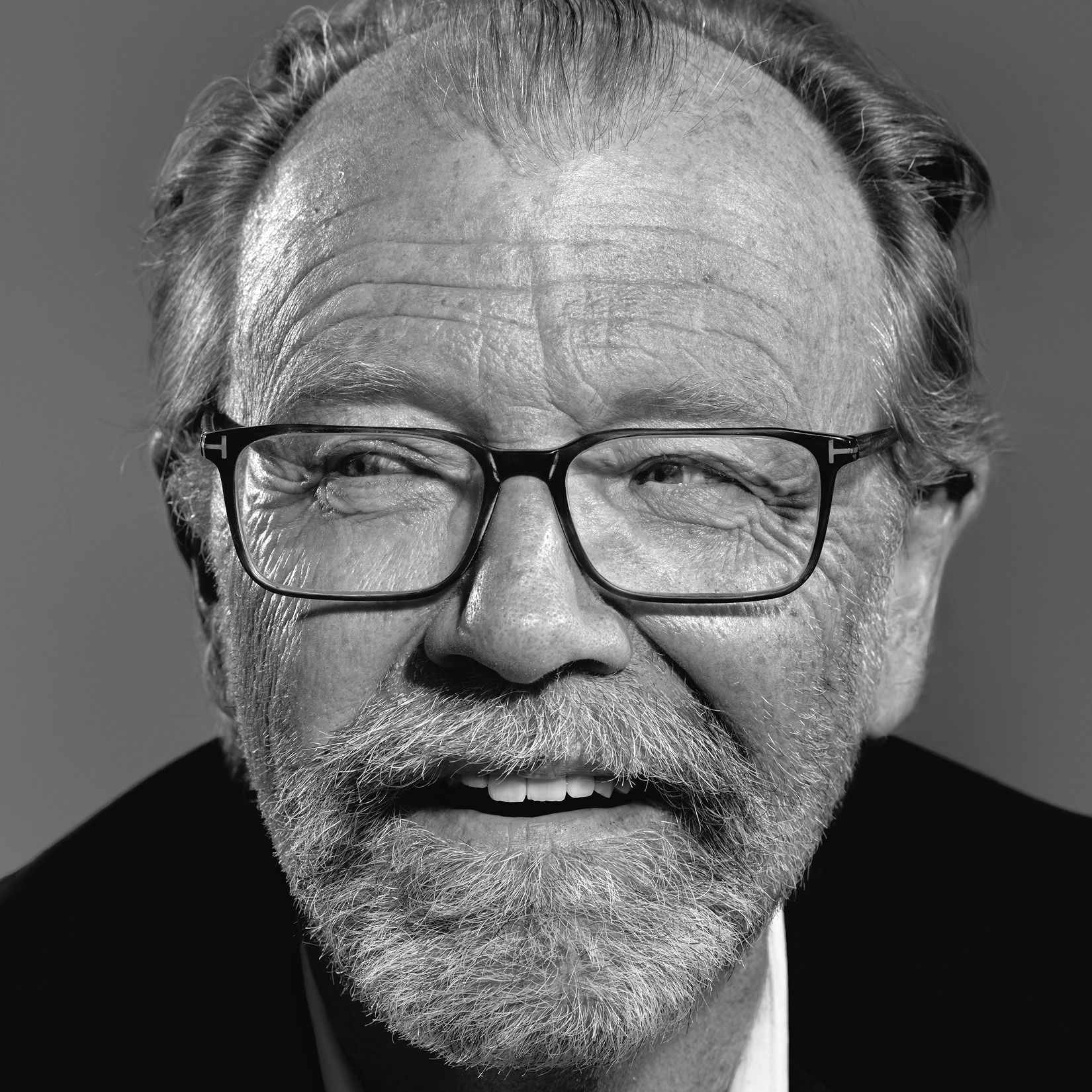
'The Interview': George Saunders Is No Saint (Despite What You May Have Heard)

🤖 AI Summary
Overview
George Saunders, celebrated author and teacher, delves into themes of kindness, the transformative power of literature, the complexities of capitalism, and the inevitability of death. He reflects on his personal journey, his writing process, and the philosophical underpinnings of his work, offering insights into art, empathy, and human connection.
Notable Quotes
- A work of art doesn't have to solve a problem. It just has to formulate it correctly.
– George Saunders, on the role of art in addressing life's complexities.
- Specificity negates judgment.
– George Saunders, on how writing fosters empathy by exploring the depths of a character.
- We're devaluing human-to-human contact, which is really the only thing that there is.
– George Saunders, on the societal shift away from personal connection.
📚 The Transformative Power of Literature
- Saunders emphasizes that literature fosters empathy and connection by allowing readers to inhabit the minds of others, even those they might dislike.
- He notes that engaging deeply with writing can elevate one's perception and thinking, describing it as a process that alters the self.
- While literature may not universally fix
people, Saunders believes it can create incremental moments of clarity and expansiveness in both writers and readers.
🧘 Meditation, Self-Awareness, and Writing
- Saunders draws parallels between meditation and writing, highlighting how both practices help separate thoughts from identity, fostering clarity and reducing anxiety.
- He credits meditation with enabling him to write more earnestly, particularly during the creation of Lincoln in the Bardo.
- Reflecting on his recent lapse in meditation, Saunders observes the return of old neuroses, underscoring the practice's importance in his life and work.
💰 Capitalism and Moral Complexity
- Saunders critiques modern capitalism for its meaner and more beautiful
evolution, noting how concepts like shareholder value
often justify harmful actions.
- He recounts a pivotal moment in Singapore when witnessing elderly women clearing rubble by hand shifted his perspective on systemic inequality.
- Despite his personal success, Saunders remains critical of capitalism's inequities, arguing that privilege can obscure awareness of systemic unfairness.
☠️ Death, Salvation, and the Afterlife
- Death is a recurring theme in Saunders' work, which he views as a profound reality check that challenges illusions of permanence, importance, and separateness.
- He describes salvation as moments of clarity when one steps out of these delusions, even briefly.
- Saunders reflects on his lifelong fascination with mortality, finding joy in the philosophical exploration of life's impermanence.
🎓 Teaching and the Role of Fiction
- As a teacher, Saunders values helping students discover their unique voices, often encouraging them to embrace sincerity over perma-edginess.
- He laments the diminished cultural role of fiction, advocating for its inclusion in education to foster critical thinking and empathy.
- Saunders rejects the notion of enforcing rigid judgments on students' potential, favoring a gentler, more exploratory approach to teaching.
AI-generated content may not be accurate or complete and should not be relied upon as a sole source of truth.
📋 Episode Description
The celebrated author on the challenges of being kind, the benefits of meditation and the reality check of death.
- Thoughts? Email us at [email protected]
- Watch our show on YouTube: youtube.com/@TheInterviewPodcast
- For transcripts and more, visit: nytimes.com/theinterview
Subscribe today at nytimes.com/podcasts or on Apple Podcasts and Spotify. You can also subscribe via your favorite podcast app here https://www.nytimes.com/activate-access/audio?source=podcatcher. For more podcasts and narrated articles, download The New York Times app at nytimes.com/app.