

🤖 AI Summary
Overview
This episode explores a major cybersecurity breach targeting the FBI, revealing sensitive personnel data. Dustin Volz, a cybersecurity reporter, delves into the scale of the attack, the motivations of the hacker group Shiny Hunters,
and the implications for FBI agents and their families. The discussion also examines the broader failures in government cybersecurity and the ongoing risks posed by the stolen data.
Notable Quotes
- These are going to be FBI agents who maybe put violent criminals behind bars, maybe prosecuted the mafia, and are now exposed to forms of retaliation.
— Dustin Volz, on the dangers posed to FBI personnel.
- The FBI is not Ticketmaster. Kicking this hornet's nest might be a huge mistake.
— Michael Barbaro, on the audacity of targeting the FBI.
- Working for the FBI can be a dangerous job. I sign up for this, but my family doesn’t.
— Dustin Volz, quoting frustrated FBI officials.
🛡️ The Scale and Sensitivity of the FBI Hack
- Hackers accessed a government jobs portal, stealing highly sensitive data on tens of thousands of current and former FBI employees.
- The stolen information includes job titles, supervisors, addresses, and even family member details, creating a map
of the FBI workforce.
- This breach exposes agents to risks like retaliation, extortion, and interference in ongoing investigations.
🎮 Who Are the Shiny Hunters?
- The Shiny Hunters, a loose collective of international hackers, are known for extorting organizations by stealing and threatening to release data.
- Unlike traditional ransomware groups, they focus on high-profile targets and demand Bitcoin payments.
- Their attack on the FBI was reportedly motivated by revenge for a public advisory that criticized their tactics, which they felt misrepresented their honor among thieves
ethos.
💻 A Failure to Learn from Past Breaches
- Comparisons were drawn to the 2014 Office of Personnel Management (OPM) hack, where Chinese hackers stole millions of government records.
- Despite promises to improve cybersecurity after OPM, the FBI's systems remained vulnerable, with unencrypted and outdated data repositories.
- The breach highlights systemic issues in government data protection, leaving personnel and their families exposed.
⏳ The Hackers’ Sudden Reversal
- Initially, the Shiny Hunters threatened to release the stolen FBI data unless their demands were met.
- Just before their deadline, they reversed course, claiming they would not publish the data.
- Speculation suggests internal disagreements within the group or fear of FBI retaliation may have influenced this decision.
🔍 The Ongoing Fallout
- Despite the hackers’ claims, the stolen data remains at risk of being sold to foreign intelligence agencies or leaked.
- The FBI has launched an aggressive investigation, arresting a key member of the Shiny Hunters in the Netherlands.
- The breach underscores the need for stronger cybersecurity measures and raises questions about why such sensitive data was stored in an accessible format for so long.
AI-generated content may not be accurate or complete and should not be relied upon as a sole source of truth.
📋 Episode Description
A little over a decade ago, after hackers broke into the U.S. government and stole the personnel records of millions of federal workers, officials vowed that it would never happen again. Something similar recently did — to the F.B.I.
Dustin Volz, who covers cybersecurity for The New York Times, tells the story of the attack, the group behind it and what could happen to the stolen data.
Guest: Dustin Volz, a cybersecurity and intelligence reporter for The New York Times.
Background reading:
- The hackers said they had stolen thousands of sensitive F.B.I. personnel records.
- The embarrassing breach at the F.B.I. has fueled fears of harm to its employees.
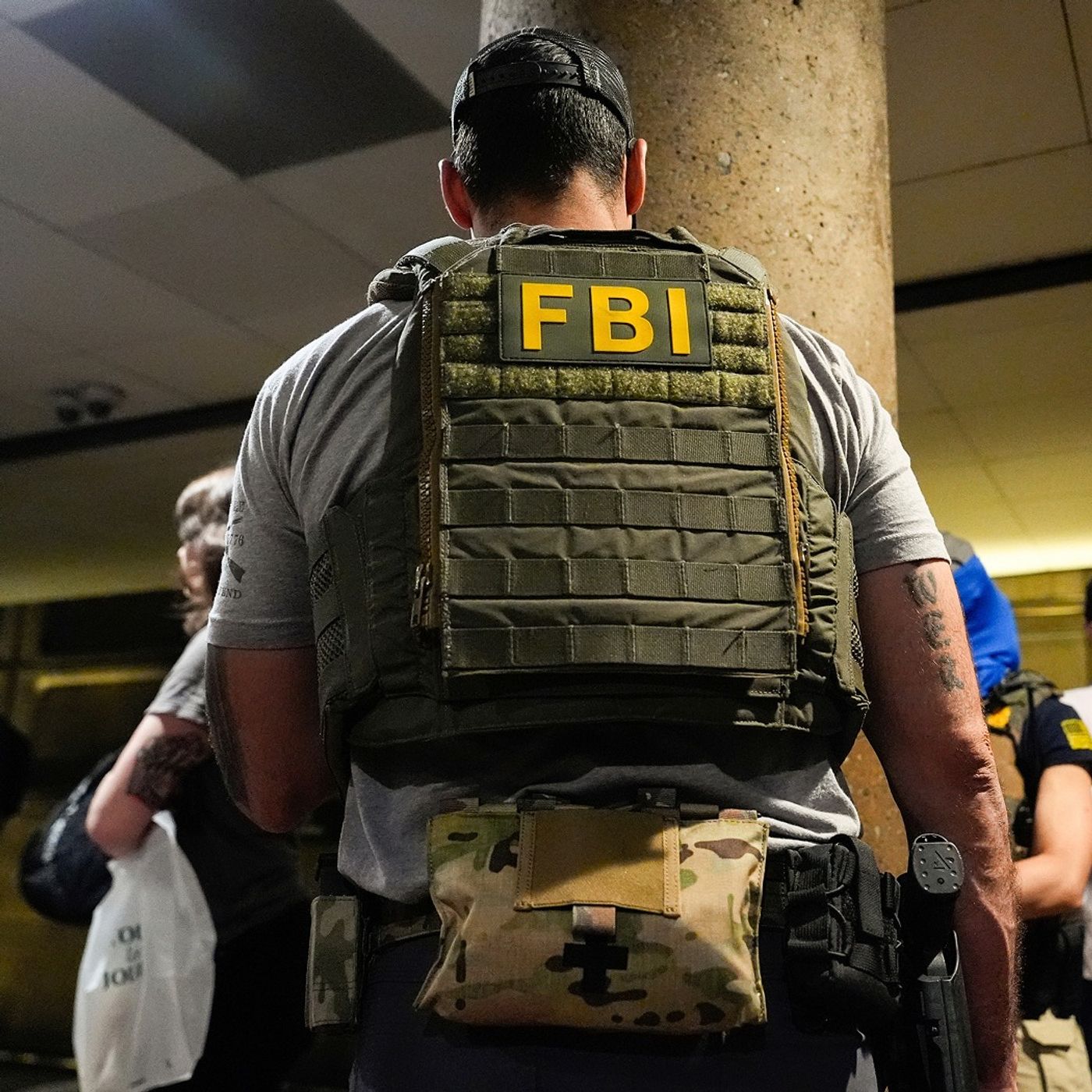
Photo: Julia Demaree Nikhinson/Associated Press
For more information on today’s episode, visit nytimes.com/thedaily. Transcripts of each episode will be made available by the next workday.
Subscribe today at nytimes.com/podcasts or on Apple Podcasts, Spotify and Amazon Music. You can also subscribe via your favorite podcast app here https://www.nytimes.com/activate-access/audio?source=podcatcher. For more podcasts and narrated articles, download The New York Times app at nytimes.com/app.
Hosted by Simplecast, an AdsWizz company. See pcm.adswizz.com for information about our collection and use of personal data for advertising.