

🤖 AI Summary
Overview
This episode delves into the concept of good-bad movies
— films that are beloved despite (or because of) their flaws. Inspired by the release of Practical Magic 2, host Rachel Abrams is joined by Maya Salam, Gilbert Cruz, and Taffy Brodesser-Akner to explore what makes these movies so enjoyable, the criteria for defining them, and their personal favorites in this unique category of cinema.
Notable Quotes
- These movies are low stakes, and it is fun to get the opportunity to do that. Why don’t you fight me on it a little bit?
— Maya Salam, on the joy of debating good-bad movies.
- We used to make movies hoping we could make something for everyone. It’s sort of like a tragedy that we don’t anymore.
— Taffy Brodesser-Akner, reflecting on the era of bonkers, crowd-pleasing films.
- You cannot look at Keanu Reeves saying, ‘I am FBI,’ and feel like that was the right take. Yet the movie is eminently rewatchable.
— Gilbert Cruz, on the charm of Point Break as a good-bad movie.
🎥 What Makes a Movie Good-Bad
?
- Maya Salam defines a good-bad movie as one that is absurd, over-the-top, and highly rewatchable, even if it lacks traditional cinematic quality.
- These films often feature corny special effects, cringy puns, or overacting that loops back into being endearing.
- Gilbert Cruz notes that nostalgia often plays a role, with many good-bad movies tied to formative experiences or specific cultural moments.
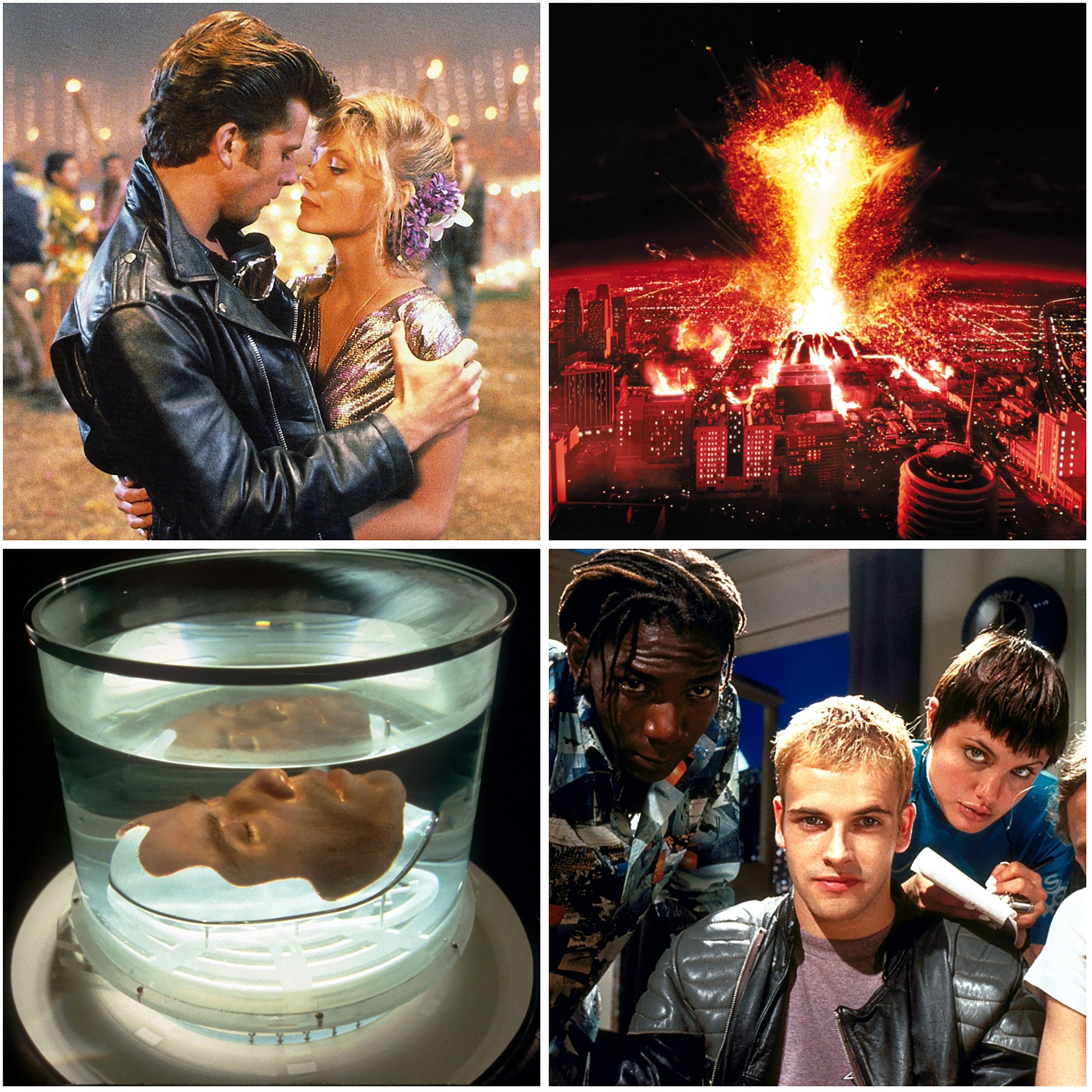
🌋 The Anatomy of a Good-Bad Movie: *Volcano*
- Maya Salam highlights Volcano (1997) as a quintessential good-bad movie.
- The plot involves Tommy Lee Jones saving Los Angeles from an erupting volcano, with unrealistic scenes like characters surviving mere feet from lava.
- The film’s attempt to incorporate a metaphor for racial tension in 1990s L.A. is described as cringy
and unnecessary.
- Despite its flaws, the movie remains beloved for its absurdity and rewatchability.
🎭 Nostalgia and the Emotional Pull of Good-Bad Movies
- The panelists discuss how good-bad movies often evoke strong emotional connections, tied to specific memories or periods in life.
- Taffy Brodesser-Akner recalls watching her pick, Face/Off, as a teenager, describing it as a time capsule
of 1990s cinema.
- Gilbert Cruz emphasizes how familiarity and repeated viewings, often during formative years, can cement a film’s status as a good-bad favorite.
🎬 Iconic Good-Bad Movie Picks
1. Grease 2 (Maya Salam):
- A campy sequel to the iconic Grease, featuring over-the-top musical numbers, cheesy dialogue, and Michelle Pfeiffer’s breakout role.
- Highlights include a raunchy bowling alley scene and corny yet infectious songs.
Hackers (Gilbert Cruz):
- A 1995 cyberpunk film about teenage hackers, celebrated for its
vibes-forward
aesthetic, rollerblading montages, and outlandish depictions of hacking. - The film’s costumes and soundtrack are described as a perfect time capsule of the mid-90s.
- A 1995 cyberpunk film about teenage hackers, celebrated for its
Face/Off (Taffy Brodesser-Akner):
- A John Woo-directed action film where John Travolta and Nicolas Cage literally swap faces.
- Praised for its operatic sequences, absurd premise, and Nicolas Cage’s unhinged performance.
- A John Woo-directed action film where John Travolta and Nicolas Cage literally swap faces.
🌀 Why Good-Bad Movies Matter
- The panelists agree that good-bad movies offer a unique form of joy, allowing for playful debates and shared nostalgia.
- These films often reflect a bygone era of cinema that aimed to entertain a broad audience with bold, sometimes ridiculous, storytelling.
- As Taffy Brodesser-Akner puts it, We used to make movies hoping we could make something for everyone.
AI-generated content may not be accurate or complete and should not be relied upon as a sole source of truth.
📋 Episode Description
When it comes to movies we love, there are the artistic masterpieces and there are the foot-stomping crowd pleasers. But there’s another particular kind of beloved movie, the one that makes our friends groan, but that we rewatch incessantly; the one that we can quote line for line, even as we giggle at the actors’ performances; the one that we’d say is great, but that we might not say is good. These are the kinds of movies that Maya Salam, a pop culture writer at The New York Times, covers in her monthly column, The Good-Bad.
This episode is a celebration of good-bad movies, timed to the release of “Practical Magic 2,” the long-awaited sequel to the 1998 cult film that Salam called “a bubbling cauldron of plot holes and tones.” Our host Rachel Abrams talks to Salam about the joys of loving a movie despite (or because of) its flaws. Then, they’re joined by The Times’s canon editor, Gilbert Cruz, and Taffy Brodesser-Akner, a Times Magazine writer, to discuss the best of good-bad cinema.
On Today’s Episode:
Maya Salam covers pop culture for The New York Times.
Gilbert Cruz is the canon editor for The New York Times.
Taffy Brodesser-Akner is a features reporter for The New York Times Magazine.
Background Reading:
For more information on today’s episode, visit nytimes.com/thedaily. Transcripts of each episode will be made available by the next workday.
Subscribe today at nytimes.com/podcasts or on Apple Podcasts and Spotify. You can also subscribe via your favorite podcast app here https://www.nytimes.com/activate-access/audio?source=podcatcher. For more podcasts and narrated articles, download The New York Times app at nytimes.com/app.
Hosted by Simplecast, an AdsWizz company. See pcm.adswizz.com for information about our collection and use of personal data for advertising.