

🤖 AI Summary
Overview
This episode delves into the hantavirus outbreak aboard a cruise ship, exploring its origins, the public health response, and the lessons learned in a post-COVID world. Apoorva Mandavilli, a global health reporter, provides insights into the virus's transmission, the challenges of containment, and the broader implications for public health communication.
Notable Quotes
- This is not the next pandemic. But I don't want to minimize the fact that we have had 11 cases so far, three deaths, and there will probably be more cases.
– Apoorva Mandavilli, on the seriousness of the outbreak.
- In an outbreak, time is everything. We got lucky this time—it’s a cruise ship, not a virus that spreads super easily. But what about next time?
– Apoorva Mandavilli, on the importance of rapid response.
- Treat us like adults and tell us that as soon as you find out, you will tell us.
– Apoorva Mandavilli, on the need for transparent public health communication.
🛳️ The Cruise Ship Outbreak
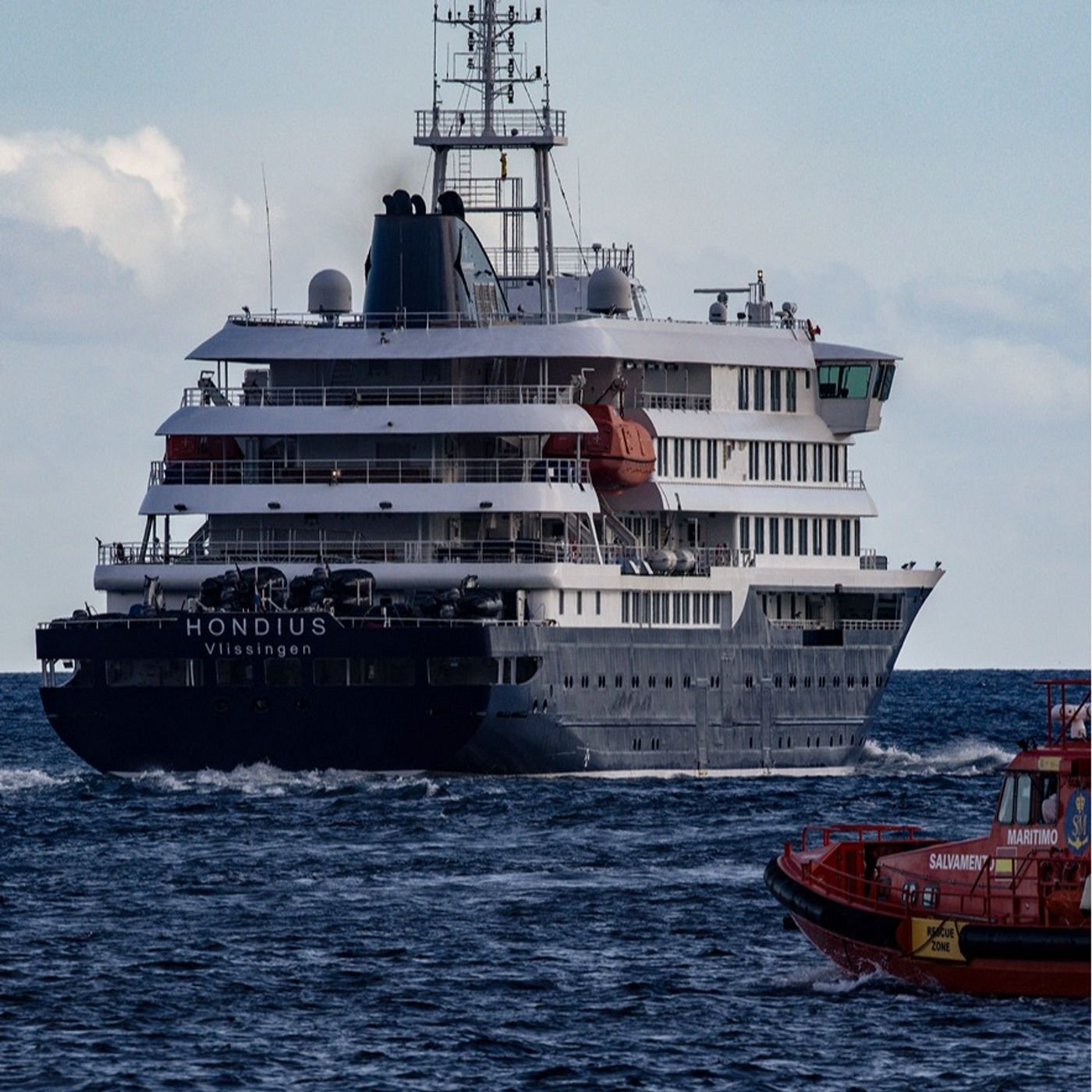
- The outbreak began on a polar expedition cruise ship departing from Ushuaia, Argentina. A Dutch couple likely contracted the Andes virus, a hantavirus species, from rodent droppings during their travels.
- The virus spread among passengers, with three deaths and several others falling ill. Symptoms included severe respiratory illness, often leading to pneumonia.
- The ship's isolated nature allowed for easier containment and contact tracing, but delayed recognition of the virus heightened risks.
🦠 Understanding the Andes Virus
- The Andes virus is unique among hantaviruses for its ability to spread between humans, though transmission requires specific conditions.
- The virus has a high fatality rate, with approximately 30% of infected individuals dying. However, its R₀ (basic reproduction number) is relatively low at 2.1, compared to COVID-19’s early R₀ of 3 and measles’ R₀ of up to 18.
- Transmission can occur through casual contact under rare circumstances, contradicting initial public health messaging that emphasized close, sustained contact.
🌍 Public Health Response and Challenges
- The World Health Organization (WHO) and European health agencies led the response, while the U.S. Centers for Disease Control and Prevention (CDC) was slow to engage.
- Contact tracing efforts extended globally, including monitoring passengers who disembarked early and tracing their subsequent contacts.
- The CDC’s delayed involvement highlighted gaps in coordination and communication, raising concerns about preparedness for future outbreaks.
📢 Communication Gaps in Public Health
- Public health officials initially downplayed the virus's transmissibility to avoid panic, but this approach lacked nuance and transparency.
- Experts like Apoorva Mandavilli emphasized the need for clear, honest communication about what is known and unknown, urging officials to treat the public as informed stakeholders.
- The episode critiques the tendency of health authorities to prioritize reassurance over accuracy, a lesson unlearned from the COVID-19 pandemic.
📚 Lessons for the Future
- The outbreak underscores the importance of rapid response, transparent communication, and global collaboration in managing infectious diseases.
- While technical aspects like contact tracing and understanding transmissibility have improved, communication strategies remain a critical area for growth.
- The episode serves as a case study in balancing public reassurance with the complexities of emerging health threats.
AI-generated content may not be accurate or complete and should not be relied upon as a sole source of truth.
📋 Episode Description
Inside a hospital in Nebraska, 16 Americans who may have been exposed to the hantavirus have begun an unusually long quarantine. In some cases, it will last up to 42 days.
Apoorva Mandavilli, who covers global health for The New York Times, explains what is known about the deadly outbreak and how the public heath system responded.
Guest: Apoorva Mandavilli, a science and global health reporter at The New York Times.
Background reading:
- American passengers exposed to the hantavirus began their quarantine in the United States on Monday.
- Here’s what to know about the hantavirus outbreak on the cruise ship.
Photo: Chris McGrath/Getty Images
For more information on today’s episode, visit nytimes.com/thedaily. Transcripts of each episode will be made available by the next workday.
Subscribe today at nytimes.com/podcasts or on Apple Podcasts and Spotify. You can also subscribe via your favorite podcast app here https://www.nytimes.com/activate-access/audio?source=podcatcher. For more podcasts and narrated articles, download The New York Times app at nytimes.com/app.
Hosted by Simplecast, an AdsWizz company. See pcm.adswizz.com for information about our collection and use of personal data for advertising.