
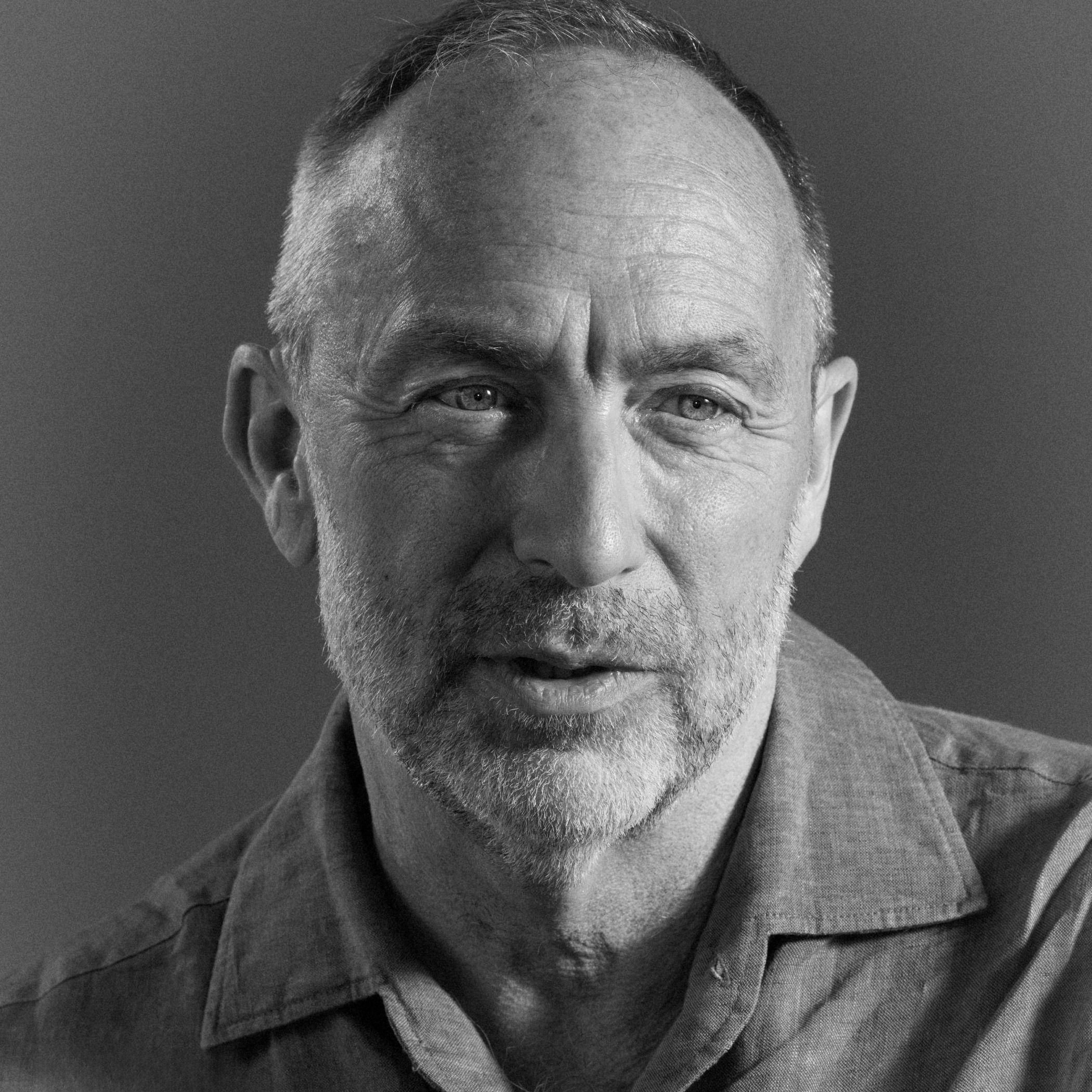
'The Interview': Jimmy Wales Thinks the World Should Be More Like Wikipedia

🤖 AI Summary
Overview
This episode explores the challenges and principles of Wikipedia, as discussed by its co-founder, Jimmy Wales. Topics include the platform's approach to trust, neutrality, and transparency, its resilience against external pressures, and the broader implications of misinformation, AI, and partisanship on public trust.
Notable Quotes
- Most people are basically nice. Most people are trustworthy.
– Jimmy Wales, on the inherent goodwill of Wikipedia's contributors.
- The idea that something being biased is a proper and fit subject for a congressional investigation is frankly absurd.
– Jimmy Wales, addressing political scrutiny of Wikipedia.
- We’ll be here in 100 years, and he won’t.
– Jimmy Wales, on Elon Musk’s criticisms of Wikipedia.
📜 The Foundations of Trust on Wikipedia
- Jimmy Wales emphasizes that Wikipedia's trustworthiness stems from transparency, neutrality, and reliance on high-quality sources like peer-reviewed research and reputable publications.
- The platform's openness about disputes (e.g., neutrality of this page has been disputed
notices) fosters user trust.
- Wales highlights the editorial process of distinguishing facts from opinions, even on contentious topics like abortion, by presenting multiple perspectives.
⚖️ Navigating Bias and Political Attacks
- Wikipedia faces criticism from figures like Elon Musk and political entities, with claims of ideological bias.
- Wales defends Wikipedia’s reliance on mainstream media, acknowledging that while sources may have political leanings, their factual reporting remains valuable.
- He critiques efforts to politicize Wikipedia, such as congressional inquiries and calls to dox editors, as misunderstandings of the platform’s decentralized structure.
🌍 Global Challenges and Authoritarian Pressures
- Wikipedia editors face threats, including doxxing and government pressure, particularly in authoritarian regimes like Russia and India.
- Wales underscores the resilience of Wikipedia’s community and its intellectual independence, despite external attempts at censorship.
🤖 The Role of AI and the Future of Knowledge
- Wales discusses the potential and pitfalls of AI, noting that while current AI models are unreliable for creating Wikipedia entries, they could assist editors in verifying sources or identifying gaps.
- He warns against the proliferation of low-quality AI-generated content, which undermines trust in reliable information sources.
💡 Wikipedia’s Non-Profit Model and Enduring Values
- Wales attributes Wikipedia’s success and independence to its non-profit status, which prioritizes community-driven goals over profit motives.
- He contrasts this with organizations like OpenAI, which shifted from open-source ideals to profit-driven models.
- Despite attacks, Wales remains optimistic about Wikipedia’s long-term relevance, emphasizing its commitment to neutrality and trustworthiness.
AI-generated content may not be accurate or complete and should not be relied upon as a sole source of truth.
📋 Episode Description
Attacks on the site are piling up. Its co-founder says trust the process.
- Thoughts? Email us at [email protected]
- Watch our show on YouTube: youtube.com/@TheInterviewPodcast
- For transcripts and more, visit: nytimes.com/theinterview
Subscribe today at nytimes.com/podcasts or on Apple Podcasts and Spotify. You can also subscribe via your favorite podcast app here https://www.nytimes.com/activate-access/audio?source=podcatcher. For more podcasts and narrated articles, download The New York Times app at nytimes.com/app.