

🤖 AI Summary
Overview
This episode explores the global oil market's oversupply and its economic implications, the potential consequences of a no-immigration economy, the removal of climate risk data from Zillow home listings, and how food companies balance innovation with consumer preferences. It also highlights a unique entrepreneurial journey in the photo booth industry.
Notable Quotes
- Less immigration means just a smaller overall economy. We're not just choosing to be smaller today, but we are choosing to grow more slowly for years to come.
- Wendy Edelberg, on the long-term economic impact of restrictive immigration policies.
- It's like London buses. They all come along at the same time.
- Matt Smith, on the simultaneous surge in global oil production.
- By introducing a dye-free version, you're directly calling attention to the fact that your existing products have unhealthy components in them.
- Blake Droesch, on the risks of launching healthier food alternatives.
🛢️ Global Oil Oversupply and Its Impacts
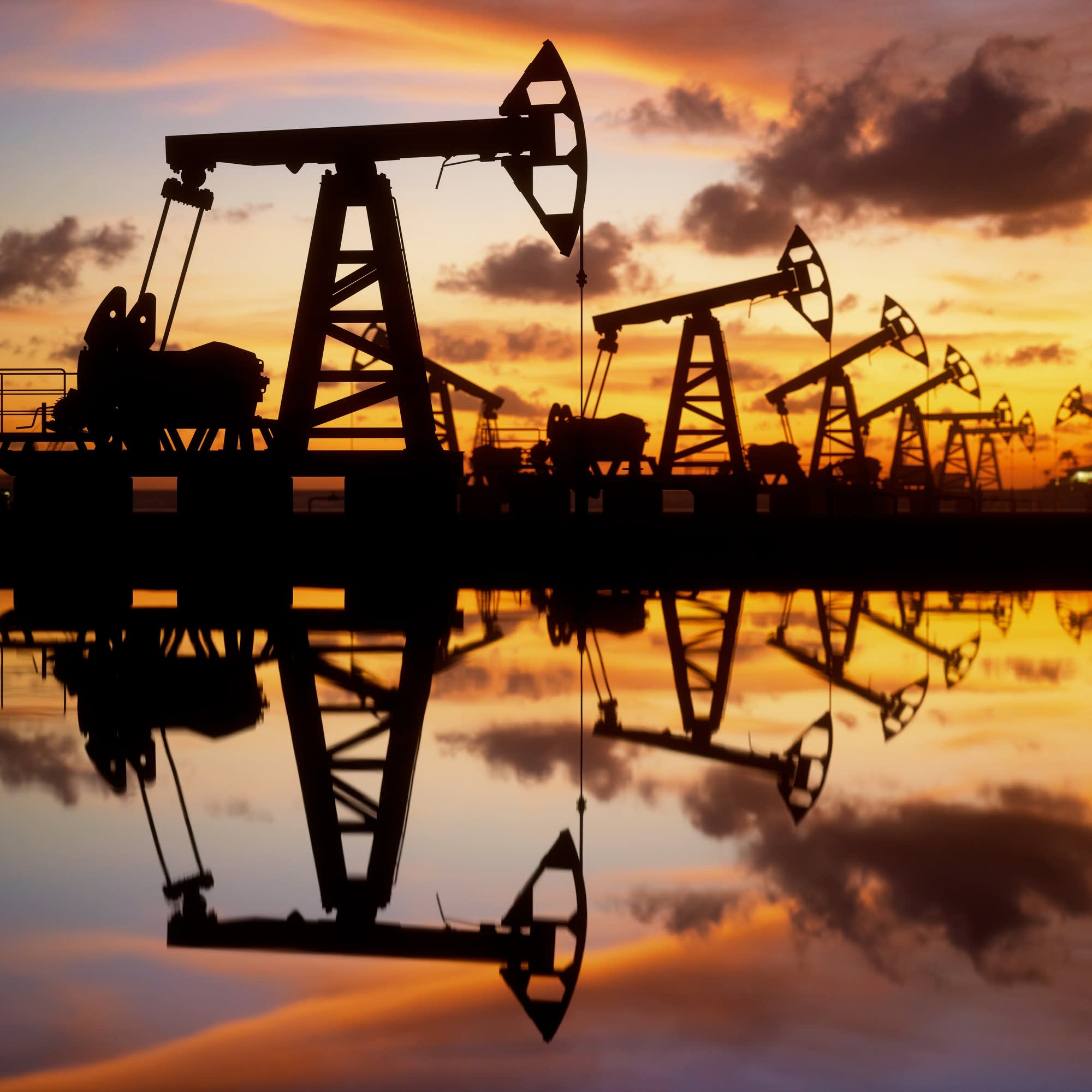
- OPEC+ decided to maintain steady oil production despite a global oversupply, driven by record outputs from the U.S., Brazil, Canada, and Norway.
- U.S. oil producers have become more efficient, remaining profitable even at lower prices (~$60 per barrel).
- Demand for oil is dampened by a shaky global economy, particularly in Europe and Asia, and the growing adoption of electric vehicles (EVs).
- Lower crude prices benefit consumers with reduced gas prices, averaging under $3 per gallon in the U.S.
🛠️ The Economic Consequences of a No-Immigration Policy
- Wendy Edelberg explains that with net immigration near zero, job growth metrics are shifting. A monthly increase of 40,000 jobs may now indicate a healthy labor market.
- Restrictive immigration policies shrink the economy, reduce the tax base, and hinder innovation and productivity growth.
- Immigrants contribute to both labor supply and demand, creating a ripple effect on economic activity.
- The construction sector is particularly strained by labor shortages, but overall, labor supply and demand have adjusted in tandem.
🏠 Zillow and Climate Risk Data
- Zillow removed climate risk information from home listings after objections from California realtors, despite evidence that such data influences buyer behavior.
- Studies show that buyers who see flood risk data are less likely to tour or purchase high-risk homes.
- Critics argue that removing this data leaves buyers uninformed about critical risks, potentially leading to poor financial decisions.
🍴 Food Companies and Healthier Alternatives
- PepsiCo introduced dye-free versions of Doritos and Cheetos, branding them as naked
products without artificial dyes and flavors.
- Food companies often hedge their bets by offering healthier alternatives alongside original products to appeal to a broader audience.
- However, this strategy risks highlighting the unhealthy aspects of existing products, potentially alienating loyal customers.
📸 Reviving Analog Photo Booths
- Brianna Conley-Saxon turned her passion for photography into a business by restoring analog photo booths and opening a photo booth museum in Manhattan.
- Her journey began with a $200 thrift store find and years of learning the intricacies of analog technology.
- The museum showcases booths from various eras and has become a community hub, blending nostalgia with modern entrepreneurial spirit.
AI-generated content may not be accurate or complete and should not be relied upon as a sole source of truth.
📋 Episode Description
The Organization of Petroleum Exporting Countries will hold oil production steady next quarter as global supply remains unusually high, driven by record output from the U.S., Brazil, Canada, and Norway. At the same time, demand is low due to a tipsy global economy and rising EV adoption. Also in this episode: What a no-immigration economy may look like, why Zillow removed climate risk information from home listings, and how food companies introduce healthy versions of staple offerings.
Every story has an economic angle. Want some in your inbox? Subscribe to our daily or weekly newsletter.
Marketplace is more than a radio show. Check out our original reporting and financial literacy content at marketplace.org — and consider making an investment in our future.