
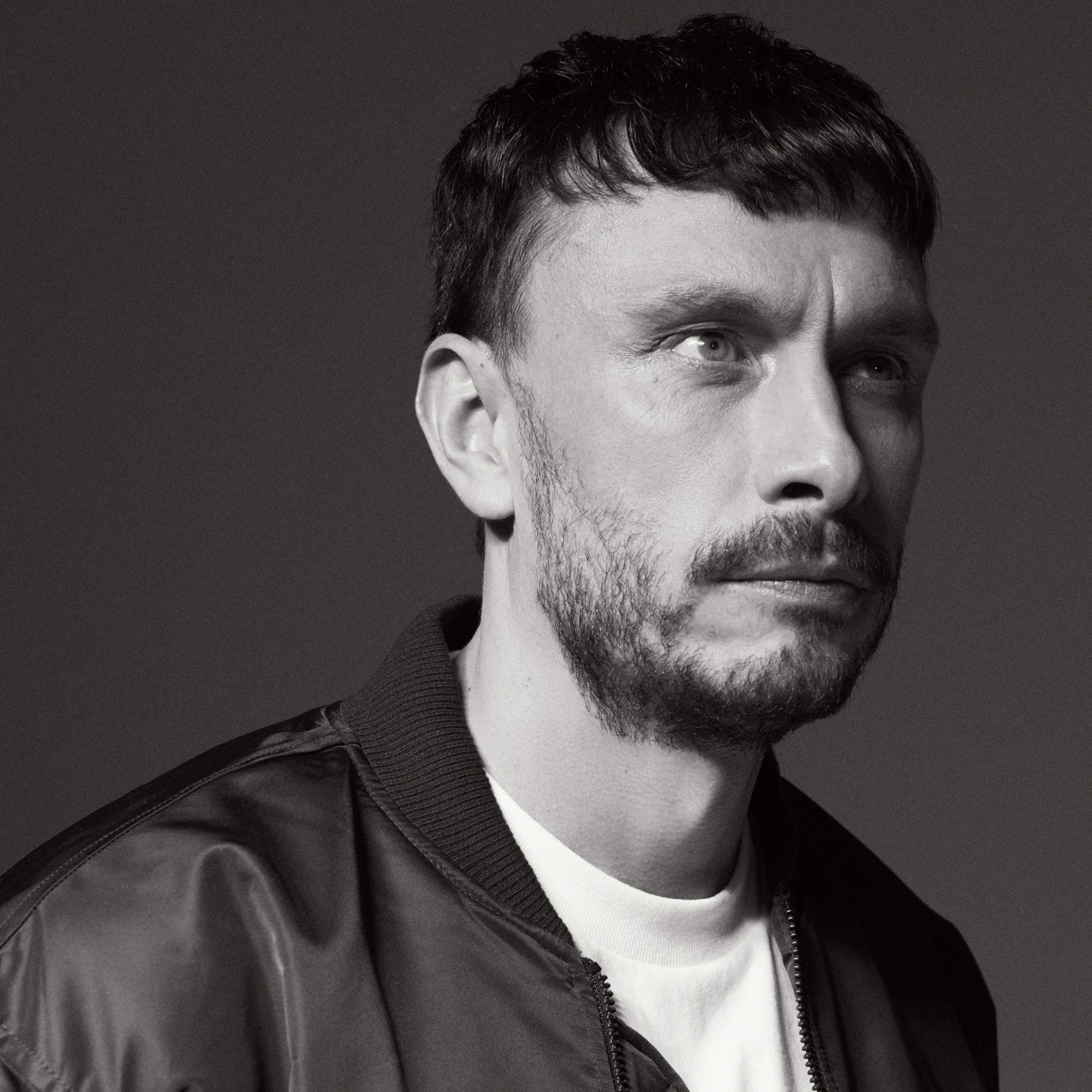
'The Interview': ‘Baby Reindeer’ Exploded Richard Gadd's Life. It Also Set Him Free.

🤖 AI Summary
Overview
Richard Gadd, the writer and actor behind the critically acclaimed Netflix show Baby Reindeer, discusses the impact of his personal trauma on his art, his exploration of masculinity in his new HBO series Half Man, and the complexities of fame, vulnerability, and self-acceptance. The conversation delves into how Gadd processes his experiences through storytelling and the broader cultural understanding of trauma and masculinity.
Notable Quotes
- The idea of idolatry and being loved will never answer the question of whether you love yourself. It really does come from within.
– Richard Gadd, on the limitations of fame.
- Toxic masculinity, like drugs, is intoxicating at first. It’s the normalization of harmful behaviors that leads to repression and damage.
– Richard Gadd, on the roots of male violence and repression.
- "I feel like since *Baby Reindeer, it’s been almost akin to walking around naked. But putting it all out there has been freeing—there’s nothing left to hide."* – Richard Gadd, on the vulnerability of sharing his trauma publicly.
🎭 The Intersection of Trauma and Art
- Gadd reflects on how writing Baby Reindeer, based on his experiences with sexual assault and stalking, was a cathartic process. He describes art as a playground
to explore and externalize internal struggles.
- He emphasizes the importance of vulnerability, noting that sharing his darkest experiences has been liberating, even as it leaves him feeling exposed in public.
- Gadd advises others dealing with trauma to write it down, as keeping it internalized can lead to unbearable emotional weight.
🧠 Masculinity and Its Complexities
- In Half Man, Gadd examines the societal pressures and repressions that shape broken masculinity,
tracing them back to cultural norms of past decades.
- He rejects the notion of a singular definition of manhood, instead using his work to pose questions rather than provide answers.
- Gadd explores male camaraderie and the intoxicating
nature of toxic masculinity, arguing that male violence often stems from unresolved pain and past trauma.
📺 Fame, Success, and Emotional Costs
- Gadd discusses the dissonance between achieving mainstream success with Baby Reindeer and the emotional toll of fame. While success brought opportunities, it didn’t resolve his internal struggles.
- He warns against chasing fame as a solution to self-worth issues, emphasizing that true peace comes from within.
- The public’s knowledge of his trauma has been both destabilizing and healing, as it forces him to confront lingering feelings of shame and fear.
💪 Body Image and Transformation
- For his role in Half Man, Gadd underwent a dramatic physical transformation, gaining 50 pounds of muscle to embody an alpha male
character.
- He candidly discusses his struggles with body dysmorphia, noting how incremental physical changes can distort self-perception.
- Gadd connects this experience to broader societal pressures on men to conform to ideals of physical dominance and strength.
🌍 The Cultural Lens on Trauma
- Gadd reflects on the growing cultural discourse around trauma, agreeing with the idea that everyone carries some form of it. He believes trauma shapes behavior and identity, even in subtle ways.
- He shares how his own experiences of abuse forced him to re-examine his identity, including his sexual orientation, though he resists oversimplified narratives about causation.
- Gadd critiques the trauma plot
in storytelling, advocating for more nuanced and inconsistent portrayals of human experiences.
AI-generated content may not be accurate or complete and should not be relied upon as a sole source of truth.
📋 Episode Description
The writer and actor found unexpected success by sharing his trauma. Now he’s exploring male pain in a new way.
- Thoughts? Email us at [email protected]
- Watch our show on YouTube: youtube.com/@TheInterviewPodcast
- For transcripts and more, visit: nytimes.com/theinterview
Subscribe today at nytimes.com/podcasts or on Apple Podcasts and Spotify. You can also subscribe via your favorite podcast app here https://www.nytimes.com/activate-access/audio?source=podcatcher. For more podcasts and narrated articles, download The New York Times app at nytimes.com/app.
Hosted by Simplecast, an AdsWizz company. See pcm.adswizz.com for information about our collection and use of personal data for advertising.