
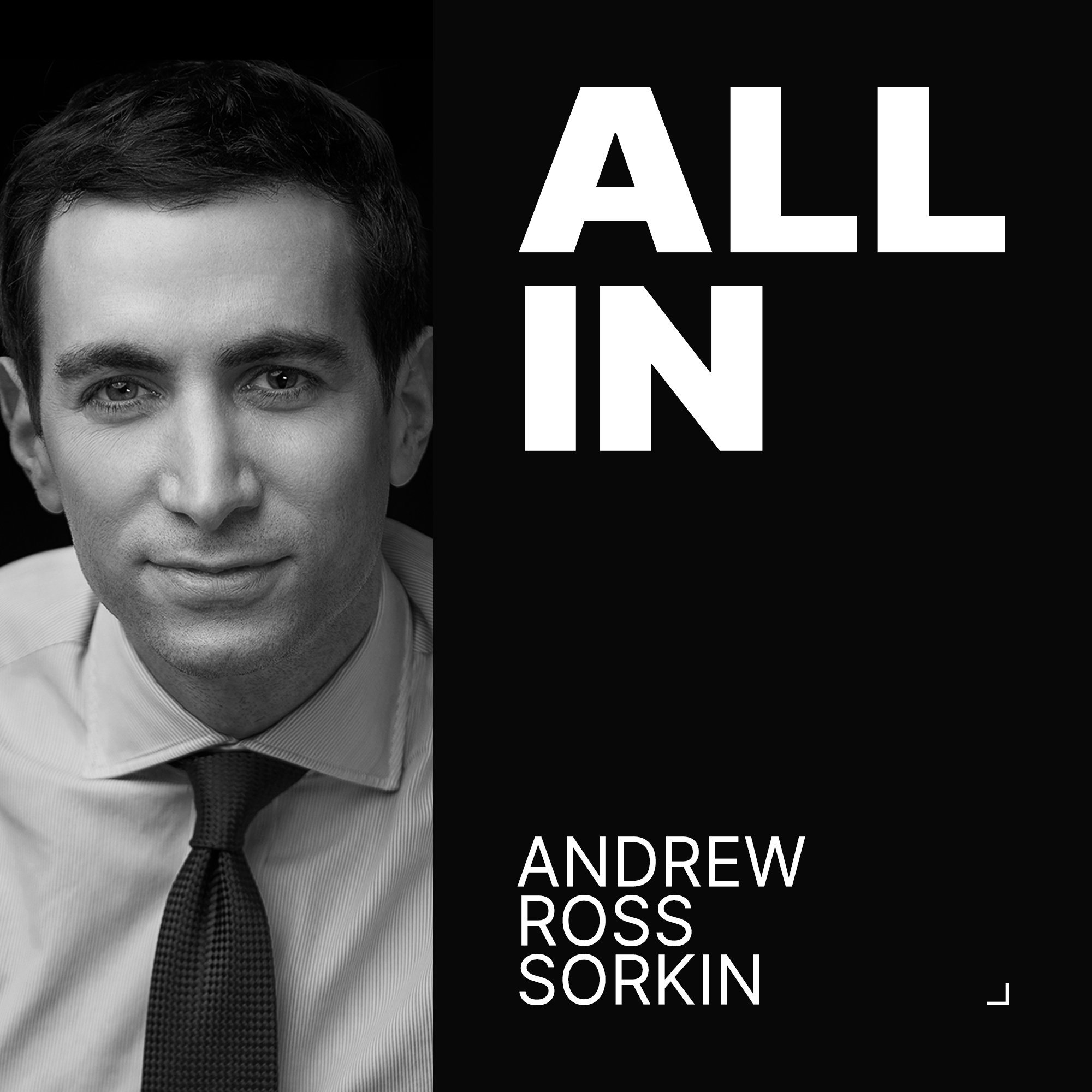
1929 vs 2025: Andrew Ross Sorkin on Crashes, Bubbles & Lessons Learned

🤖 AI Summary
Overview
This episode dives into Andrew Ross Sorkin's new book, 1929: Inside the Greatest Crash in Wall Street History—and How It Shattered a Nation, exploring the causes and consequences of the 1929 stock market crash, its parallels to today's economy, and lessons for navigating speculative bubbles, regulation, and societal shifts.
Notable Quotes
- Speculation is the twin of innovation. There is no innovation without some speculation.
— Andrew Ross Sorkin, on the necessity of risk-taking in progress.
- Would I be okay with a less better car, but having a national transportation infrastructure that we control? I would say, yeah.
— Chamath Palihapitiya, on the trade-offs of economic resilience versus technological superiority.
- The irony is, when the government provides a service, it completely distorts the market, and you can never get out of that free fall.
— David Friedberg, on the unintended consequences of government spending.
📖 The Setup: What Led to the 1929 Crash
- Andrew Ross Sorkin explains how the introduction of consumer credit in 1919 by General Motors and Sears Roebuck revolutionized borrowing, eventually extending to stock market speculation.
- Brokerage houses proliferated, offering extreme leverage (10:1), with no regulations or risk underwriting.
- Technological advancements like radio fueled speculative mania, akin to today's AI boom.
- A social contagion emerged, driven by the democratization of finance and the aspiration for wealth among ordinary Americans.
🧑🤝🧑 The Characters: Major Players in 1929
- Charlie Mitchell, head of National City Bank, was a key figure in fueling speculation, earning the nickname Sunshine Charlie.
- Carter Glass, a staunch critic of Mitchell, pushed for regulation, leading to the Glass-Steagall Act, which separated commercial and investment banking.
- Sorkin reveals how lobbying and corporate rivalries shaped pivotal legislation like the FDIC and Glass-Steagall, often for business interests rather than consumer protection.
📉 Parallels Between 1929 and 2025
- The panel discusses eerie similarities between the speculative bubbles of 1929 and today's AI-driven economy.
- Andrew Ross Sorkin notes that while regulations exist now, human behavior—fueled by greed and the pursuit of more
—remains unchanged.
- Concerns about leverage in private credit and real estate echo past financial crises, though the scale differs from 1929's extreme margins.
🤖 AI's Impact on Productivity and Employment
- Chamath Palihapitiya highlights the psychological resistance to AI adoption, contrasting it with previous tech revolutions.
- AI's promise of productivity gains could lead to significant unemployment, but also opportunities for higher-quality work.
- David Friedberg warns of the novelty phase of AI, where speed is prioritized over quality, delaying meaningful advancements.
💰 The Case for a Modern New Deal
- The group debates whether America needs a new social compact to address economic inequality and spending inefficiencies.
- David Friedberg argues that government overspending distorts markets, inflating costs in education, housing, and healthcare.
- Chamath Palihapitiya advocates for strategic investments in resource independence to preserve national security and economic resilience, even at a premium cost.
AI-generated content may not be accurate or complete and should not be relied upon as a sole source of truth.
📋 Episode Description
(0:00) Chamath and Friedberg welcome Andrew Ross Sorkin to discuss his new book, "1929: Inside the Greatest Crash in Wall Street History--and How It Shattered a Nation"
(0:38) Why he chose this time period
(3:22) The setup: what led to the 1929 crash
(19:24) The characters: major players in the 1929 crash; what kind of bubble are we experiencing in 2025?
(26:21) Role of journalist vs market participant; characters of the 2025 market
(30:10) AI's potential 1929-like impact on unemployment
(35:16) Why socialism is flaring up now more than it did post-1929
(40:34) Does the US need a 2025 "New Deal" on cutting spending, tariff balancing act
(46:51) Film rights strategy
Buy Sorkin's new book:
https://www.amazon.com/1929-Inside-Greatest-History-Shattered/dp/0593296966
Follow Andrew Ross Sorkin:
Follow the besties:
Follow on X:
Follow on Instagram:
https://www.instagram.com/theallinpod
Follow on TikTok:
https://www.tiktok.com/@theallinpod
Follow on LinkedIn:
https://www.linkedin.com/company/allinpod
Intro Music Credit:
Intro Video Credit:
Referenced in the show:
https://www.amazon.com/1929-Inside-Greatest-History-Shattered/dp/0593296966
https://archive.org/details/sim_ladies-home-journal_1929-08_46_8/page/n9/mode/2up