

🤖 AI Summary
Overview
This episode delves into the expiration of enhanced health care subsidies under the Affordable Care Act, exploring the political gridlock in Congress, the financial and emotional toll on Americans, and the broader implications for health care affordability and the political landscape.
Notable Quotes
- It's a shame that it's a luxury to have air in my lungs.
– Speaker 4, on the financial burden of managing a chronic illness without sufficient subsidies.
- Do we just get divorced? It's something we're considering.
– Speaker 6, on the drastic measures families are contemplating to qualify for health care subsidies.
- "I just feel like I've done everything right my whole life. And I just feel like I've been sold a bag of *."* – **Speaker 4, expressing frustration over the system's failures.
🩺 The Expiration of Health Care Subsidies
- Enhanced subsidies introduced during the pandemic made health insurance more affordable for millions, particularly low-income individuals and middle-income families.
- These subsidies expanded coverage to 24 million people, doubling enrollment in the Affordable Care Act marketplace.
- With Congress failing to extend the subsidies, many Americans face steep premium increases, with some seeing costs rise by $1,000–$2,000 per month.
- The expiration disproportionately impacts low-income individuals, middle-income families, and entrepreneurs, forcing them to make difficult financial and lifestyle decisions.
💰 Financial and Emotional Toll on Americans
- Families are grappling with whether to pay for rising insurance costs, downgrade to less comprehensive plans, or go uninsured.
- Some are considering drastic measures, such as reducing income to qualify for subsidies or even divorcing to meet eligibility thresholds.
- The financial strain is leading to sacrifices in daily life, from walking miles to work to cutting back on holiday spending.
- Chronic illness patients face impossible choices, with life-saving treatments becoming unaffordable.
🏛️ Political Gridlock and Fallout
- Democrats made health care subsidies a central issue, but their efforts to extend them failed amid Republican opposition and internal party divisions.
- Moderate Republicans, concerned about the political fallout, joined Democrats in a rare discharge petition to force a vote on extending subsidies.
- The political stakes are high, especially in Republican-led states like Texas and Florida, where many residents benefited from the subsidies.
📉 Broader Implications for Health Care Affordability
- The rollback of subsidies highlights the ongoing debate over how much financial assistance the government should provide for health care.
- Rising health care costs, driven by expensive treatments and new technologies, exacerbate the affordability crisis.
- The situation underscores systemic issues in the U.S. health care system, where costs continue to outpace wage growth.
🗳️ Impact on the Political Landscape
- Health care affordability could become a metaphor for broader economic frustrations, influencing voter sentiment in the upcoming midterms.
- While health care is not currently a top voter priority, stories of financial hardship may amplify its importance in political discourse.
- The issue could sway voters in Republican strongholds, where many residents are directly affected by the subsidy expiration.
AI-generated content may not be accurate or complete and should not be relied upon as a sole source of truth.
📋 Episode Description
This week, despite a last-ditch effort by some House Republicans to strike a deal on health care, Congress remains deadlocked on whether to extend support for millions of Americans who get their health care through the Affordable Care Act.
Margot Sanger-Katz, who covers health care policy, explains who will be most affected by the decision.
Then, we hear directly from some of the Americans who will now face a decision: whether to keep paying for rising insurance costs or to risk going without it.
Guest: Margot Sanger-Katz, a reporter for The New York Times who covers health care policy and government spending.
Background reading:
- Four Republicans joined Democrats’ bid to force a vote on health subsidies.
- Obamacare users will be asked to pay more for plans that cover less.
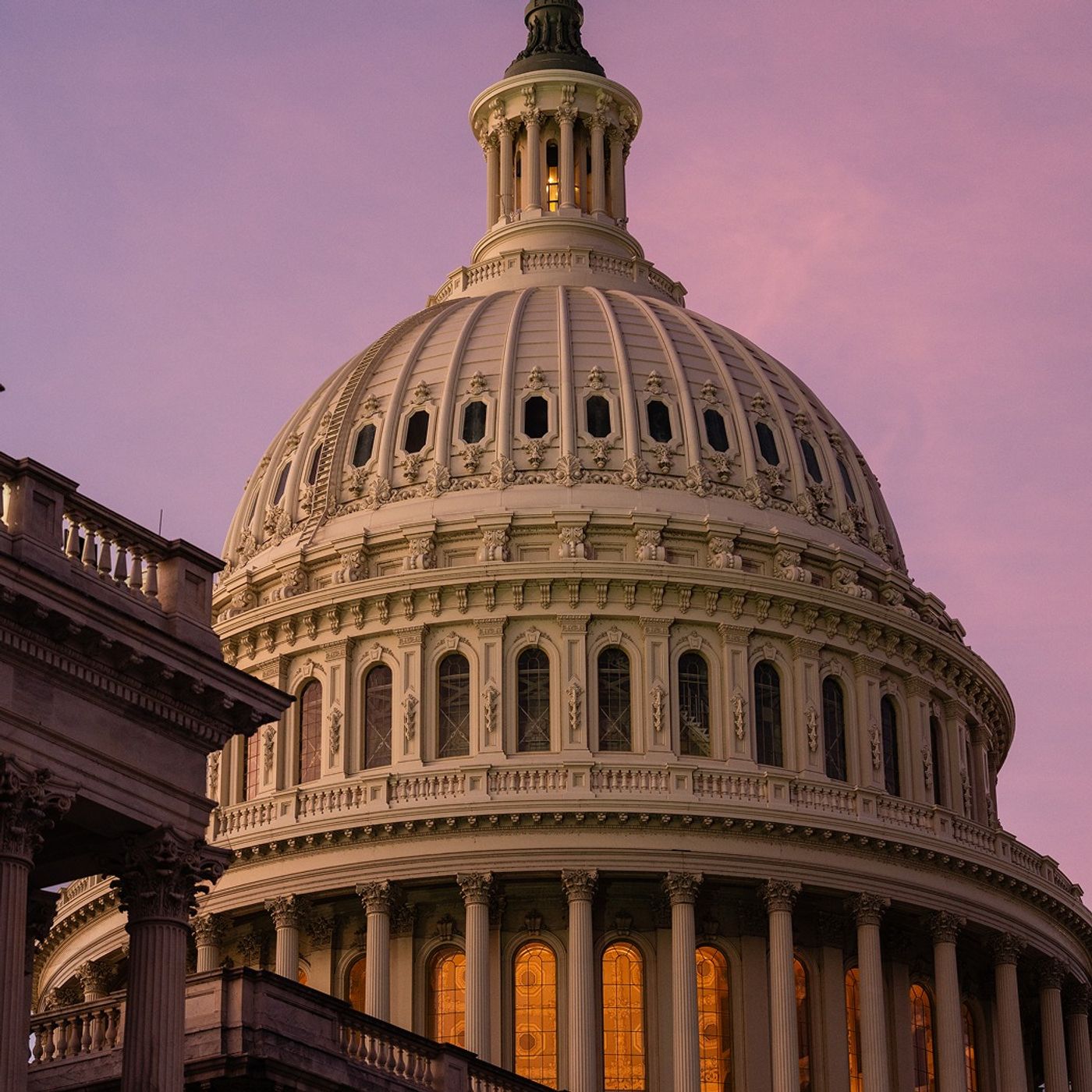
Photo: Eric Lee for The New York Times
For more information on today’s episode, visit nytimes.com/thedaily. Transcripts of each episode will be made available by the next workday.
Subscribe today at nytimes.com/podcasts or on Apple Podcasts and Spotify. You can also subscribe via your favorite podcast app here https://www.nytimes.com/activate-access/audio?source=podcatcher. For more podcasts and narrated articles, download The New York Times app at nytimes.com/app.