

🤖 AI Summary
Overview
This episode explores the Federal Reserve's potential easing of mortgage regulations, which could encourage banks to re-enter the home loan market. It also examines the challenges facing vaccine research due to shifting federal policies, the state of the homebuilding industry in the U.S., the energy demands of AI data centers, and the surprising resurgence of physical media like DVDs and VHS tapes.
Notable Quotes
- Vaccine companies need to have one set of rules to play by. If they're constantly changing, the companies will decide that doing business here just doesn't make financial sense.
– Michael Osterholm, on the challenges facing vaccine R&D.
- The desire for physical media has really brought people back in a big way.
– Robbie McCluskey, on the revival of video rental stores.
- All those people have to sleep somewhere at night, we say, and so they need housing of some form.
– Scott Norman, on Texas' booming housing market.
🏠 Mortgage Regulation Changes
- After the 2008 crash, banks reduced their share of mortgage lending from 70% to 30%, with non-banks like fintech companies filling the gap (Sabri Benishor).
- Regulations requiring banks to hold large capital reserves for loans discouraged their participation in the mortgage market.
- The Federal Reserve is considering reducing these capital requirements, potentially encouraging banks to issue more home loans (Jim Parrott, Urban Institute).
- Experts argue that more competition between banks and non-banks could benefit consumers (Michael Frattantoni, Mortgage Bankers Association).
💉 Vaccine R&D Challenges
- Federal funding cuts and shifting regulatory policies under Health and Human Services have led to reduced investment in vaccine research (Samantha Fields).
- Companies like Moderna are scaling back late-stage vaccine trials due to financial uncertainty.
- Experts warn that inconsistent rules and reduced government support could set back vaccine innovation for decades (Jason Schwartz, Yale).
- Smaller biotech firms are reprioritizing projects to mitigate risks, focusing on less costly vaccine developments.
🔋 AI Energy Demands and Solutions
- The AI boom has driven massive investments in data centers, but many facilities face power shortages (Amy Scott).
- Companies like Redwood Materials are repurposing EV batteries for off-grid energy storage, enabling faster deployment of power solutions for data centers (Megan McCarty Carino).
- AI companies are accelerating demand for renewable energy storage, with Redwood Materials scaling up production to meet global needs.
🏡 Regional Housing Market Insights
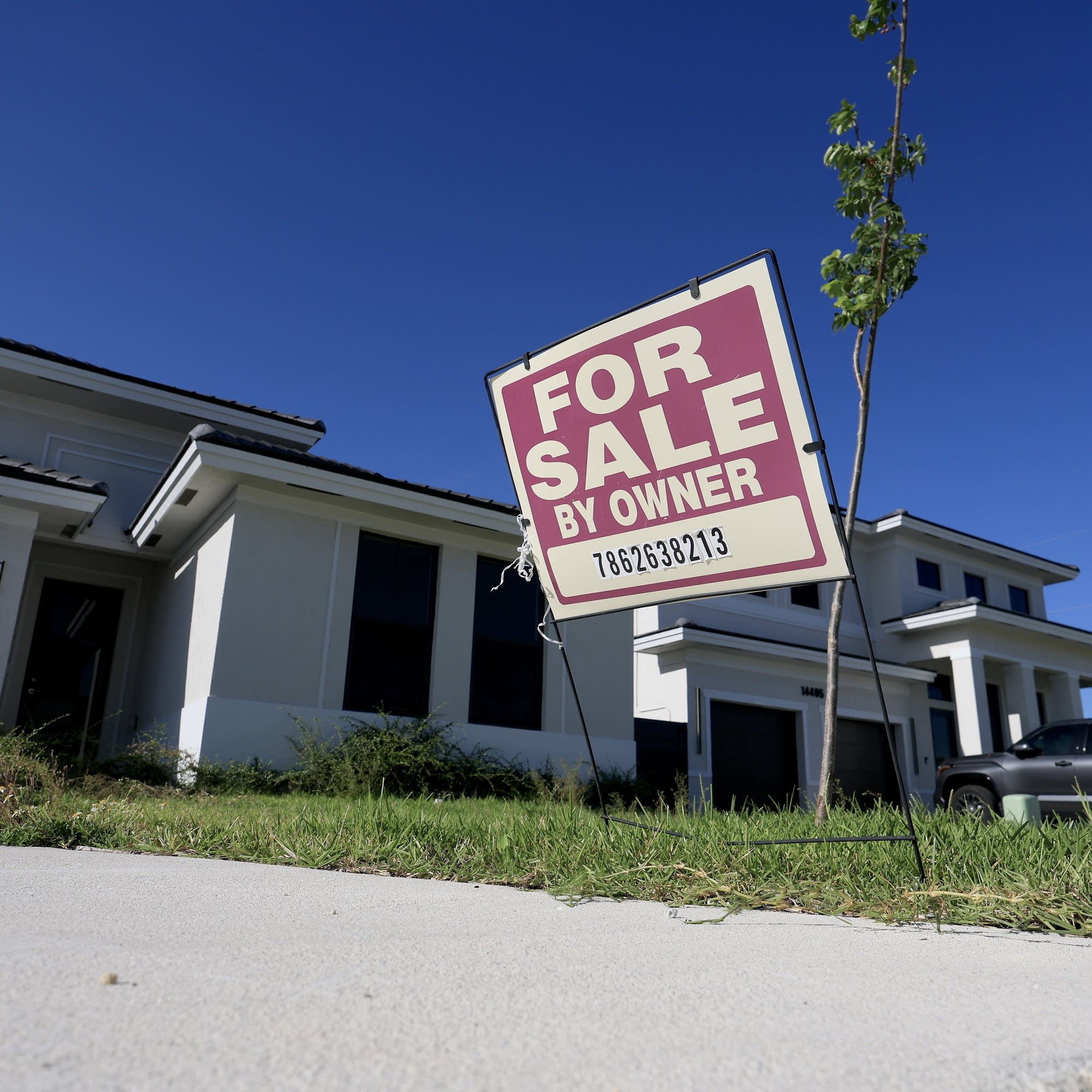
- Texas leads in housing starts due to strong population and job growth, despite challenges like tariffs and regulatory costs (Scott Norman, Texas Association of Builders).
- Builders in Atlanta and Michigan face delays and higher costs due to zoning and construction regulations, but some regions are exploring reforms to streamline processes (Elizabeth Troval).
- The National Association of Homebuilders' confidence index remains below positive territory, reflecting ongoing industry challenges.
📼 The Comeback of Physical Media
- Video rental stores like Vidiots in Los Angeles are experiencing a resurgence, driven by nostalgia and streaming fatigue (Nova Safo).
- Younger generations are rediscovering DVDs, Blu-rays, and even VHS tapes as alternatives to subscription-based streaming services.
- Collectors are increasingly purchasing rare and obscure titles, fueling demand for physical media retailers like Cinephile and Lunch Meet VHS.
- Customers value the human interaction and curated recommendations that physical stores provide, contrasting with algorithm-driven streaming platforms.
AI-generated content may not be accurate or complete and should not be relied upon as a sole source of truth.
📋 Episode Description
After the 2008 housing market crash, new rules required banks hold capital reserves proportional to the home loans they issued. In response, banks issued fewer mortgages and non-banks filled in the gap. Easing those rules — which the Fed is considering — could make it a bit easier for Americans to get a mortgage. Also in this episode: Vaccine research and development suffers under federal funding cuts, home builders give industry sentiment updates, and physical media sees a comeback.
Every story has an economic angle. Want some in your inbox? Subscribe to our daily or weekly newsletter.
Marketplace is more than a radio show. Check out our original reporting and financial literacy content at marketplace.org — and consider making an investment in our future.