

🤖 AI Summary
Overview
This episode explores the harrowing experiences of seafarers stranded in the Strait of Hormuz amidst a war between the United States and Iran. It features firsthand accounts from Capt. Virendra Vishwakarma, who managed to escape the conflict zone, and Aung Thu Khant, who remains trapped. Their stories highlight the physical and emotional toll of being caught in a war zone, the logistical challenges of navigating through danger, and the broader humanitarian crisis affecting thousands of stranded sailors.
Notable Quotes
- If the seafarer will not take, then the whole world will be stopped.
– Capt. Virendra Vishwakarma, on the critical role of shipping in the global economy.
- We have a 90% chance of dying and a 10% chance of surviving. I decided to take the 10% chance.
– Capt. Virendra Vishwakarma, on the perilous escape from the Strait of Hormuz.
- I feel like my mind is stuck. I’m worried about my life, my crew, my ship. We want to be free.
– Aung Thu Khant, on the mental toll of being stranded.
🚢 The Strategic Importance of the Strait of Hormuz
- The Strait of Hormuz is a critical energy corridor, responsible for 20% of the world’s oil and natural gas supply, with over 100 ships passing through daily.
- Capt. Vishwakarma emphasized the vital role of seafarers in keeping the global economy moving, likening their work to ensuring timely delivery of goods like Christmas gifts.
💥 The Onset of War and Immediate Danger
- Capt. Vishwakarma recounted the moment war broke out while his ship was loading propane and butane in Kuwait. Missiles and drones filled the sky, with debris falling dangerously close to his vessel.
- The captain faced immense pressure from terminal authorities to continue loading cargo, despite the risk of turning the ship into a massive bomb
if hit.
- Navigating out of the danger zone without GPS, the crew relied on basic navigation skills and anchored near Dubai, where they continued to endure missile strikes and panic among the crew.
🛑 The Humanitarian Crisis for Stranded Seafarers
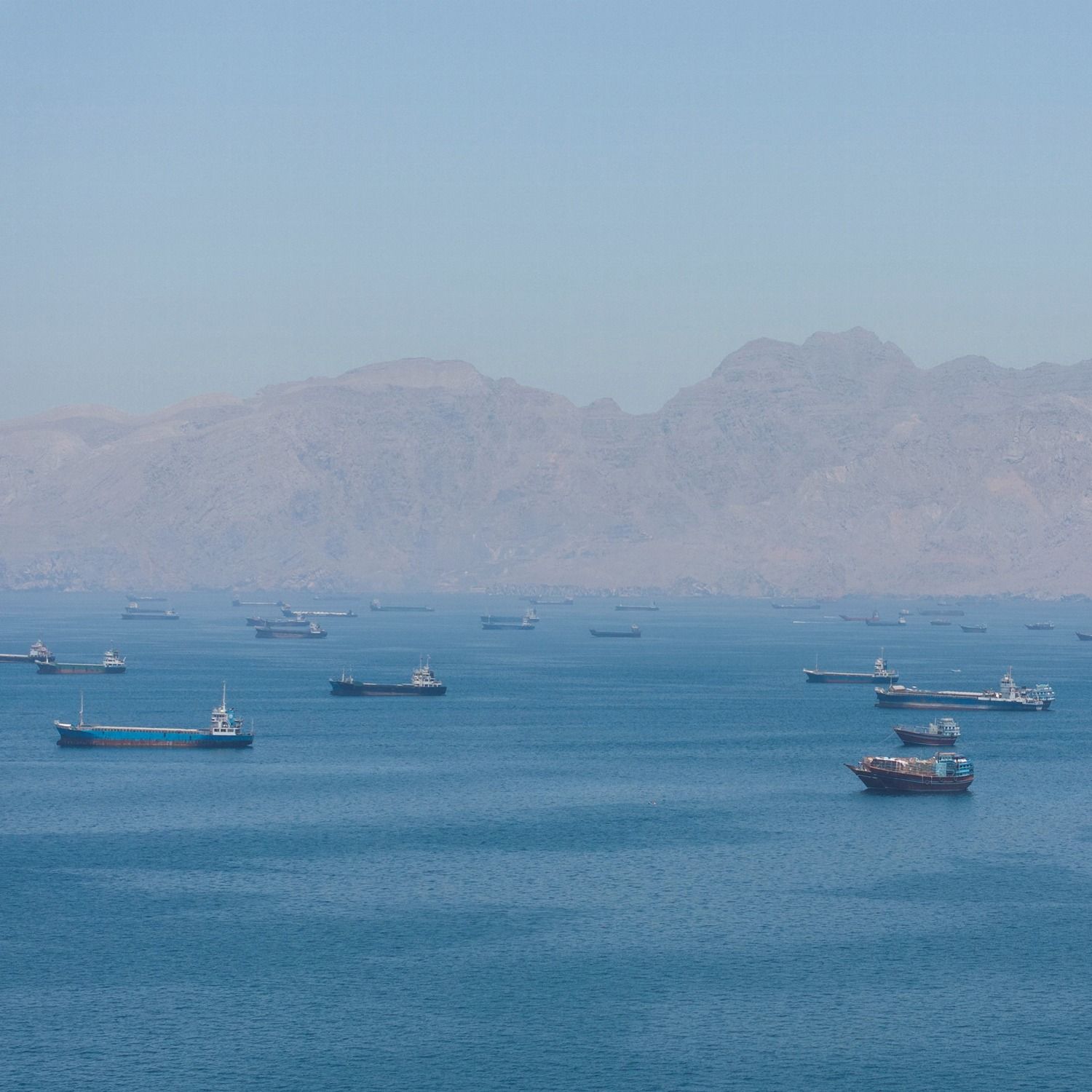
- Over 1,500 ships and 20,000 seafarers remain stranded in the Persian Gulf, facing shortages of food, water, and medical supplies.
- Aung Thu Khant described hearing distress calls over the radio from ships running out of provisions and being fired upon for attempting to leave.
- Both seafarers highlighted the psychological toll, with crews experiencing panic attacks, aggression, and feelings of hopelessness.
⚓ Escaping the Strait: A Rare Success Story
- Capt. Vishwakarma’s escape was facilitated by the Indian Navy, which provided a secret route and escorted his ship to safety.
- The crew celebrated their freedom with chants and cheers, expressing gratitude to the Indian government for their rescue efforts.
- Upon returning home, the captain was greeted with emotional relief by his family, underscoring the personal stakes of the ordeal.
🎵 Coping Mechanisms Amidst Isolation
- Aung Thu Khant and his crew have found small ways to maintain morale, such as playing basketball in the cargo hold, celebrating birthdays with chocolate cake, and singing songs like Home.
- Despite the dire circumstances, he continues to give himself and his crew pep talks, holding onto hope that they will eventually escape the strait.
AI-generated content may not be accurate or complete and should not be relied upon as a sole source of truth.
📋 Episode Description
While the United States and Iran have each signaled that they may be making progress toward a peace deal, the Strait of Hormuz remains closed.
Thousands of crew members have been stranded in the shipping channel since the war broke out three months ago.
Two seafarers who got stuck in the strait explain what it is like to be trapped in a war zone, and what it would mean to get everyone out.
Guest: Capt. Virendra Vishwakarma, who managed to leave the Strait of Hormuz, and Aung Thu Khant, a seafarer who is still stuck.
Background reading:
- Read the latest updates on the war in Iran.
- Thousands of civilian sailors have been stranded in waters surrounded by a conflict zone because of the war.
Photo: Reuters
For more information on today’s episode, visit nytimes.com/thedaily. Transcripts of each episode will be made available by the next workday.
Subscribe today at nytimes.com/podcasts or on Apple Podcasts and Spotify. You can also subscribe via your favorite podcast app here https://www.nytimes.com/activate-access/audio?source=podcatcher. For more podcasts and narrated articles, download The New York Times app at nytimes.com/app.
Hosted by Simplecast, an AdsWizz company. See pcm.adswizz.com for information about our collection and use of personal data for advertising.