

🤖 AI Summary
Overview
This episode delves into the escalating trade war between the United States and China, focusing on China's recent restrictions on rare earth mineral exports and the broader geopolitical and economic implications. It explores the strategic moves by both nations, the potential fallout for global supply chains, and the high-stakes meeting between President Trump and Chinese leader Xi Jinping.
Notable Quotes
- China has pointed a bazooka at the supply chains and the industrial base of the entire free world.
– Keith Bradsher, on the impact of China's rare earth export restrictions.
- In trying to show the world, ‘You can’t live without us,’ Beijing may actually be spurring the world to find ways to live without it.
– Natalie Kitroeff, on the potential long-term consequences of China's strategy.
- You're damned if you do, you're damned if you don't.
– Keith Bradsher, on the U.S.'s dilemma in confronting China's manufacturing dominance.
🌏 The State of U.S.-China Relations
- The trade war has reached one of its most tense moments, with both nations engaging in measures akin to economic warfare.
- Key issues include China's boycott of U.S. soybeans, U.S. restrictions on semiconductor sales, and China's stance on Taiwan.
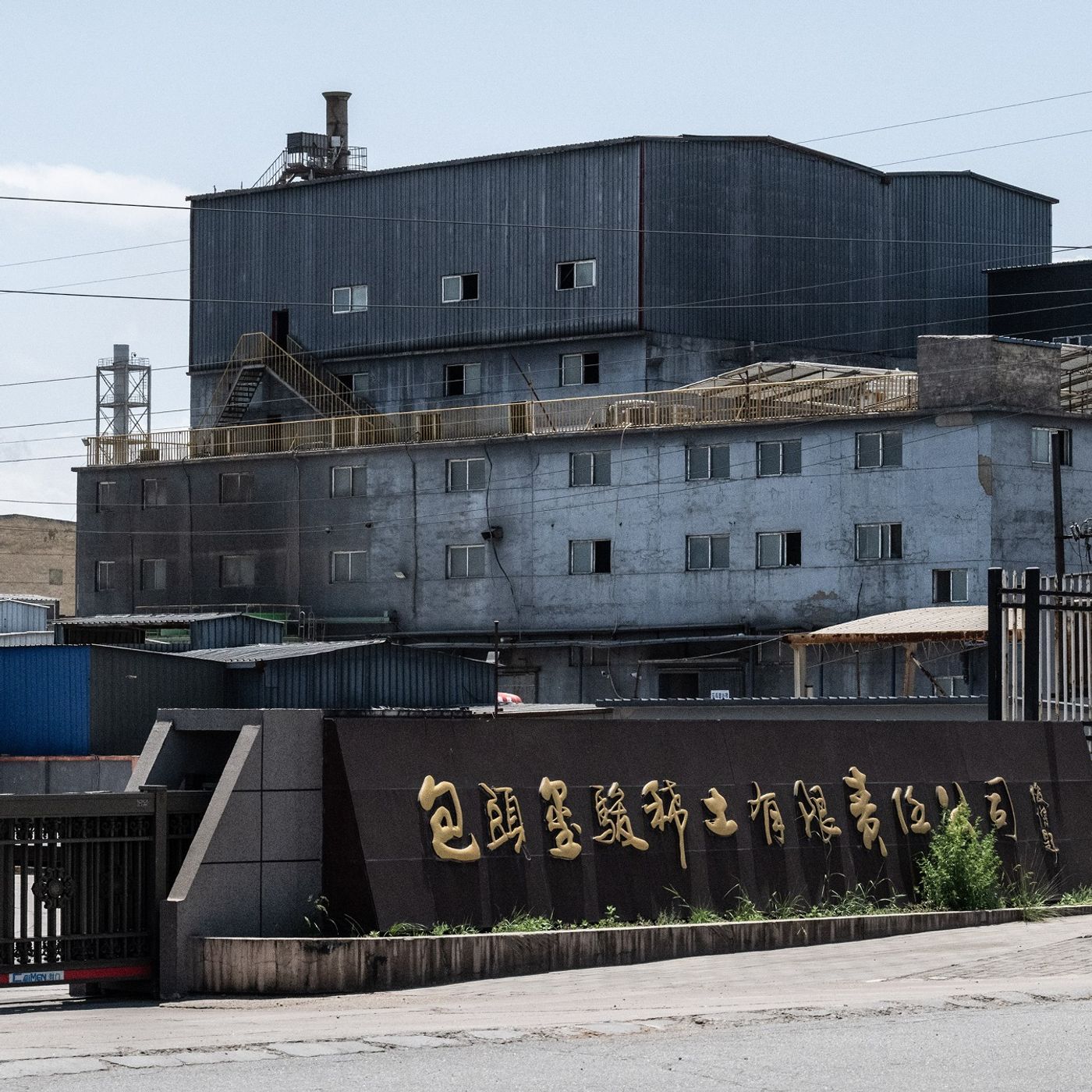
- Rare earth minerals have become a critical battleground, with China leveraging its dominance in this sector to exert pressure on the West.
🧲 Rare Earth Minerals: A Strategic Weapon
- China has expanded restrictions on rare earth exports, crucial for industries like defense, electronics, and automotive manufacturing.
- New rules prevent the West from building independent rare earth supply chains by restricting patents, equipment, and exports.
- These measures could severely impact military production in Europe and the U.S., particularly in supplying Ukraine.
💼 Economic and Geopolitical Implications
- China's actions are seen as a bid to control global commerce and assert dominance over supply chains.
- The restrictions have sparked fears of long-term damage to China's reputation as a reliable supplier, prompting companies to seek alternatives in Southeast Asia and India.
- China's alignment with Russia and North Korea signals a broader geopolitical shift, challenging Western alliances.
🚗 China's Pressure on Europe
- Beyond the U.S., China is targeting Europe, particularly over disputes involving electric vehicle tariffs and NATO alignment.
- By exploiting loopholes in EU tariffs, China has flooded the European market with hybrid vehicles, intensifying trade tensions.
- China's tough stance aims to deter Europe from aligning too closely with U.S. policies.
⚖️ The High-Stakes Meeting and Future Outlook
- The upcoming meeting between Trump and Xi is expected to yield incremental agreements, such as limited soybean purchases and discussions on fentanyl-related chemicals.
- Both nations face significant risks: China risks losing foreign investment, while the U.S. grapples with the erosion of its manufacturing base.
- The trade war underscores a broader struggle for global economic dominance, with both sides navigating a precarious balance between confrontation and cooperation.
AI-generated content may not be accurate or complete and should not be relied upon as a sole source of truth.
📋 Episode Description
President Trump’s trade war against China has so far proved harder to win than his administration ever let on. And it reached new levels of tension this month when China said it would further restrict exports of rare-earth minerals to the United States and Europe.
Keith Bradsher, the Beijing bureau chief for The New York Times, discusses a potential turning point in the standoff as Mr. Trump meets this week with his Chinese counterpart, Xi Jinping, in what will be their first talks since the trade war began.
Guest: Keith Bradsher, the Beijing bureau chief for The New York Times.
Background reading:
- Chinese and U.S. officials reached a framework of a trade deal on Sunday.
- Trump’s deal with China may avert a crisis of his own making.
Photo: The New York Times
For more information on today’s episode, visit nytimes.com/thedaily. Transcripts of each episode will be made available by the next workday.
Subscribe today at nytimes.com/podcasts or on Apple Podcasts and Spotify. You can also subscribe via your favorite podcast app here https://www.nytimes.com/activate-access/audio?source=podcatcher. For more podcasts and narrated articles, download The New York Times app at nytimes.com/app.