

🤖 AI Summary
Overview
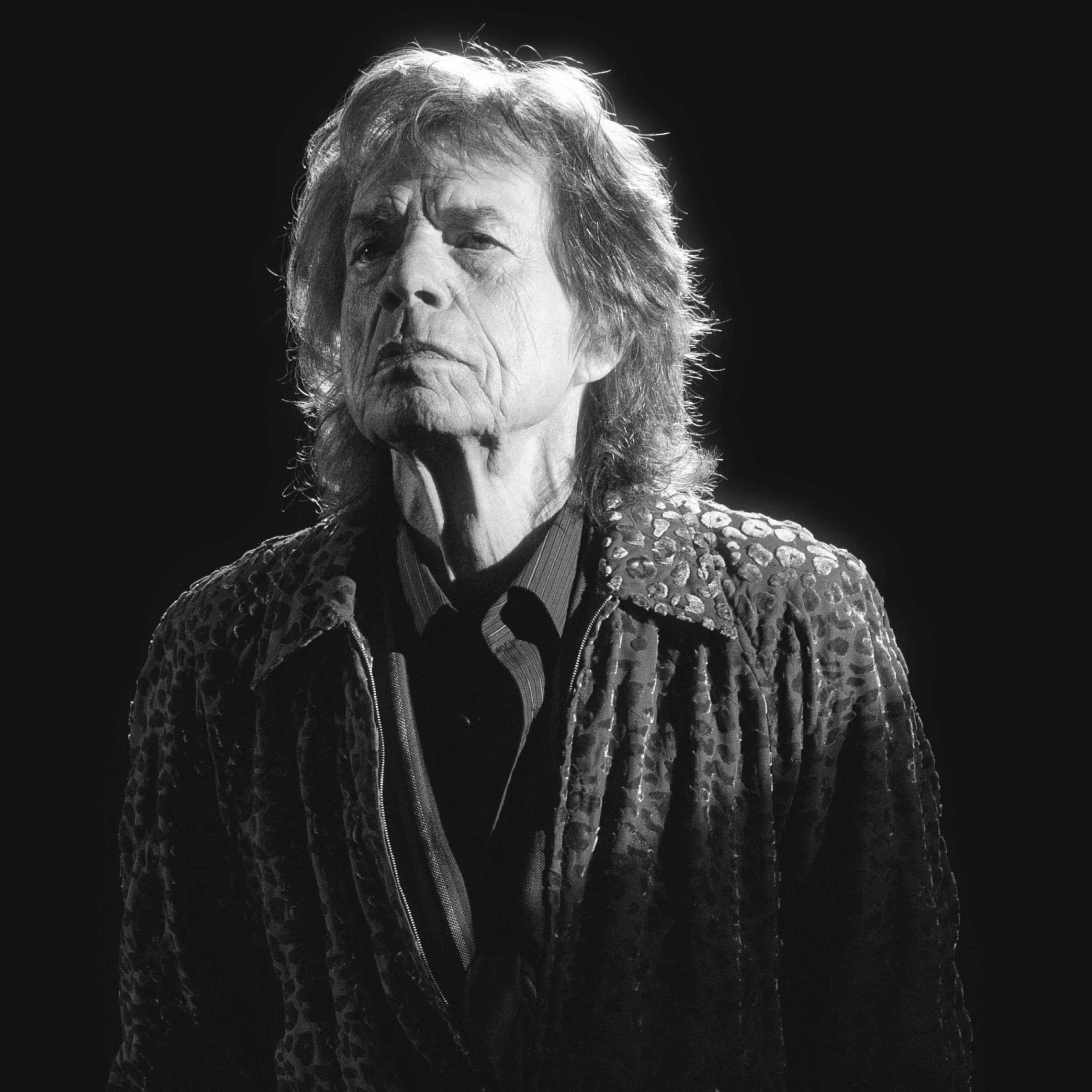
Mick Jagger reflects on his storied career, the creative process behind the Rolling Stones' new album Foreign Tongues, the complexities of fame, and how aging has shaped his artistry and life. The conversation delves into songwriting, the evolution of rock music, and Jagger's personal philosophies on identity, performance, and legacy.
Notable Quotes
- You don't really think you're Mr. Charm, you know, not really.
– Mick Jagger, on the playful personas he adopts in his songs.
- Your attitude to sex changes, your sexual tastes change. In one's life, sex is not a fixed point.
– Mick Jagger, on evolving perspectives over time.
- My job is to make them have the best time they possibly can... for two hours to forget all their problems.
– Mick Jagger, on his relationship with live audiences.
🎵 The Creative Process Behind *Foreign Tongues*
- Jagger explains the quick turnaround of the album, contrasting it with the 18-year gap before Hackney Diamonds. He credits producer Andrew Watt and the imposition of strict deadlines for the efficiency.
- Many songs began as demos Jagger created with Matt Clifford, allowing him to experiment with grooves and layers before finalizing tracks.
- He discusses blending personal experiences with imagination in his lyrics, noting that some songs, like Back in Your Life,
draw from past relationships while others incorporate political commentary.
🌍 Fame and Its Psychological Impact
- Jagger acknowledges that decades of performing for massive audiences have disassociated
him from ordinary life. He consciously fights this by engaging in everyday activities, like walking the streets or buying a newspaper.
- He reflects on the ego required for show business, admitting that his stage persona is an exaggerated character distinct from his real self.
- Jagger humorously recounts how comedians like Jimmy Fallon and John Mulaney parody his larger-than-life personality, which he views as a caricature of his stage presence.
🎤 The Role of Performance and Audience Connection
- Jagger sees his primary responsibility as creating a communal experience during live shows, adapting his energy to the audience's mood and cultural context.
- He contrasts his approach with other performers like Bob Dylan, who prioritizes artistic expression over audience interaction, and Bruce Springsteen, who thrives on direct engagement.
- He emphasizes the importance of fostering a sense of unity, even in massive stadiums, likening the experience to a temporary community.
🕰️ Aging, Legacy, and the Future of Rock
- Jagger candidly states, There's nothing good about [aging],
dismissing the notion of wisdom and lamenting physical limitations.
- He reflects on the enduring appeal of rock music, noting its evolution and continued relevance despite not being the cultural center it once was.
- On the future of the Rolling Stones, Jagger expresses hope for more world tours but acknowledges the logistical and physical challenges of extensive touring at this stage in their careers.
🎶 Musical Evolution and Experimentation
- Jagger defends the diversity of the Rolling Stones' catalog, highlighting tracks like Sympathy for the Devil
and Angie
as examples of their range.
- He shares his love for Latin and samba rhythms, admitting he wishes he had explored these styles more deeply.
- Discussing collaborations, he recalls singing backing vocals on Carly Simon's You're So Vain,
humorously dismissing rumors that the song was about him.
AI-generated content may not be accurate or complete and should not be relied upon as a sole source of truth.
📋 Episode Description
The legendary rock star, now 82, on how fame, touring and aging have changed him.
- Thoughts? Email us at [email protected]
- Watch our show on YouTube: youtube.com/@TheInterviewPodcast
- For transcripts and more, visit: nytimes.com/theinterview
Subscribe today at nytimes.com/podcasts or on Apple Podcasts and Spotify. You can also subscribe via your favorite podcast app here https://www.nytimes.com/activate-access/audio?source=podcatcher. For more podcasts and narrated articles, download The New York Times app at nytimes.com/app.
Hosted by Simplecast, an AdsWizz company. See pcm.adswizz.com for information about our collection and use of personal data for advertising.