

🤖 AI Summary
Overview
This episode explores the far-reaching and often overlooked consequences of the Iran war, particularly its devastating impact on global food, fuel, and humanitarian aid systems. Journalist Peter S. Goodman shares insights from his recent reporting trip to Somalia, highlighting how the war has exacerbated existing crises in vulnerable regions and exposed the fragility of international aid systems.
Notable Quotes
- We're deciding who lives today and who dies in two weeks.
– Peter S. Goodman, on the impossible choices aid workers face due to dwindling resources.
- What I was seeing in Somalia was the product of a series of political decisions made by human beings.
– Peter S. Goodman, contrasting natural disasters with the man-made crises unfolding in Somalia.
- It's not tenable for the rest of the world to pretend that it's living in some sort of giant gated community.
– Peter S. Goodman, on the global implications of ignoring humanitarian crises.
🌍 The Ripple Effects of the Iran War
- The war has disrupted global supply chains, causing skyrocketing prices for energy, food, and fertilizer.
- Key chokepoints like the Strait of Hormuz, which handles one-fifth of the world’s oil and a third of its fertilizer, have been severely impacted.
- Rising costs have led to cascading crises, including reduced fishing yields in Somalia and unaffordable food prices for already struggling populations.
🍞 The Collapse of Global Humanitarian Aid
- International aid funding has plummeted from $43 billion in 2022 to $28 billion in 2025, leaving millions without support.
- Cuts to USAID and European aid programs, driven by shifting political priorities, have dismantled critical safety nets.
- In Somalia, UNICEF has closed 205 health and nutrition centers, leaving malnourished children without early intervention.
🇸🇴 Somalia’s Precarious Situation
- Somalia, already grappling with severe droughts and armed conflict, imports 70% of its food and 90% of its energy.
- Shipping delays and soaring costs have doubled food and fuel prices, pushing families to the brink of starvation.
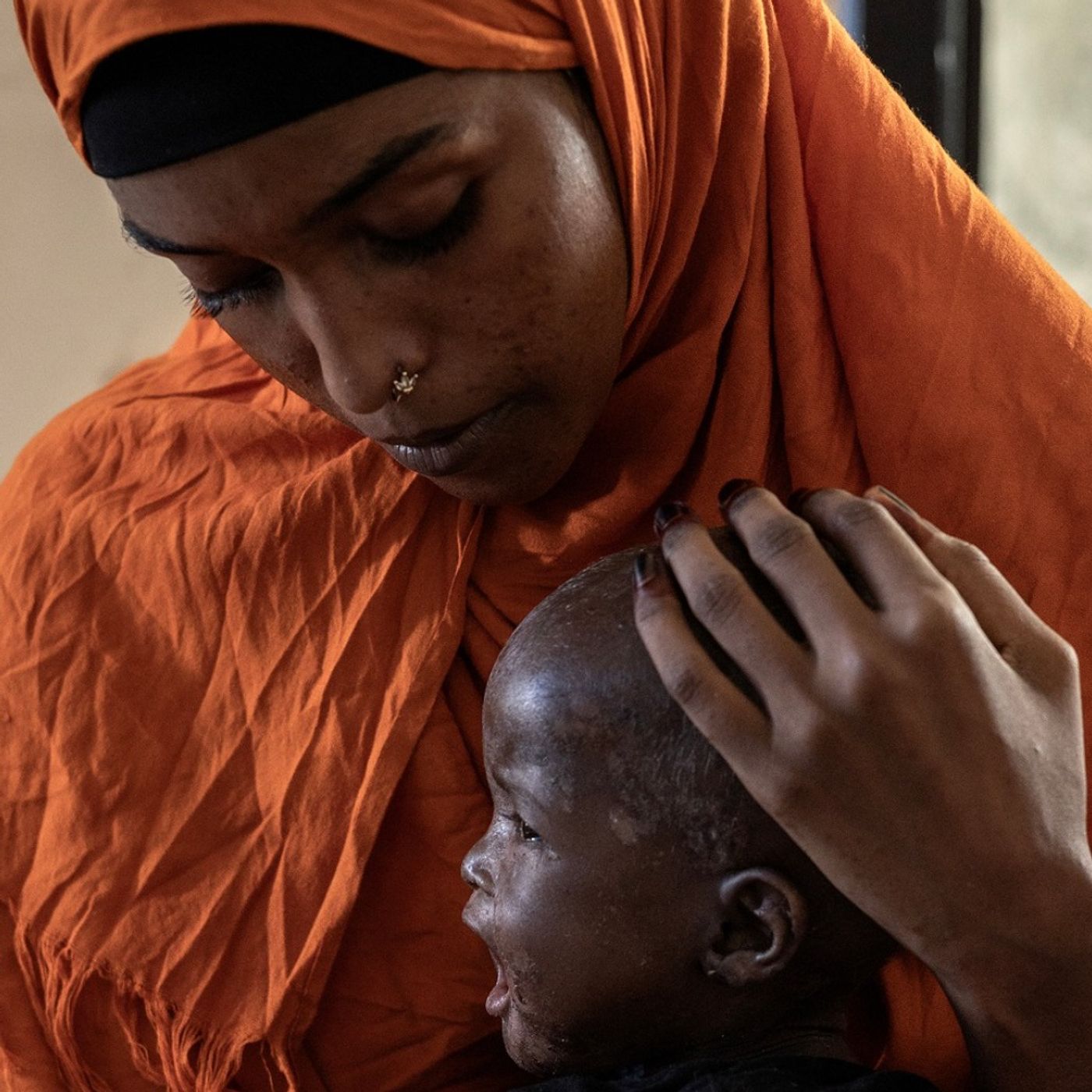
- Aid camps, once lifelines for displaced families, are now empty, forcing people to survive on sorghum porridge and weeds.
🛑 The Human Cost of Aid Shortages
- Hospitals in Somalia are overwhelmed with malnourished children, many requiring feeding tubes and oxygen.
- Aid workers face impossible decisions about resource allocation, with supplies like nutrient-rich Plumpy’Nut running out.
- A third of severe malnutrition cases could have been prevented if early intervention centers hadn’t been shuttered.
🦋 The Long-Term Butterfly Effect
- Even if the war ends, the damage to energy infrastructure and humanitarian systems will have lasting consequences.
- Programs aimed at long-term development, like vocational training in Somalia, have collapsed, stalling upward mobility.
- The global neglect of vulnerable regions risks triggering migration crises, societal instability, and the rise of extremist groups.
AI-generated content may not be accurate or complete and should not be relied upon as a sole source of truth.
📋 Episode Description
The war in Iran has had some visible consequences, like skyrocketing energy costs and higher gas prices, but the effects of this war are often far less obvious and much more serious for the world’s most vulnerable people.
Today, Peter S. Goodman tells us what he learned on a recent trip to Somalia, and why the system of global aid is no longer in a position to help.
Guest: Peter S. Goodman covers the global economy for The New York Times.
Background reading: Catastrophe is emerging in the world’s most vulnerable places as the war in Iran causes soaring costs for food, fuel and fertilizer.
Photo: Finbarr O'Reilly for The New York Times
For more information on today’s episode, visit nytimes.com/thedaily. Transcripts of each episode will be made available by the next workday.
Subscribe today at nytimes.com/podcasts or on Apple Podcasts and Spotify. You can also subscribe via your favorite podcast app here https://www.nytimes.com/activate-access/audio?source=podcatcher. For more podcasts and narrated articles, download The New York Times app at nytimes.com/app.
Hosted by Simplecast, an AdsWizz company. See pcm.adswizz.com for information about our collection and use of personal data for advertising.