

🤖 AI Summary
Overview
This episode delves into the complex and controversial case of an alleged sexual assault at Cornell University, examining the events, the institutional response, and the broader implications for how sexual assault cases are handled on college campuses. Investigative reporter Debra Kamin provides insights from over 1,000 pages of documents, shedding light on the evolving narrative of the victim, the accused, and the systemic challenges of addressing such cases.
Notable Quotes
- The bottom line is we don't have a system with Title IX or in this country that really accounts for the messiness that is many, many cases of sexual assault, particularly on campus.
— Debra Kamin, on the inadequacies of current processes.
- She wanted to tell herself a story about what happened, but she came to realize that simply wasn't what had happened.
— Debra Kamin, on the victim's evolving understanding of the incident.
- This is about as messy as it gets.
— Debra Kamin, summarizing the complexity of the case and its implications.
🕵️♀️ The Alleged Assault and Initial Response
- Jane Doe, the victim, alleged she was raped by multiple men at a Cornell fraternity party in October 2024.
- Initially, the district attorney declined to prosecute, citing insufficient evidence based on a condensed six-page summary of Jane Doe's testimony.
- The university expelled some of the accused men and imposed other sanctions, but the case largely faded from public view until Jane Doe filed a civil lawsuit in 2026.
📜 The Role of Documents and Evidence
- Over 1,000 pages of documents from Cornell's internal investigation revealed discrepancies between Jane Doe's initial statements and the condensed report sent to the DA.
- Key evidence, such as Jane Doe's statement, I can say with 100% confidence that I was raped,
was omitted from the summary provided to prosecutors.
- Text messages between Jane Doe and the accused men showed her initial attempts to downplay the incident, which critics have used to question her credibility.
🌀 The Victim’s Evolving Narrative
- Jane Doe initially described the events as consensual, even joking about them with her roommates. However, she later began to process the incident as non-consensual, influenced by external factors such as rumors and online posts labeling the event as a gang rape.
- Her understanding shifted over time, a phenomenon Debra Kamin notes is common among trauma survivors.
- By November 2024, Jane Doe explicitly described the incident as rape in her testimony to campus police.
⚖️ Systemic Failures and Title IX Limitations
- The Title IX investigation at Cornell followed protocol but highlighted systemic flaws, including untrained administrators conducting interviews and critical questions being overlooked.
- The DA's decision not to prosecute underscored the high evidentiary bar for criminal cases involving voluntary intoxication under New York law.
- The case has reignited debates about whether Title IX processes and legal frameworks are equipped to handle the complexities of campus sexual assault cases.
🔥 Public Reaction and Broader Implications
- The Cornell Sun's decision to publish the names of the accused men sparked a national uproar, leading the DA to reopen the case.
- Public opinion has been sharply divided, with some supporting Jane Doe and others accusing her of fabricating the story to salvage her reputation.
- The case has become a flashpoint for broader discussions about consent, campus culture, and the adequacy of institutional responses to sexual assault.
AI-generated content may not be accurate or complete and should not be relied upon as a sole source of truth.
📋 Episode Description
An alleged campus sexual assault at Cornell University has gripped the country and ignited a national debate over consent.
Debra Kamin, an investigative reporter for The New York Times, explains what we know about what happened.
Guest: Debra Kamin, an investigative reporter for the The New York Times.
Background reading:
- Documents reviewed by The Times reveal how a Cornell student went from shame to action.
- A Cornell police report omitted the student’s claim that she was raped.
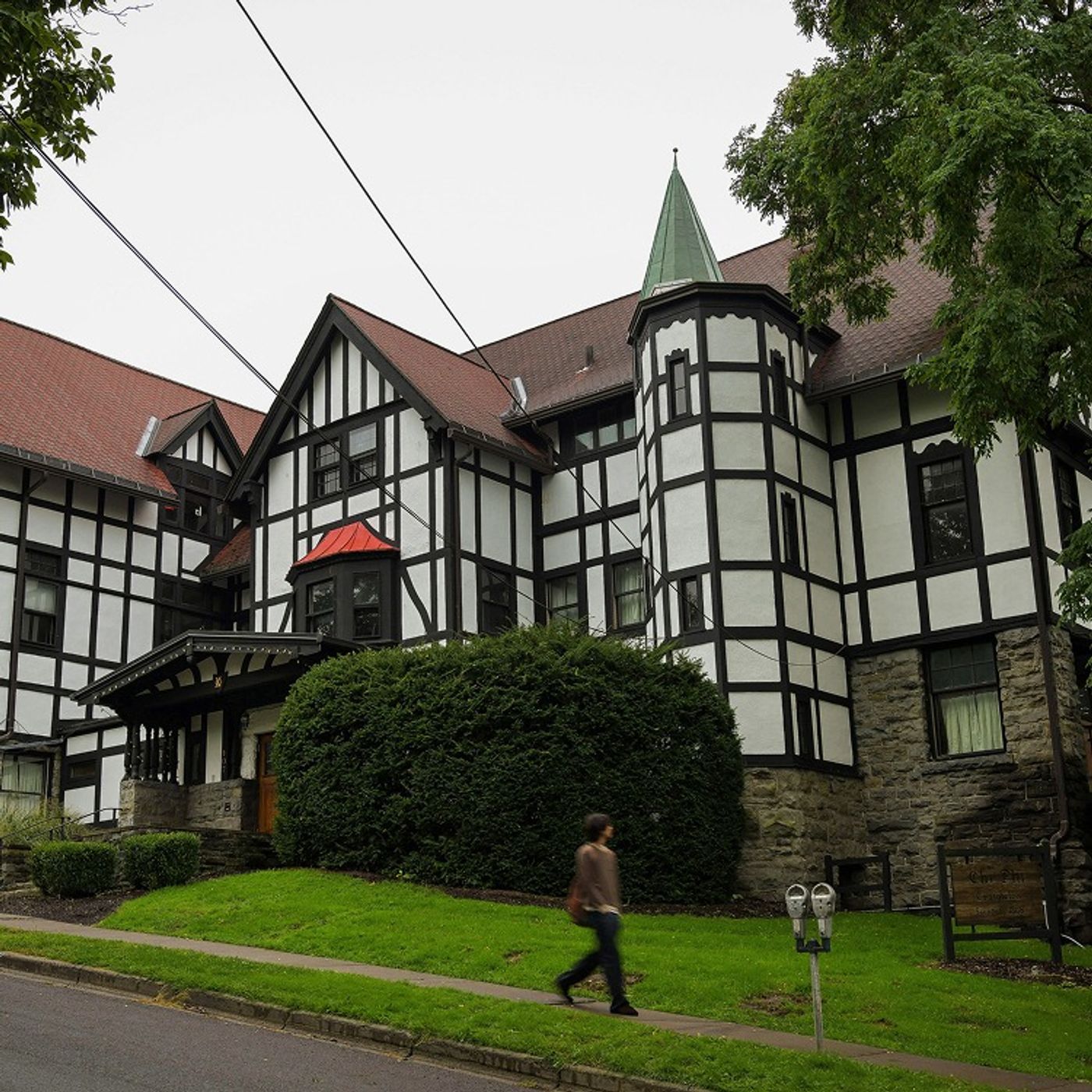
Photo: Heather Ainsworth for The New York Times
For more information on today’s episode, visit nytimes.com/thedaily. Transcripts of each episode will be made available by the next workday.
Subscribe today at nytimes.com/podcasts or on Apple Podcasts, Spotify and Amazon Music. You can also subscribe via your favorite podcast app here https://www.nytimes.com/activate-access/audio?source=podcatcher. For more podcasts and narrated articles, download The New York Times app at nytimes.com/app.
Hosted by Simplecast, an AdsWizz company. See pcm.adswizz.com for information about our collection and use of personal data for advertising.