

🤖 AI Summary
Overview
This episode delves into the dramatic congressional vote to release all files related to Jeffrey Epstein, a move fiercely opposed by President Trump for months. It explores the rebellion led by a small group of Republican lawmakers, the political dynamics that forced Trump to reverse his stance, and the broader implications for his presidency and the Republican Party.
Notable Quotes
- Alone, yes, we are afraid, but together, we are feared.
- Annie Karni, on the survivors' courage and collective strength.
- You can't make us vote against victims of sex trafficking.
- Thomas Massie, on the pressure faced by Republicans to oppose the bill.
- This vote is going to be remembered longer than Trump's in office.
- Thomas Massie, on the lasting significance of the Epstein Transparency Act.
🗳️ The Congressional Rebellion
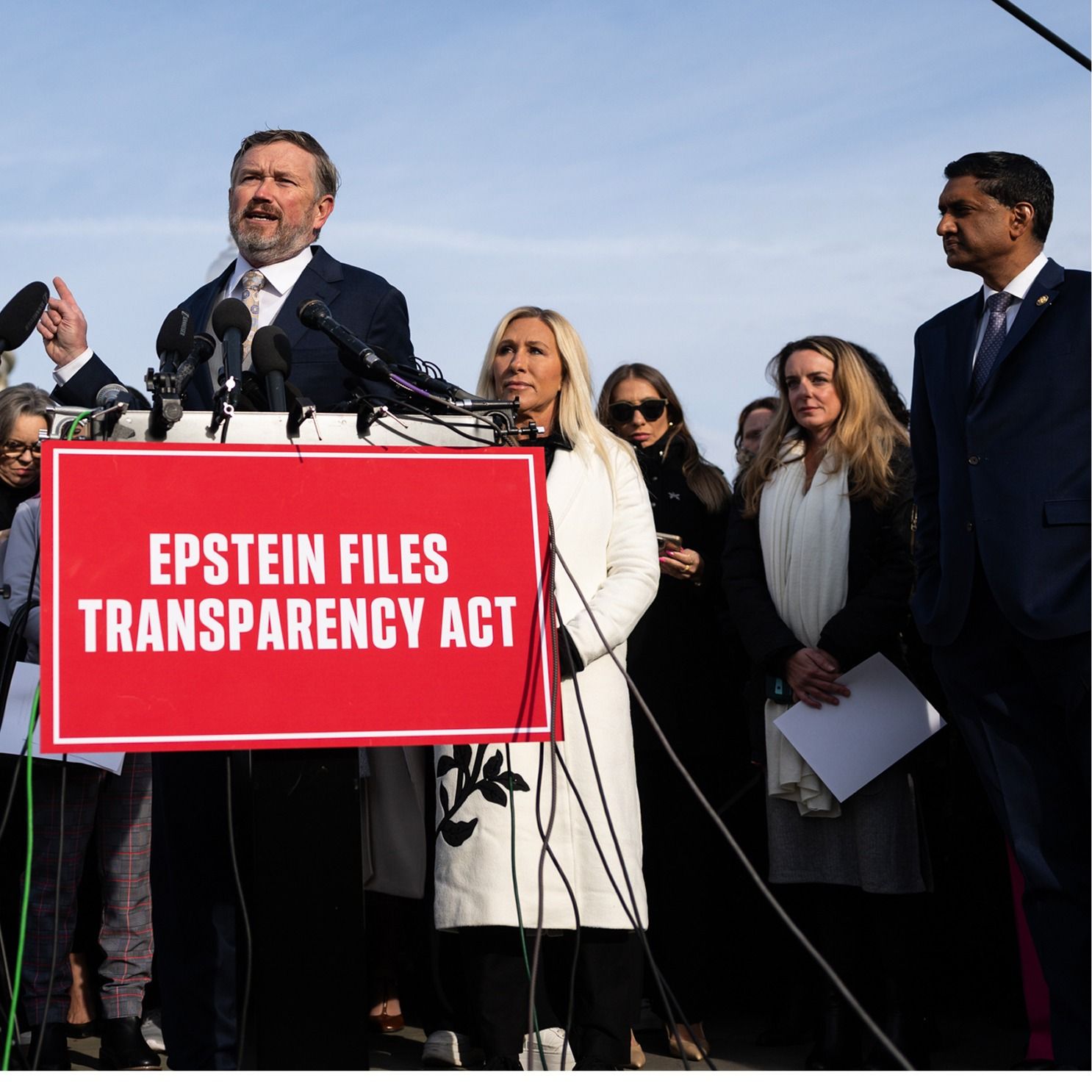
- A bipartisan discharge petition initiated by Thomas Massie and Ro Khanna circumvented leadership to force a vote on releasing Epstein-related files.
- Initially supported by dozens of Republicans, the petition lost traction when Trump opposed it, leaving only four Republicans steadfast: Massie, Lauren Boebert, Marjorie Taylor Greene, and Nancy Mace.
- These lawmakers faced intense pressure, including personal calls from Trump and high-level briefings, but constituents' support emboldened them to hold firm.
📜 Trump's Reversal
- Facing inevitable defeat, Trump reversed his stance, urging Republicans to support the bill via a Truth Social post.
- His opposition had raised suspicions of a cover-up, further damaging his position.
- Once Trump backed the measure, Republican resistance evaporated, leading to near-unanimous approval in the House.
💔 Splintering of MAGA
- The rebellion highlighted fractures within the MAGA movement, as some of its staunchest supporters broke with Trump on this issue.
- Marjorie Taylor Greene described the situation as ripping MAGA apart,
signaling a growing divide between Trump and his base.
- Massie emphasized the importance of standing with the people, even at the cost of political endorsements or party unity.
⚖️ Implications for Trump's Presidency
- The vote marked a shift in power dynamics, with Congress asserting itself against the executive branch for the first time in years.
- Carl Hulse noted signs of lame duckism
emerging earlier than expected in Trump's second term, as Republicans increasingly prioritize voter demands over loyalty to Trump.
- This moment may signal broader cracks in Trump's political influence, with self-preservation driving lawmakers to distance themselves from him.
AI-generated content may not be accurate or complete and should not be relied upon as a sole source of truth.
📋 Episode Description
Congressional Republicans on Tuesday overwhelmingly approved a bill to release all of the files related to the sex offender Jeffrey Epstein — a bill that President Trump spent months trying to kill.
The Times correspondents Anni Karni and Carl Hulse explain how a rebellion started by a handful of Republican lawmakers became a partywide mutiny, and Representative Thomas Massie talks about his role in bringing about the vote.
Guest:
- Annie Karni, a congressional correspondent at The New York Times.
- Carl Hulse, the chief Washington correspondent for The Times.
- Representative Thomas Massie, Republican of Kentucky.
Background reading:
- The vote to approve was a stunning turn for an effort that Republican leaders had worked for months to block.
- For Mr. Trump, the Epstein scandal is the story that won’t go away.
Photo: Tierney L. Cross/The New York Times
For more information on today’s episode, visit nytimes.com/thedaily. Transcripts of each episode will be made available by the next workday.
Subscribe today at nytimes.com/podcasts or on Apple Podcasts and Spotify. You can also subscribe via your favorite podcast app here https://www.nytimes.com/activate-access/audio?source=podcatcher. For more podcasts and narrated articles, download The New York Times app at nytimes.com/app.