

🤖 AI Summary
Overview
This episode takes listeners on a fascinating journey into The Morgue,
the New York Times' vast archive of historical news clippings, photographs, and books. Host Rachel Abrams explores the archive with its sole caretaker, Jeff Roth, uncovering its history, quirks, and the role it plays in preserving the paper's legacy.
Notable Quotes
- The joy of it was that you would find what you did not know you were looking for.
– A.M. Rosenthal, former executive editor of The New York Times, on the serendipity of the morgue.
- This room weighs about 700,000 pounds.
– Jeff Roth, describing the sheer physical scale of the archive.
- No morgue, no paper.
– A.M. Rosenthal, emphasizing the morgue's critical role in preserving the history and memory of The New York Times.
📚 The History and Purpose of the Morgue
- The morgue dates back to the late 1800s, with systematic cataloging beginning around 1905.
- It houses millions of newspaper clippings, books, and photographs, organized into biographical and subject-based folders.
- The term morgue
originates from the idea of storing dead stories
in drawers, akin to a morgue for bodies.
- Jeff Roth has been the morgue's caretaker for over 30 years, ensuring its organization and accessibility.
🏗️ The Physical Scale and Organization
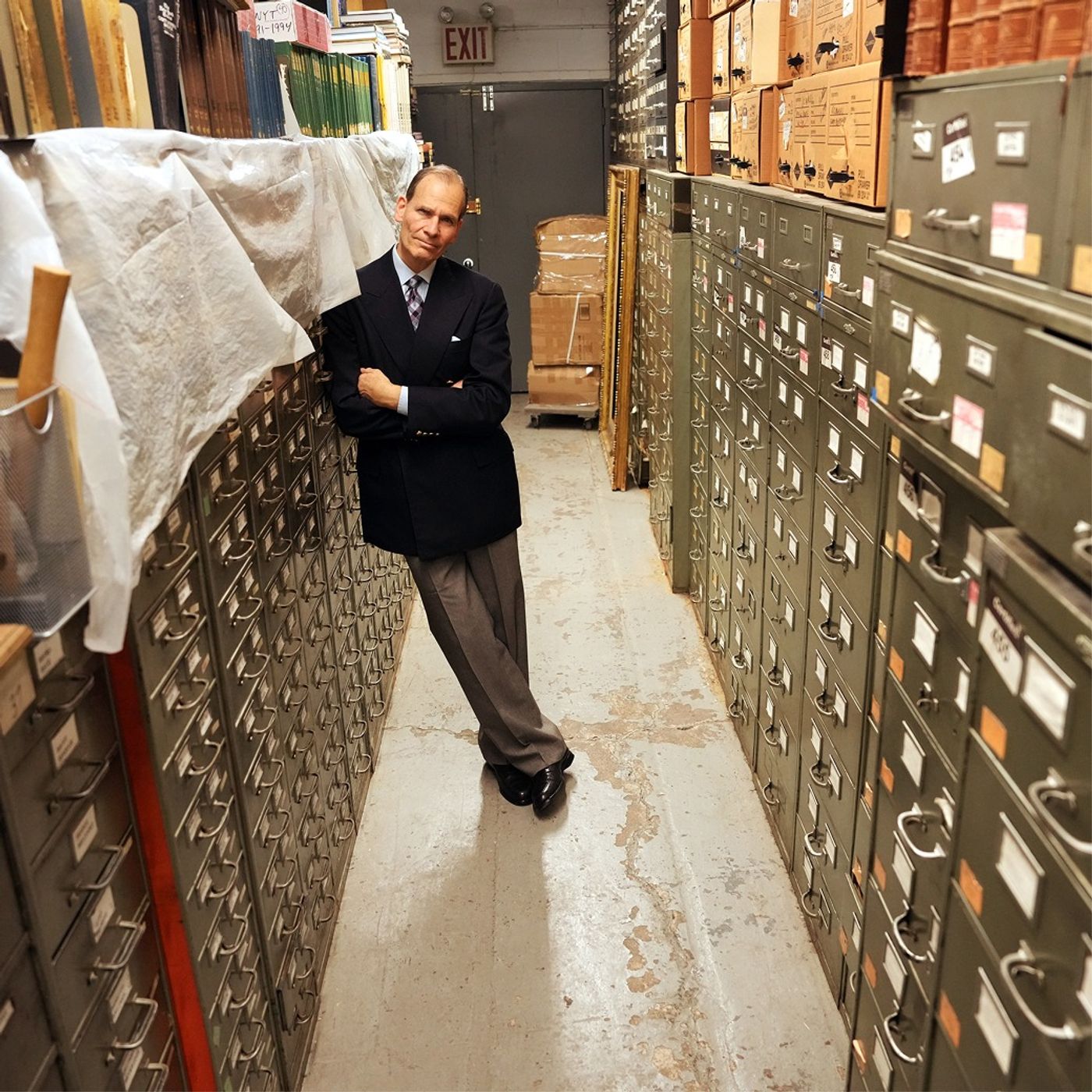
- Located in the basement of a building near the New York Times headquarters, the morgue spans multiple levels and contains 600 filing cabinets and thousands of boxes.
- The archive weighs approximately 700,000 pounds, with cabinets alone weighing 400-600 pounds each.
- Organization is largely alphabetical, but Jeff Roth is the only person who fully understands the system, making him indispensable.
📰 The Role of Serendipity in Journalism
- The morgue fosters discovery, allowing reporters to stumble upon unexpected information that enriches their stories.
- Jeff Roth highlighted how the morgue often contains materials not available online, such as stories killed after the first edition.
- A.M. Rosenthal described the morgue as essential for providing the memory and history of both the subjects and the paper itself.
💻 The Impact of the Internet on the Morgue
- The morgue is used less frequently by reporters due to the rise of digital archives and online research tools.
- However, Jeff Roth occasionally surprises reporters by providing rare or forgotten materials from the morgue.
- The archive remains a treasure trove of historical context, with over 10 million physical clippings and unique filing systems that reflect older categorizations (e.g., computers
filed under business machines
).
🛠️ Jeff Roth: The Keeper of Knowledge
- Jeff Roth began his career at the morgue in 1993, initially hired to move boxes. Over time, he became the sole guardian of the archive.
- Despite his unplanned career path, Roth developed a deep attachment to the morgue and its role in supporting journalism.
- He views his work as a blend of physical labor and intellectual engagement, driven by a sense of duty to preserve and provide access to the New York Times' historical records.
AI-generated content may not be accurate or complete and should not be relied upon as a sole source of truth.
📋 Episode Description
In this subscriber-only episode, the host Rachel Abrams ventures deep into the basement of The New York Times in Manhattan to visit a place affectionately known by staff members as “the morgue.”
There, she meets Jeff Roth, the sole guardian of the vast and eclectic archive that houses the paper’s historical news clippings and photographic prints, along with its large book and periodicals library dating back to the 19th century.
Guest:
- Jeff Roth, archivist at The New York Times
For more information on today’s episode, visit nytimes.com/thedaily. Transcripts of each episode will be made available by the next workday.
Subscribe today at nytimes.com/podcasts or on Apple Podcasts and Spotify. You can also subscribe via your favorite podcast app here https://www.nytimes.com/activate-access/audio?source=podcatcher. For more podcasts and narrated articles, download The New York Times app at nytimes.com/app.