

🤖 AI Summary
Overview
This episode examines President Trump's controversial claims linking autism to Tylenol use during pregnancy and childhood vaccines, juxtaposing his statements with established scientific research. It also explores the broader implications of these claims on public health and autism discourse.
Notable Quotes
- The announcement on autism was the saddest display of a lack of evidence, rumors, recycling old myths, outright lies, and dangerous advice I have ever witnessed by anyone in authority in the world claiming to know anything about science.
– Head of Medical Ethics at NYU, on Trump's press conference.
- Fevers in pregnancy come at great risk to both the mother and the fetus. Do not listen to the president.
– Azeen Ghorayshi, emphasizing the dangers of untreated fevers during pregnancy.
- The pharmaceutical companies have actually been profiting off of your family's pain, and I'm going to be the one to be the truth teller in this situation.
– Donald Trump, framing his claims as anti-establishment.
🩺 Trump’s Medical Claims and Their Scientific Basis
- President Trump claimed Tylenol use during pregnancy causes autism, urging pregnant women to avoid it entirely.
- Azeen Ghorayshi clarified that no study has proven causality between Tylenol and autism. Observational studies show correlations, but these are influenced by confounding factors like genetics and maternal health.
- Trump also suggested breaking up vaccine schedules and delaying hepatitis B vaccines, despite decades of research disproving any link between vaccines and autism.
📈 The Rise in Autism Diagnoses
- Autism prevalence has risen from 1 in 150 children in 2000 to 1 in 31 today, according to the CDC.
- Azeen Ghorayshi explained that much of this increase stems from broader diagnostic criteria, including milder forms of autism under the umbrella of Autism Spectrum Disorder.
- Genetic factors, environmental influences like air pollution, and delayed parenthood also contribute to the rise, though many aspects remain unknown.
⚠️ Public Health Risks of Misinformation
- Trump's advice to avoid Tylenol during pregnancy contradicts medical consensus, which deems acetaminophen safe and necessary for treating fevers that pose significant risks to both mother and fetus.
- The American College of Obstetricians and Gynecologists issued a statement reaffirming Tylenol’s safety and warning against untreated fevers during pregnancy.
- Experts worry that misinformation could lead to fear-mongering and self-blame among parents of autistic children.
💊 Policy Actions and Ethical Concerns
- The FDA announced plans to add warning labels to acetaminophen and approved a new autism treatment, leucovorin, despite limited evidence from small studies.
- $50 million in federal grants were allocated to study autism causes, including disproven vaccine links.
- Critics, including medical ethicists, condemned the administration’s approach as irresponsible and harmful, prioritizing sensationalism over evidence-based solutions.
🧩 Autism Advocacy and Divided Perspectives
- While some families appreciate the increased focus on autism, others are alarmed by the recycling of debunked theories and the potential stigmatization of pregnant women.
- Parents of children with severe impairments expressed mixed feelings, torn between gratitude for the spotlight on autism and concern over the consequences of misinformation.
AI-generated content may not be accurate or complete and should not be relied upon as a sole source of truth.
📋 Episode Description
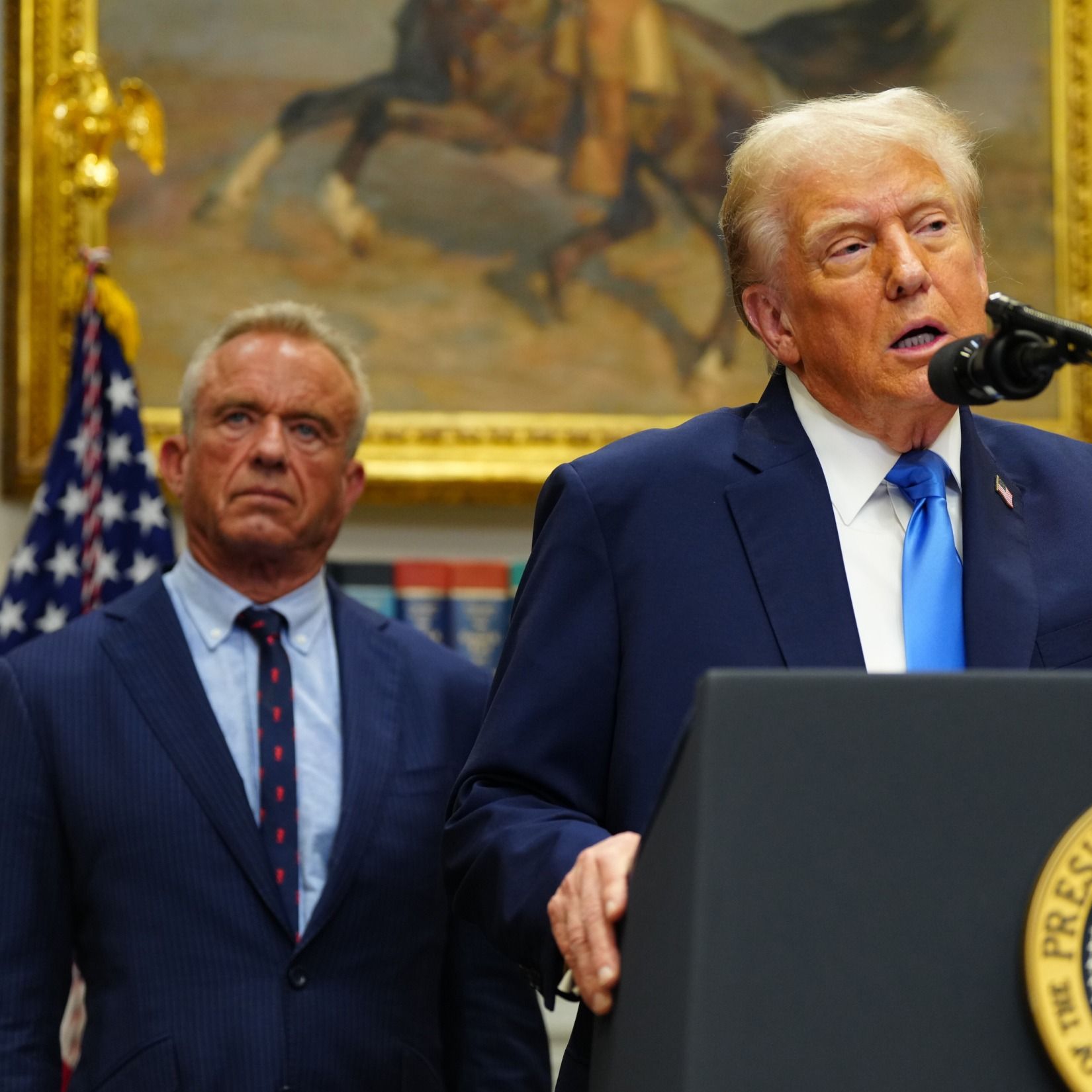
During a televised news conference on Monday night, President Trump repeatedly gave out unproven medical advice that linked autism to Tylenol and childhood vaccines.
Azeen Ghorayshi, a science reporter for The New York Times, explains what Mr. Trump said and what decades of scientific research actually tells us.
Guest: Azeen Ghorayshi, a science reporter for The New York Times.
Background reading:
- Mr. Trump issued a warning based on an unproven link between Tylenol and autism.
- What to know about painkillers, vaccines, genes and autism.
For more information on today’s episode, visit nytimes.com/thedaily. Transcripts of each episode will be made available by the next workday.
Photo: Tierney L. Cross/The New York Times
Unlock full access to New York Times podcasts and explore everything from politics to pop culture. Subscribe today at nytimes.com/podcasts or on Apple Podcasts and Spotify.