

🤖 AI Summary
Overview
This episode explores the economic ripple effects of the Middle East conflict, focusing on rising oil prices and their impact on air travel and small businesses. It also delves into Oracle's risky AI investments, the challenges of the right-to-repair movement, and innovative business models like a pay-what-you-can cafe in Minneapolis.
Notable Quotes
- Notably, leisure customers have to decide, well, am I going to pay to light the house and heat the house, or am I going to buy airline tickets to see Mickey Mouse?
– Robert Mann, on the tough choices consumers face with rising airfare.
- This decision somehow saved us from worrying about that. We are in one of the biggest crises for restaurants that we've seen in our lifetime.
– Dylan Alverson, on transitioning his cafe to a pay-what-you-can model.
- We've exited the pure AI excitement phase, and we're definitely full into the AI accountability phase.
– Jacob Born, on the shift in investor sentiment toward AI spending.
✈️ Rising Jet Fuel Costs and Airfare
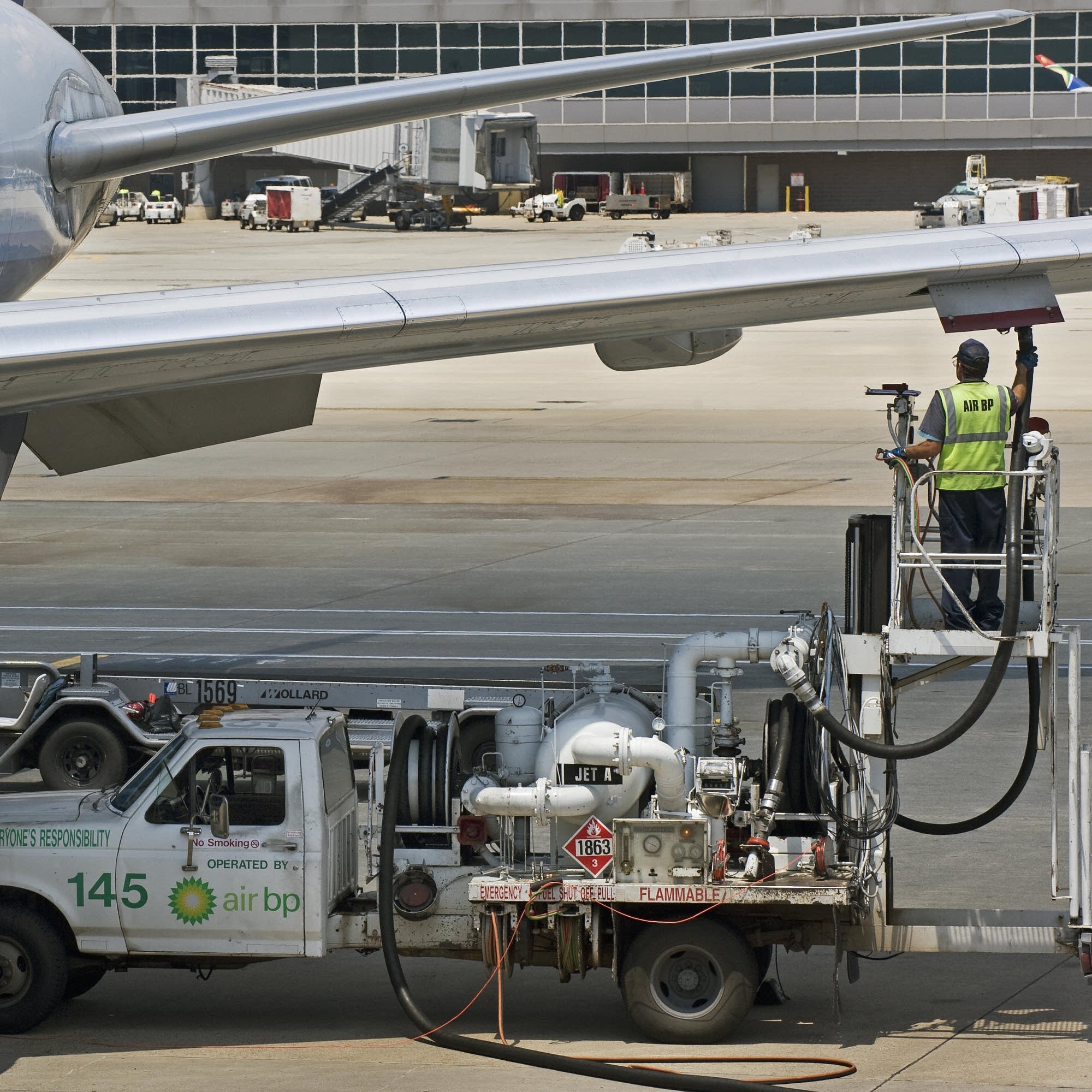
- The war in the Middle East has driven up oil prices, leading to higher jet fuel costs and, consequently, rising airfares.
- Kaylee Wells notes that while demand for travel remains elevated, it is not as robust as during the revenge travel
period post-pandemic, making price hikes feel more burdensome for consumers.
- Airlines are targeting price increases at wealthier travelers, particularly on international routes, while budget airlines may struggle to pass on costs to their price-sensitive customers.
📉 Small Business Uncertainty
- The NFIB's Small Business Optimism Index shows a decline, with inflation, labor shortages, and rising health insurance premiums as key concerns.
- Mitchell Hartman highlights that while small businesses are hiring more, they face escalating costs for materials and fuel, compounded by the war's economic impact.
- Despite challenges, some small businesses are adapting quickly, showing resilience in uncertain times.
☕ Pay-What-You-Can Business Model
- Dylan Alverson, owner of Postmodern Times in Minneapolis, permanently adopted a pay-what-you-can model to support his community during ICE crackdowns.
- The model eliminates price points, allowing customers to donate voluntarily, fostering inclusivity and community support.
- Alverson reports unexpected financial stability, including a profitable February, traditionally a slow month for restaurants in Minnesota.
🤖 Oracle’s Risky AI Investments
- Oracle's aggressive AI infrastructure spending, largely financed through debt, has raised investor concerns.
- The company’s reliance on OpenAI as a major customer adds to the risk, especially as OpenAI faces its own financial challenges.
- Analysts like Luke Yang warn that Oracle's strategy could backfire if AI demand doesn’t meet expectations.
🔧 Right to Repair and Consumer Advocacy
- The bankruptcy of Fisker, an electric vehicle maker, has left owners struggling to maintain their cars due to restricted access to proprietary software.
- The Fisker Owners Association is fighting to gain intellectual property rights, a rare case of consumers banding together to reclaim control over their purchases.
- David Slotnick suggests this movement could pave the way for broader consumer rights in repair and ownership, though the stakes are particularly high for vehicles due to safety concerns.
AI-generated content may not be accurate or complete and should not be relied upon as a sole source of truth.
📋 Episode Description
As war in the Middle East pushes oil prices up, the price of jet fuel rises too. And that means air travel could get more expensive. The catch? Airlines are responding unevenly. In this episode, airlines balance pinched consumers with climbing fuel costs. Plus: Small business owner uncertainty is at its highest level in decades, investors scrutinize Oracle’s AI spending, and a Minneapolis cafe owner switches to a pay-what-you-can model amid ongoing ICE operations in the area.
Every story has an economic angle. Want some in your inbox? Subscribe to our daily or weekly newsletter.
Marketplace is more than a radio show. Check out our original reporting and financial literacy content at marketplace.org — and consider making an investment in our future.