

🤖 AI Summary
Overview
This episode explores the challenges and controversies surrounding the Trump administration's push for local law enforcement in blue cities, like Minneapolis, to cooperate with federal immigration authorities. It delves into the historical evolution of this cooperation, the rise of sanctuary policies, and the political and legal complexities faced by local officials.
Notable Quotes
- For every person that I can arrest in a county jail in a sanctuary city, it means that a law enforcement officer has to knock on the door of a home to arrest somebody with a criminal history.
– Tom Homan, on the risks of sanctuary city policies.
- The immigration system and the criminal justice system should remain separate.
– Hamed Aleaziz, on the principle behind sanctuary policies.
- If she were to make a move that her constituents would see as capitulating to the Trump administration, it would be politically damaging.
– Ernesto Londoño, on the political dilemma faced by Hennepin County Sheriff Dawanna Witt.
🛂 The Evolution of Local-Federal Immigration Cooperation
- Hamed Aleaziz explains how, 15 years ago, cooperation between local law enforcement and ICE was routine, with local jails holding individuals for ICE to pick up.
- This system was efficient for deportations but faced backlash during the Obama administration, as immigrant advocates criticized the high deportation rates, labeling Obama the deporter in chief.
- Sanctuary policies emerged as a response, aiming to protect immigrant communities and reduce local liability from lawsuits tied to ICE detentions.
🏙️ The Rise of Sanctuary Cities
- Sanctuary policies gained traction as cities sought to limit cooperation with ICE, citing community trust and financial burdens as key reasons.
- Lawsuits against local jails for detaining individuals longer than legally allowed further discouraged collaboration.
- By the Trump administration, sanctuary policies became a political statement against federal immigration crackdowns.
⚖️ Legal and Political Challenges in Minneapolis
- Hennepin County Jail, once cooperative with ICE, now has a strict non-cooperation policy. Sheriff Dawanna Witt faces pressure from the Trump administration to reverse this stance.
- Ernesto Londoño highlights the sheriff's political predicament: balancing federal demands with the expectations of her progressive constituents.
- Local officials remain skeptical of federal promises that cooperation would reduce ICE presence, given the lack of trust and prior experiences.
🚨 Safety and Operational Concerns
- Tom Homan argues that sanctuary policies endanger both ICE agents and communities by forcing arrests to occur in homes rather than controlled jail environments.
- Critics counter that ICE's aggressive tactics and lack of accountability erode trust in law enforcement and harm immigrant communities.
🗳️ The Role of Public Sentiment and Elections
- Local officials, including sheriffs, are elected and must navigate the political climate shaped by events like the George Floyd protests and Trump-era immigration policies.
- Ernesto Londoño notes that any move perceived as aligning with Trump could be politically damaging in progressive areas like Minneapolis.
- The episode underscores the tension between federal immigration goals and local political realities.
AI-generated content may not be accurate or complete and should not be relied upon as a sole source of truth.
📋 Episode Description
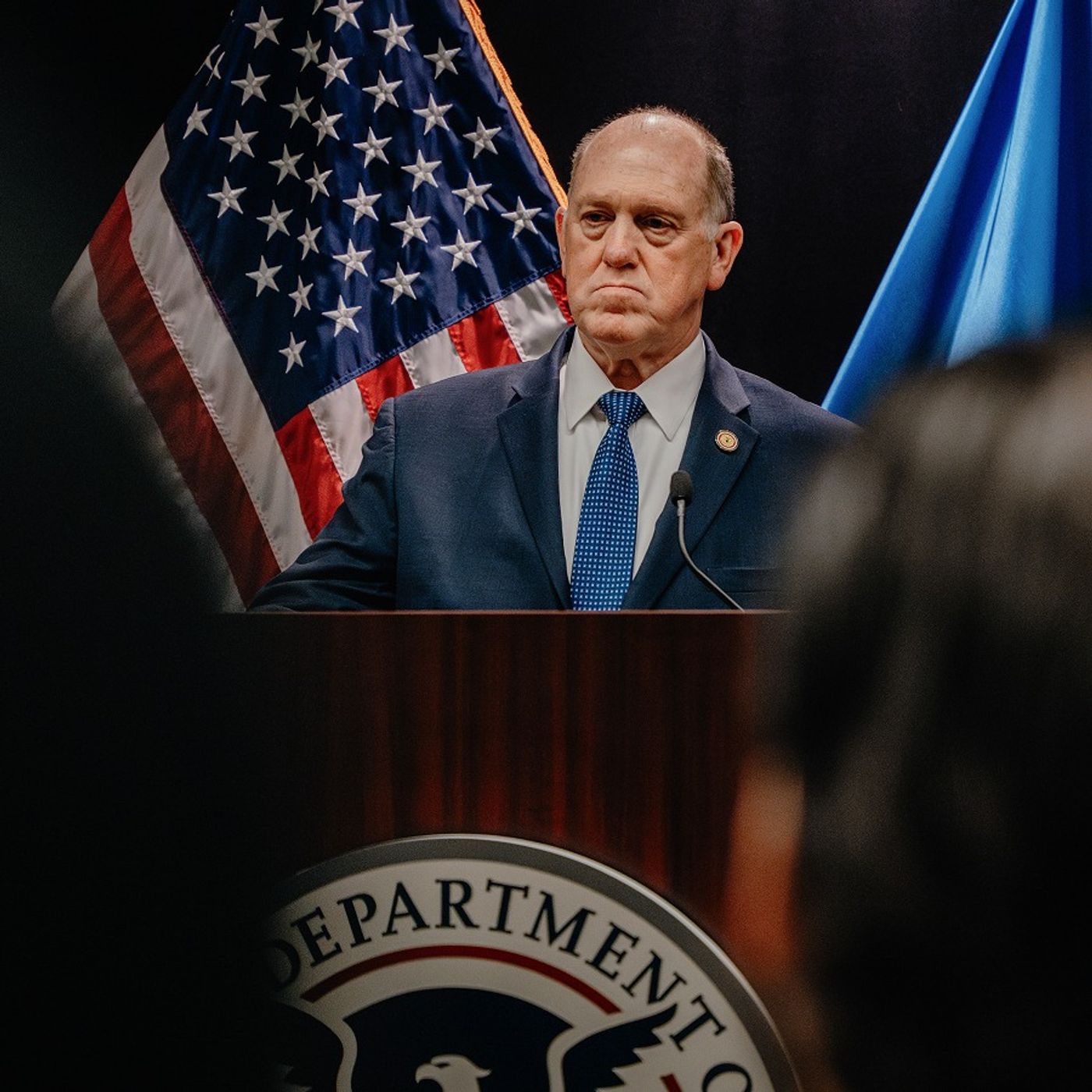
Tom Homan, President Trump’s border czar, traveled to Minneapolis a few days ago with a message: the faster local officials cooperate with federal immigration agents, the faster those agents will leave.
Hamed Aleaziz and Ernesto Londoño, New York Times reporters, explain why that kind of cooperation is so difficult to pull off.
Guest:
- Hamed Aleaziz, who covers the Department of Homeland Security and immigration policy in the United States for The New York Times.
- Ernesto Londoño, a reporter for The New York Times based in Minnesota.
Background reading:
- Can Mr. Homan de-escalate tensions in Minnesota?
- Minneapolis police officers caught between the Trump administration and city residents face difficult choices.
Photo: Jamie Kelter Davis for The New York Times
For more information on today’s episode, visit nytimes.com/thedaily. Transcripts of each episode will be made available by the next workday.
Subscribe today at nytimes.com/podcasts or on Apple Podcasts and Spotify. You can also subscribe via your favorite podcast app here https://www.nytimes.com/activate-access/audio?source=podcatcher. For more podcasts and narrated articles, download The New York Times app at nytimes.com/app.