
The U.A.E. Got A.I. Chips. Trump’s Inner Circle Got Crypto Riches.

🤖 AI Summary
Overview
This episode delves into a New York Times investigation uncovering financial entanglements between the Trump administration, the United Arab Emirates (UAE), and Trump’s inner circle. The deals involve billions of dollars, cutting-edge AI technology, and cryptocurrency ventures, raising serious concerns about conflicts of interest and national security implications.
Notable Quotes
- What we're seeing here is at a scale unlike anything I think I've seen as a reporter in four decades, in terms of the national security implications and the scale of dollars potentially enriching the president's family.
– Eric Lipton, on the unprecedented nature of these deals.
- It's not normal for the president and his Middle East advisor to have a financial interest in matters that they're involved in.
– Eric Lipton, highlighting the appearance of corruption.
- Who is the president and the administration representing here? And how can we be confident the president's own interests aren't playing a role in a deal that impacts America's national security?
– Rachel Abrams, questioning the integrity of the administration's decisions.
🛢️ UAE’s Strategic Shift to AI
- Sheikh Takhnoon, UAE’s national security chief, is spearheading efforts to transform the oil-rich nation into a global AI hub, leveraging its vast wealth.
- The UAE sought access to advanced AI chips from the U.S., crucial for building one of the largest AI data centers outside America.
- Concerns arose due to UAE’s close ties with China, including joint military exercises and shared technology, which posed risks of American tech falling into Chinese hands.
💰 The $2 Billion Crypto Deal
- The UAE transferred $2 billion to World Liberty, a cryptocurrency company co-founded by Trump’s family and advisor Steve Witkoff.
- This investment turned World Liberty into a major player in the crypto space, generating tens of millions annually for its owners.
- The timing of the deal coincided with UAE’s push for AI chips, raising suspicions of quid pro quo arrangements.
⚖️ Internal White House Clash Over AI Chips
- Within the Trump administration, factions debated whether to restrict or expand the export of advanced AI chips.
- David Sachs, Trump’s AI advisor, advocated for global distribution to strengthen U.S. dominance, while others pushed for tighter controls to safeguard national security.
- A shake-up in the administration led to the firing of key skeptics, paving the way for a more lenient chips policy.
🤝 Trump’s Role in Finalizing the Deals
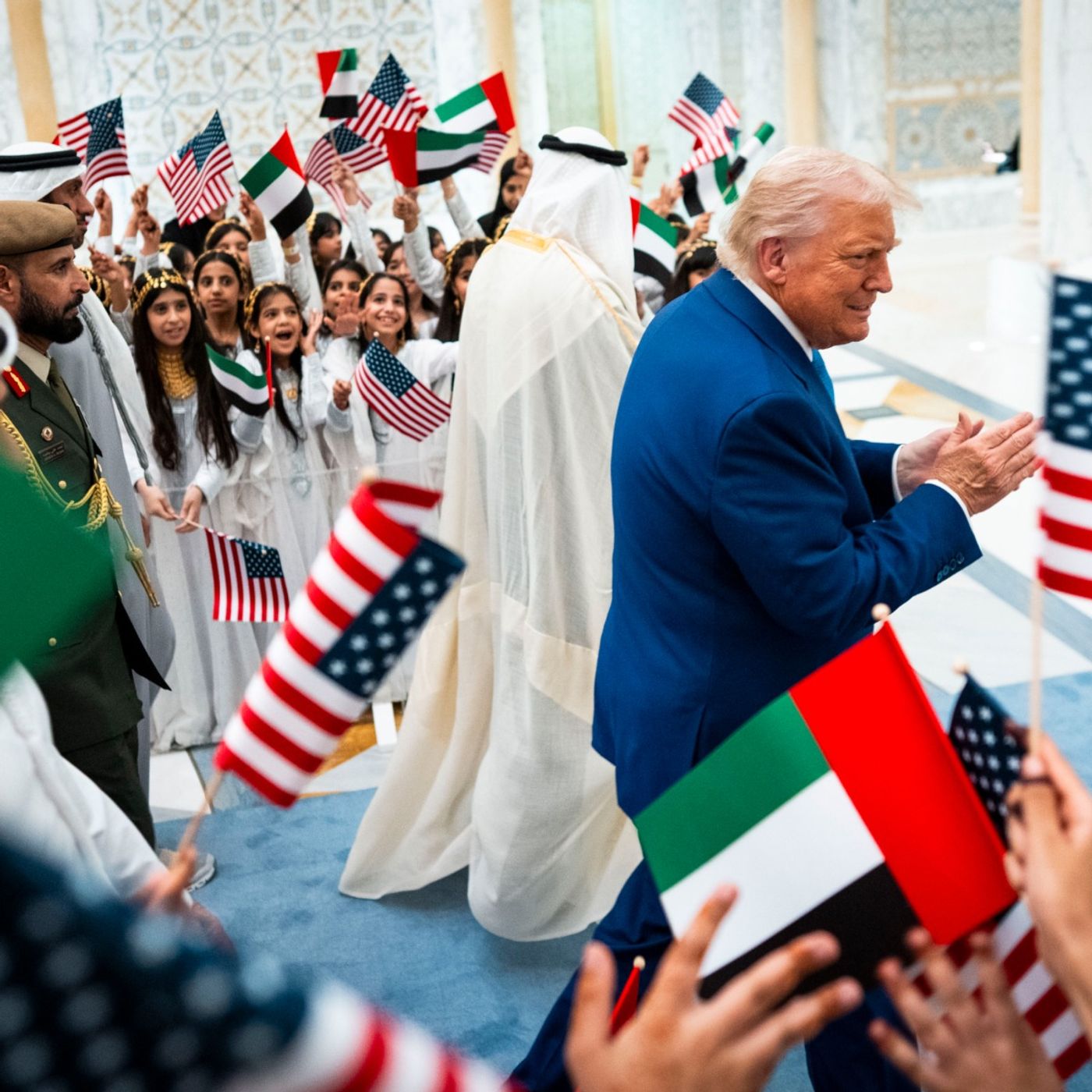
- Trump’s first major international trip included a high-profile event in the UAE, where the administration announced a deal to supply 500,000 advanced AI chips annually.
- Critics argued that security concerns were punted to future negotiations, leaving unresolved risks of technology leakage to China.
- The overlap between Trump’s financial interests and policy decisions fueled allegations of conflicts of interest and blurred lines between public duty and private gain.
🔍 Ethical and Strategic Implications
- The investigation highlights the tension between economic strategy and national security, with some arguing that global reliance on U.S. tech strengthens America’s position.
- However, the intertwining of Trump’s personal financial gains with policy decisions raises questions about the administration’s motivations and accountability.
- The deals underscore broader concerns about transparency and governance in high-stakes international agreements.
AI-generated content may not be accurate or complete and should not be relied upon as a sole source of truth.
📋 Episode Description
President Trump and his inner circle are making millions of dollars from agreements that intersect with America’s national security interests, a New York Times investigation found.
Eric Lipton, who wrote the article, explains why these conflicts of interest are unlike anything we’ve seen before.
Guest: Eric Lipton, an investigative reporter for The New York Times.
Background reading:
- Read the full investigation here, or see five takeaways.
For more information on today’s episode, visit nytimes.com/thedaily. Transcripts of each episode will be made available by the next workday.
Photo: Doug Mills/The New York Times
Unlock full access to New York Times podcasts and explore everything from politics to pop culture. Subscribe today at nytimes.com/podcasts or on Apple Podcasts and Spotify.