

🤖 AI Summary
Overview
This episode explores the economic pressures of holiday spending, the growing reliance on credit card debt, and the broader implications of financial strain on American households. It also delves into the history of Monopoly, the challenges of modern homesteading, and innovative approaches to sustainable chocolate production in the face of climate change.
Notable Quotes
- The top 10% of households are making up nearly half of all spending.
- Jordan Holman, on the growing disparity in consumer spending.
- The rise of buy now, pay later lending adds extra risk... consumers sometimes get into trouble when they think, 'Oh, I can deal with this payment,' and end up juggling multiple plans.
- Chi-Chi Wu, on the dangers of deferred payment systems.
- Lizzie McGee created Monopoly as a teaching tool to show the evils of monopolies, but the anti-monopolist rule set got lost.
- Mary Pilon, on the forgotten origins of the iconic board game.
🛍️ Holiday Spending and Economic Disparities
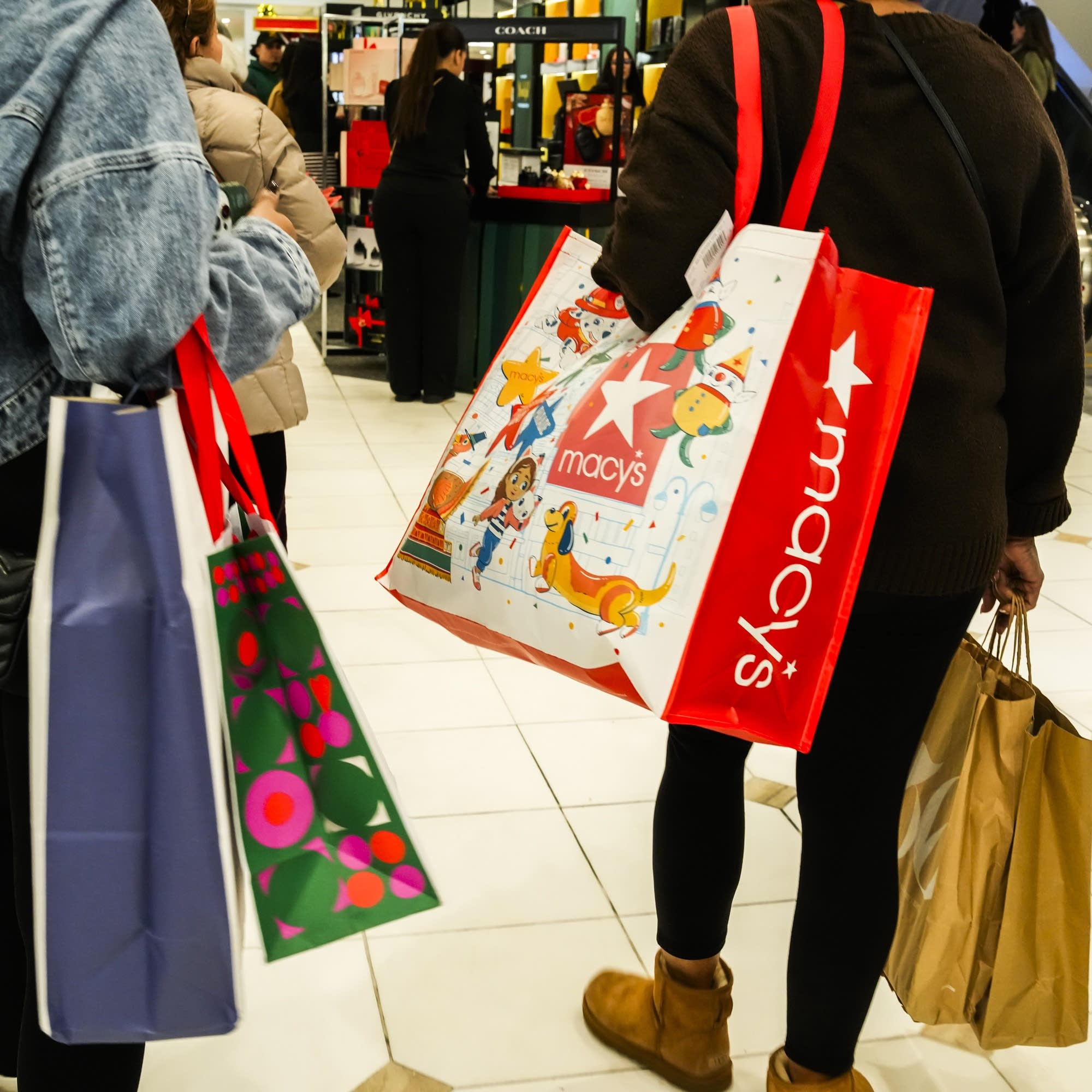
- Retail sales predictions for the holiday season are optimistic, with the National Retail Federation forecasting record spending. However, this is largely driven by higher-income households, as noted by Jordan Holman.
- Retailers are offering modest discounts, around 27%, to protect their profit margins, despite consumer expectations for deeper Black Friday deals.
- Early data suggests that the full picture of holiday spending won't be clear until the season progresses, especially with delayed economic reports due to the government shutdown.
💳 Rising Credit Card Debt
- Credit card balances have surged to over $1.2 trillion, a 6% increase from the previous year, according to the New York Fed.
- Ted Rossman highlights that low-income Americans are particularly vulnerable, as they are already carrying significant debt to cover essentials like rent and groceries.
- The growing popularity of buy now, pay later
services is adding financial strain, with consumers often underestimating the cumulative burden of multiple installment plans.
🏡 Homesteading and Urban Migration
- Laura Griggs shared her family's journey from a rural homestead to an urban lifestyle, driven by financial and healthcare challenges.
- While homesteading offered a frugal way of life, the lack of accessible healthcare and job opportunities prompted their move to the city, where her husband tripled his salary after retraining as a nurse.
- Griggs reflects on the newfound freedom and convenience of urban living, contrasting it with the isolation and limitations of rural life.
🍫 Climate Change and the Future of Chocolate
- Extreme weather events linked to climate change are threatening cocoa production, driving up prices and jeopardizing the future of chocolate.
- California Cultured is pioneering lab-grown chocolate using cocoa cells, bypassing traditional farming. CEO Alan Pearlstein explains how they manipulate cells to replicate the flavors and textures of natural cocoa.
- While still in development, this technology could offer a sustainable solution to the challenges posed by climate change.
🎲 The Hidden History of Monopoly
- Mary Pilon uncovered the true origins of Monopoly, revealing that it was invented by Lizzie McGee in 1904 as The Landlord's Game
to critique monopolistic practices.
- The game originally featured two rule sets: one promoting monopolies and another advocating for wealth redistribution, though the latter was lost over time.
- Pilon emphasizes Monopoly's enduring relevance as a reflection of America's ongoing debates about wealth, capitalism, and economic inequality.
AI-generated content may not be accurate or complete and should not be relied upon as a sole source of truth.
📋 Episode Description
Holiday spending tends to drive up U.S. consumers’ credit card debt. In the past, most households were able to pay down that debt come the new year. But as wallets get squeezed, that may not be the case in 2026. Plus: Monopoly celebrates his 90th anniversary, a family moves from a farm to the city, and we visit a lab growing the chocolate of the future.
Every story has an economic angle. Want some in your inbox? Subscribe to our daily or weekly newsletter.
Marketplace is more than a radio show. Check out our original reporting and financial literacy content at marketplace.org — and consider making an investment in our future.