
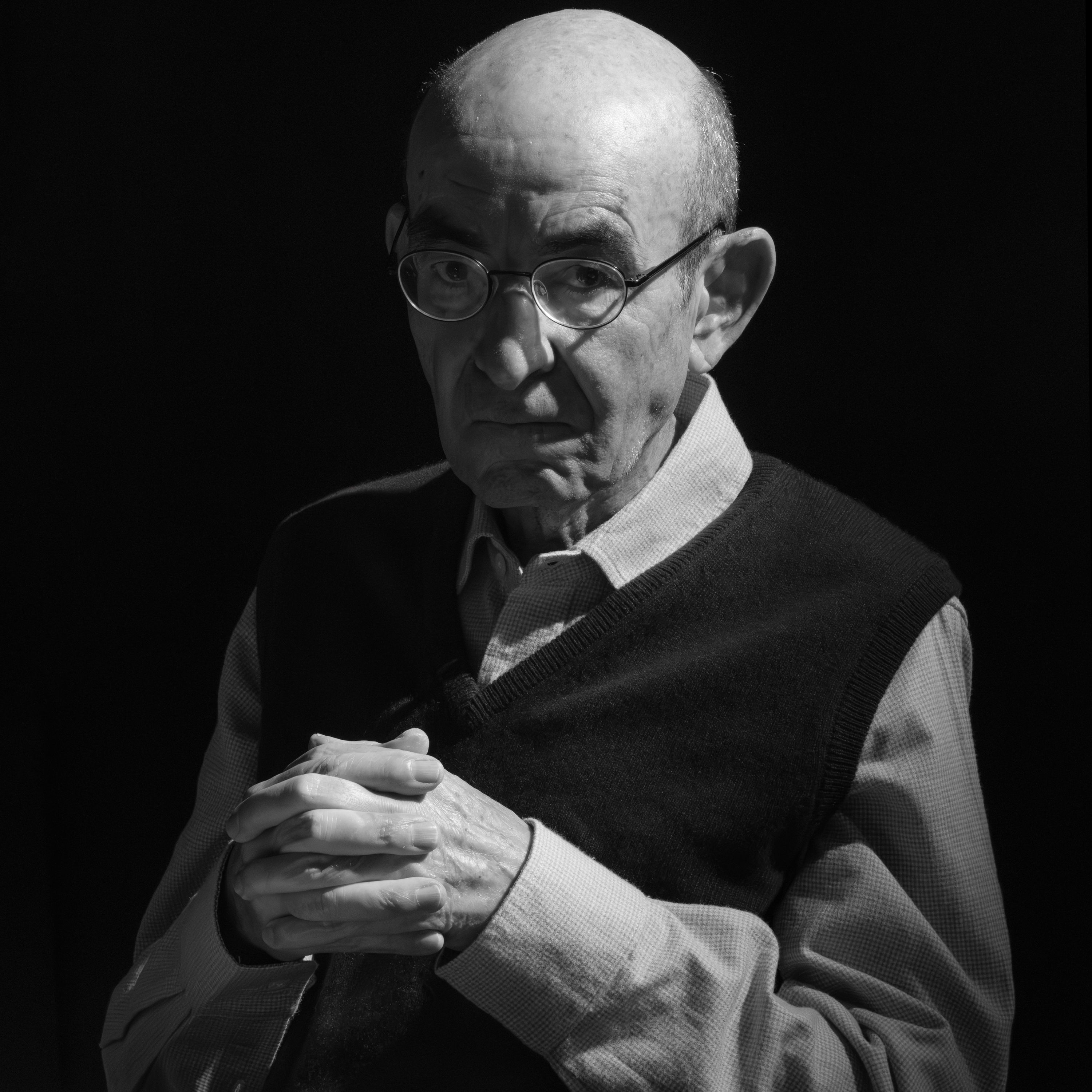
'The Interview': Raja Shehadeh Believes Israelis and Palestinians Can Still Find Peace

🤖 AI Summary
Overview
Raja Shehadeh, a Palestinian writer, lawyer, and human rights activist, reflects on decades of living under Israeli occupation in the West Bank. He discusses themes of exile, justice, the Israeli-Palestinian conflict, and the potential for peace, offering a nuanced perspective shaped by personal experience and a commitment to optimism.
Notable Quotes
- Anger is a dead end. It imprisons you. I always try to find a way out and see the other side as fellow human beings.
– Raja Shehadeh, on resisting anger in the face of conflict.
- Palestine has always been a place for three religions, enriching life through differences. Now, one religion seeks to dominate, and that’s perverse.
– Raja Shehadeh, on the historical coexistence in Palestine.
- The hope does not come from governments. The hope comes from people.
– Raja Shehadeh, on the potential for grassroots change in the Israeli-Palestinian conflict.
🌍 The Legacy of Exile
- Shehadeh recounts his family's displacement from Jaffa in 1948, describing the enduring exile's consciousness
that shapes his identity and sense of belonging.
- He reflects on the emotional weight of seeing Jaffa’s lights from Ramallah, symbolizing a home that remains out of reach.
- Exile, he explains, fosters a feeling of temporariness and disconnection from one’s current environment.
🔥 Anger, Hope, and Humanization
- Shehadeh emphasizes the importance of avoiding anger, which he views as paralyzing and counterproductive.
- Inspired by his father, he adopts a solution-oriented mindset, striving to understand the perspectives of others, including Israelis.
- He advocates for seeing the humanity in the other
as a foundation for dialogue and reconciliation.
📜 Justice and the Power of Narratives
- Shehadeh highlights his role as a writer in documenting the transformation of the West Bank, from its natural beauty to its current state under occupation.
- He critiques the mystification of history by colonization, stressing the importance of clarity and truth in understanding the conflict.
- The global recognition of terms like Nakba
and the increasing visibility of Palestinian voices in literature and media signal progress in reclaiming the Palestinian narrative.
🛑 Breaking Dangerous Illusions
- Shehadeh warns against the illusion of collective responsibility, where all Israelis or Palestinians are seen as monolithic groups.
- He underscores the dangers of dehumanization, which fuels violence and perpetuates cycles of suffering.
- Education about historical coexistence and mutual recognition of self-determination are proposed as steps toward dismantling these harmful perceptions.
🕊️ Paths to Peace and Optimism
- Shehadeh envisions a new narrative rooted in mutual recognition of rights and self-determination for both Israelis and Palestinians.
- He draws parallels to the global fight against apartheid in South Africa, expressing hope that international grassroots movements can drive change.
- Despite setbacks, he remains committed to dialogue, believing that coexistence on shared land is the only viable future.
AI-generated content may not be accurate or complete and should not be relied upon as a sole source of truth.
📋 Episode Description
The writer and lawyer has been documenting the occupation for decades. Somehow, he maintains hope.
- Thoughts? Email us at [email protected]
- Watch our show on YouTube: youtube.com/@TheInterviewPodcast
- For transcripts and more, visit: nytimes.com/theinterview
Subscribe today at nytimes.com/podcasts or on Apple Podcasts and Spotify. You can also subscribe via your favorite podcast app here https://www.nytimes.com/activate-access/audio?source=podcatcher. For more podcasts and narrated articles, download The New York Times app at nytimes.com/app.