

🤖 AI Summary
Overview
This episode explores how two low-budget horror films, Obsession and Backrooms, created by young directors, have captivated Gen Z audiences and revitalized the movie theater experience. The discussion delves into the cultural, thematic, and industry implications of these films' success.
Notable Quotes
- Young audiences don’t want their parents’ franchise hand-me-downs. They want a sense of investment in these movies.
— Kyle Buchanan, on why Gen Z is flocking to new, original films.
- These are special effects made by a teenager that outclass almost everything we see on big screens these days.
— Kyle Buchanan, on the groundbreaking work of Backrooms director Kane Parsons.
- Hollywood’s been giving them hand-me-downs. Do you want to wear all the clothes your parents or grandparents gave you?
— Kyle Buchanan, on Hollywood’s struggle to connect with younger audiences.
🎥 The Rise of Gen Z-Driven Box Office Hits
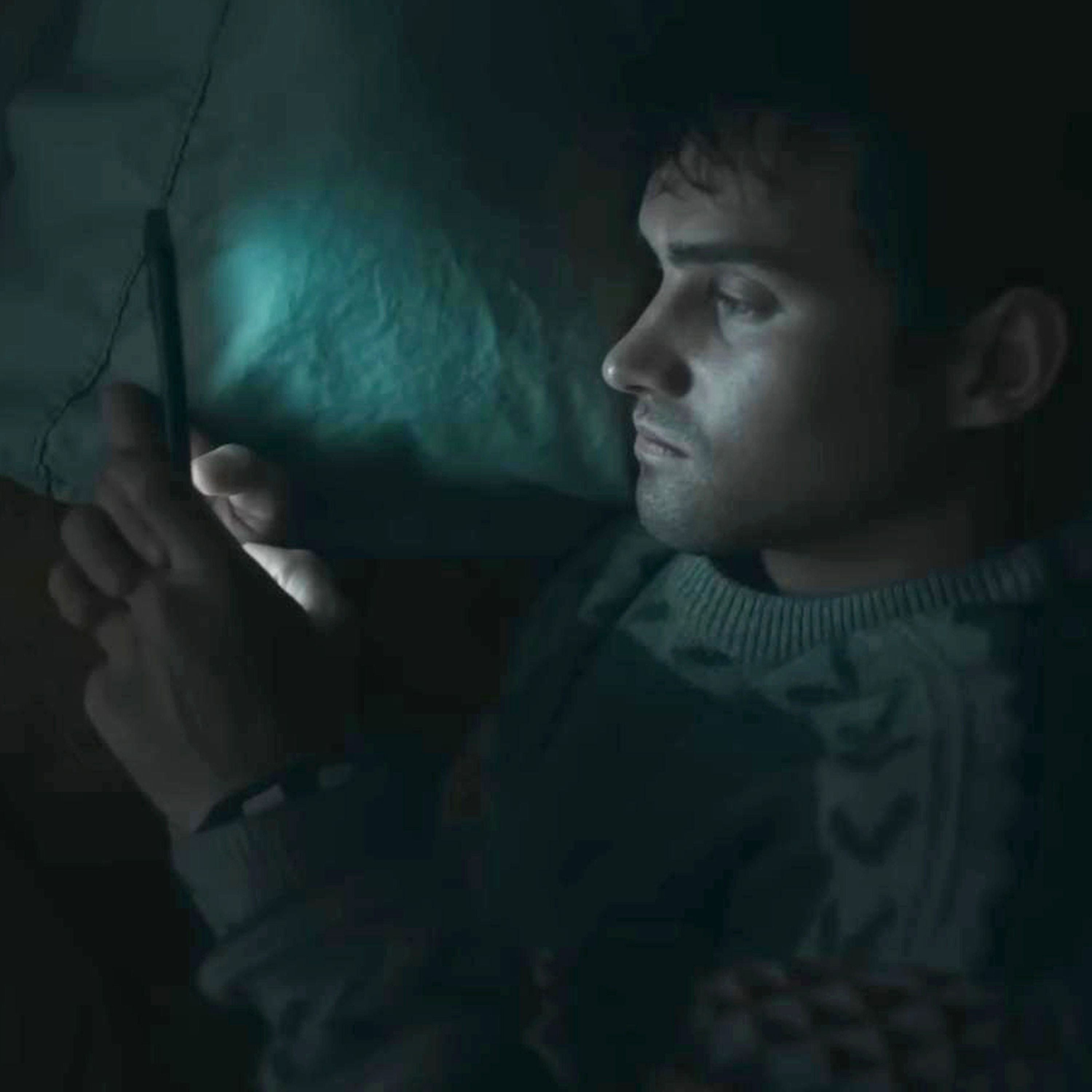
- Obsession and Backrooms have shattered expectations, with Obsession grossing over $265 million globally on a $750,000 budget and Backrooms earning $80 million in its opening weekend.
- Both films were created by young directors—Curry Barker (26) and Kane Parsons (20)—who started on YouTube, bypassing traditional Hollywood systems.
- Gen Z audiences, long thought to have abandoned theaters, are proving they will show up for films that feel relevant and exciting to them.
🧠 Themes That Resonate with Gen Z
- Obsession explores themes of consent, relationship anxiety, and the fear of unreciprocated feelings, all subtly woven into its horror narrative.
- Backrooms taps into Gen Z’s fascination with liminal spaces and internet-born creepypasta
lore, creating a uniquely unsettling atmosphere.
- Both films encourage post-viewing discourse, with fans analyzing hidden meanings and sharing theories online, amplifying their cultural impact.
📱 Social Media and the New Moviegoing Experience
- Social media has become integral to the success of these films, with audiences sharing reactions, memes, and theories on platforms like TikTok and YouTube.
- Viral trends, such as before and after
reactions to Obsession, have turned moviegoing into a participatory cultural event.
- The films’ creators, deeply embedded in online culture, understand how to engage their audience in ways traditional studios often miss.
🎮 The Influence of Gaming and Internet Culture
- Kane Parsons, director of Backrooms, drew inspiration from video games like Portal and Half-Life, crafting a visual language that resonates with Gen Z.
- His use of free tools like Blender and his self-taught approach reflect a DIY ethos that appeals to younger creators and audiences alike.
- The film’s origins in internet creepypasta
lore highlight how online storytelling can evolve into mainstream cinematic success.
💡 Lessons for Hollywood
- The success of Obsession and Backrooms underscores the demand for fresh, original content made by and for younger generations.
- Hollywood’s reliance on legacy franchises is increasingly alienating Gen Z, who crave stories that reflect their experiences and cultural touchpoints.
- Low-budget, high-impact films demonstrate that innovation and authenticity can outperform massive studio productions, offering a potential roadmap for the industry’s future.
AI-generated content may not be accurate or complete and should not be relied upon as a sole source of truth.
📋 Episode Description
For years, Hollywood has been trying to figure out how to get young people into movie theaters. This spring, it has happened at an unthinkable scale thanks to two low-budget horror films made by 20-something directors.
Today my colleague Kyle Buchanan explains what younger audiences see in these films and how they’ve energized an entire industry.
Guest: Kyle Buchanan, a pop culture reporter and awards season columnist for The New York Times.
Background reading: The viral creator Kane Parsons, who directed “Backrooms,” has gone from YouTube sensation to A24’s youngest director.
Photo: Focus Features
For more information on today’s episode, visit nytimes.com/thedaily. Transcripts of each episode will be made available by the next workday.
Subscribe today at nytimes.com/podcasts or on Apple Podcasts and Spotify. You can also subscribe via your favorite podcast app here https://www.nytimes.com/activate-access/audio?source=podcatcher. For more podcasts and narrated articles, download The New York Times app at nytimes.com/app.
Hosted by Simplecast, an AdsWizz company. See pcm.adswizz.com for information about our collection and use of personal data for advertising.