

🤖 AI Summary
Overview
This episode explores the economic and geopolitical dynamics of U.S.-Canada energy trade, Walmart's strategy to counter rising grocery prices, the growing interest in manufactured housing as a solution to the housing crisis, the potential impact of Mexican cattle imports on beef prices, and innovative approaches to water conservation in the drought-stricken Western U.S.
Notable Quotes
- This mutual dependence on energy and Canada's sense of vulnerability to the United States on energy has prompted proposals for a few major projects that are explicitly meant to diversify Canadian energy trade.
— Joe Calnan, Canadian Global Affairs Institute, on Canada seeking new energy partners.
- The temporary price cuts are hoped to bring in customers away from competitors and to have those customers stick.
— William Masters, Tufts University, on Walmart's strategy to attract price-sensitive shoppers.
- We either give you a smiley face or a neutral face. And those who got the neutral face are calling in far more frequently saying, 'What am I doing wrong? How can I change my water use?'
— Greg Fisher, Denver Water, on using behavioral nudges to encourage water conservation.
🇨🇦 U.S.-Canada Energy Trade and Rising Tensions
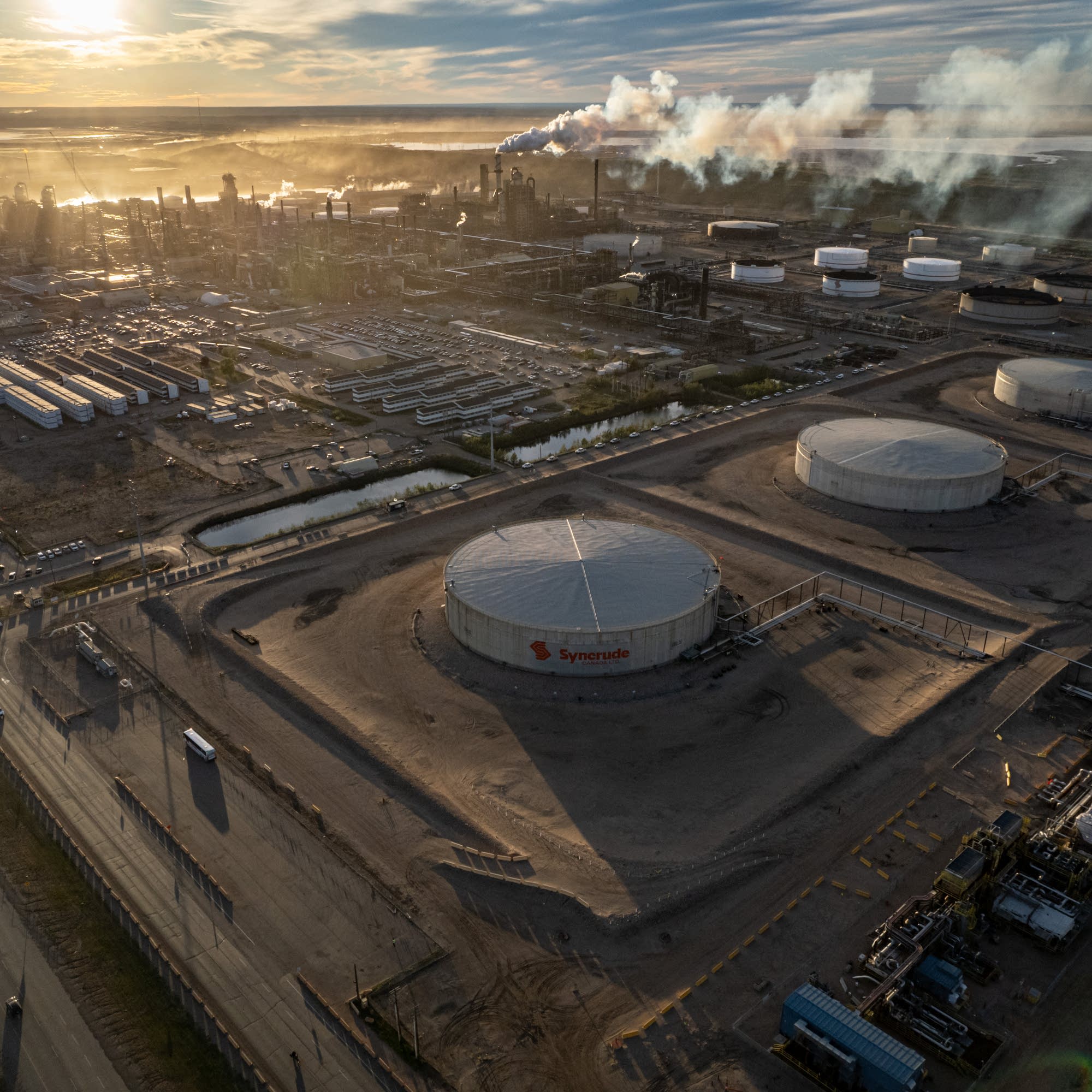
- The U.S. imports 4 million barrels of Canadian crude oil daily, a critical supply for American refineries tailored to process heavy crude from Alberta's oil sands. (Elizabeth Troval)
- Canadian producers rely on the U.S. for 98% of their crude oil export market, creating a mutually dependent relationship. (Kevin Byrne, S&P Global Energy)
- Rising trade tensions, including tariffs on Canadian goods, have fueled Canadian interest in diversifying energy partnerships. Proposed projects include pipelines and LNG export facilities to reduce reliance on the U.S. (Joe Calnan, Canadian Global Affairs Institute)
🛒 Walmart's Inflation-Busting Grocery Strategy
- Walmart has rolled back prices on 11,000 grocery items, leveraging a $3 billion tariff refund and profits from non-grocery sales to subsidize these cuts. (Kaylee Wells)
- The company is capitalizing on financially strained consumers, including higher-income shoppers, who are increasingly seeking savings. (Mark Cohen, Columbia University)
- Experts predict these price cuts are temporary, designed to lure customers from competitors before prices rise again. (William Masters, Tufts University)
🏠 Manufactured Housing: A Solution to the Housing Crisis?
- Factory-built homes, including cross mods,
are gaining traction as a more affordable alternative to traditional site-built homes, costing $100,000–$150,000 compared to $400,000 for comparable site-built homes. (Julie Weil, The Washington Post)
- Recent policy changes, such as zoning reforms and the removal of federal chassis requirements, are making manufactured housing more viable.
- Despite affordability, challenges remain, including lingering stigma and high costs in certain markets like California, where factory-built homes can still cost $600,000.
🥩 Mexican Cattle Imports and Beef Prices
- The U.S. has resumed importing live cattle from Mexico after a year-long halt due to parasite concerns. These imports previously accounted for 4% of the U.S. beef supply. (Caitlin Tan)
- While the imports could help lower beef prices, the impact will take 8–12 months to materialize as the cattle need time to fatten.
- Experts warn that a sudden influx of processed beef imports could hurt U.S. ranchers by lowering live cattle prices during the fall selling season. (James Mitchell, University of Arkansas)
💧 Behavioral Economics and Water Conservation
- Denver Water has implemented restrictions and behavioral nudges, such as sending customers water usage reports with smiley or neutral faces, to encourage conservation. (Greg Fisher, Denver Water)
- Advanced technologies like aerial photography and water usage analytics are being used to monitor and guide consumer behavior.
- Long-term strategies include promoting water-wise landscaping and replacing water-intensive bluegrass with native plants to ensure sustainable water use in drought-prone regions. (Greg Fisher)
AI-generated content may not be accurate or complete and should not be relied upon as a sole source of truth.
📋 Episode Description
Fuel hasn’t been touched in the trade clash between the U.S. and Canada (yet). It’s probably because the countries have an interdependent energy relationship — American refineries rely on Canadian crude; 90% of Canadian crude exports go to the U.S. But as tensions escalate, we started to wonder: Is Canada looking for alternative buyers? Also in this episode: Imported Mexican cattle could temporarily ease beef prices, Walmart bucks inflation trend by announcing grocery price cuts, and suburbia embraces factory-built homes.
Every story has an economic angle. Want some in your inbox? Subscribe to our daily or weekly newsletter.
Marketplace is more than a radio show. Check out our original reporting and financial literacy content at marketplace.org — and consider making an investment in our future.
Read the stories in today’s episode: