
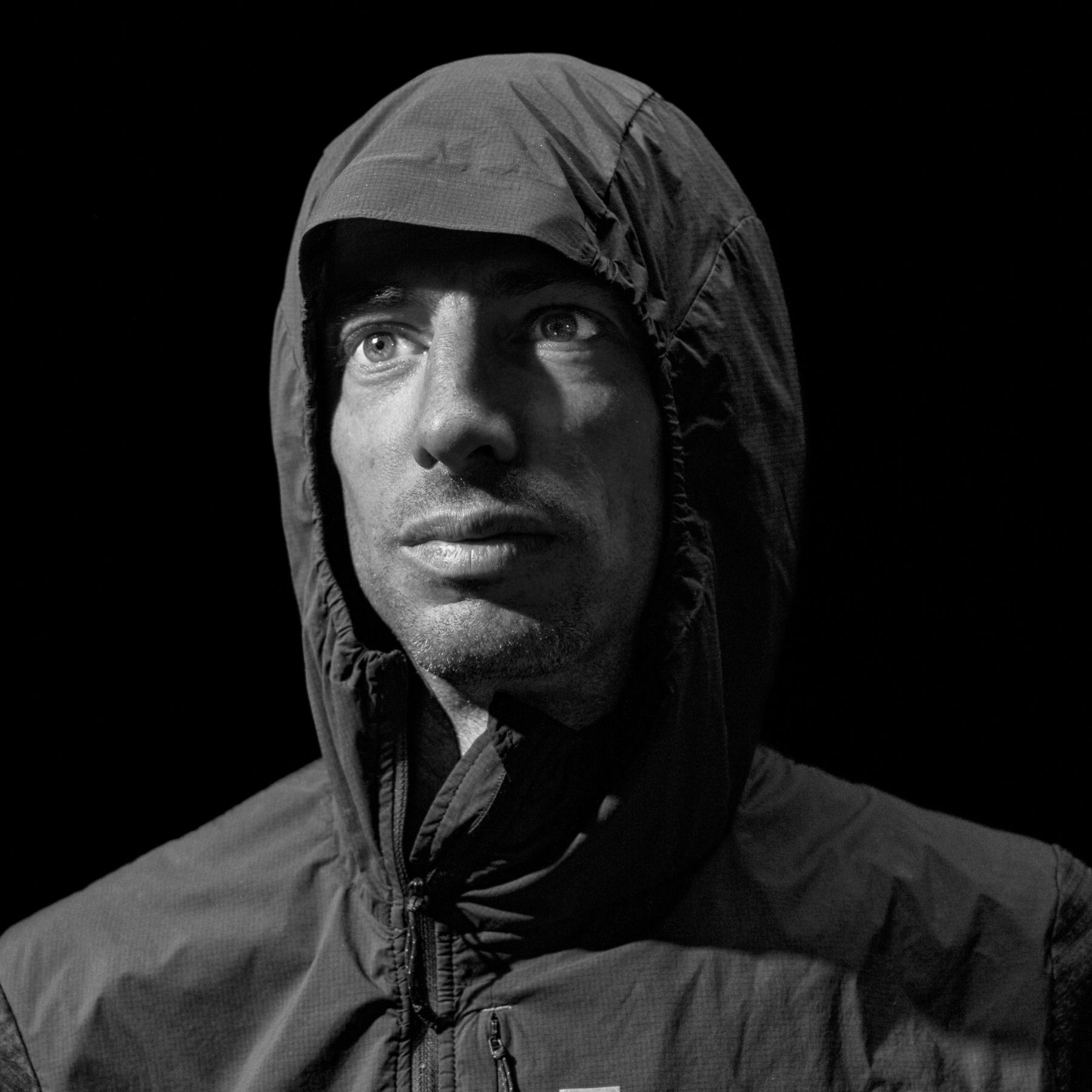
'The Interview': Kílian Jornet on What We Can Learn From Pushing Our Bodies to Extremes

🤖 AI Summary
Overview
This episode delves into the extraordinary life and philosophy of Kílian Jornet, a world-renowned ultramarathoner and mountaineer. Jornet shares insights on his physical and mental endurance, his connection to nature, the risks of his pursuits, and the lessons he has learned from pushing his body to its limits. He also reflects on the balance between personal ambition, family life, and the broader purpose of his endeavors.
Notable Quotes
- Sport, mostly, is about taking. When you are helping others that are in need, it's about giving.
– Kílian Jornet, on the selfish nature of competitive sports.
- Euphoria is as dangerous as fear because it blinds you.
– Kílian Jornet, on the emotional extremes of mountaineering.
- We often think we need to treat the body well, but if we never let it be thirsty, hungry, or tired, it won’t develop the capabilities to adapt.
– Kílian Jornet, on the importance of physical resilience.
🌄 Connection to Nature and Self
- Jornet describes the mountains as his home, a place where he feels most connected to himself and the environment.
- He views running, climbing, and biking as tools for exploration, emphasizing humanity's innate ability to move and endure for long periods.
- His upbringing in the Pyrenees, with parents who valued exploration over competition, taught him to feel calm and at home in nature.
- Jornet believes that being in wild spaces allows for a deeper connection with oneself, away from the constant distractions of modern life.
💪 The Limits of Physical and Mental Endurance
- Jornet has achieved extraordinary feats, such as climbing Everest twice in one week without oxygen or support and scaling 72 peaks in the U.S. while cycling 2,400 miles between them.
- He trains over 1,000 hours annually and climbs more than a million vertical feet, pushing his body to adapt to extreme conditions.
- Jornet recounts surviving life-threatening situations, such as avalanches and hallucinations at high altitudes, by relying on mental focus and the body's hidden reserves.
- He emphasizes the importance of listening to fear and euphoria, as both can cloud judgment and lead to dangerous decisions.
⚠️ Risk, Loss, and Mortality
- Jornet reflects on his high risk tolerance and the fine line between life and death in mountaineering. He acknowledges the role of luck in survival but strives to analyze risks rationally.
- He recounts the death of his friend Stefan Brosa during a climb, which profoundly impacted him and led to a period of reckless risk-taking as he grappled with grief.
- Becoming a father has shifted his perspective, making him more conscious of the risks he takes and the importance of being present for his children.
🧘♂️ The Meditative Aspects of Extreme Sports
- Jornet likens mountaineering to meditation, as it requires intense focus on the present moment, leaving no room for past or future concerns.
- He shares experiences of hallucinations and heightened awareness during extreme conditions, which he interprets as the unconscious mind finding ways to keep going.
- Jornet sees beauty and peace in the simplicity of movement and the natural world, often finding joy in small moments like sunrises or wildlife encounters.
🏔️ Balancing Ambition, Family, and Purpose
- Jornet discusses the challenges of balancing his elite athletic career with family life, sharing responsibilities with his wife, who is also an ultrarunner.
- He reflects on the selfish nature of competitive sports and the contrast with altruistic acts, such as his relief efforts in Nepal after the 2015 earthquake.
- Looking ahead, he hopes to embrace the slower pace of aging while continuing to find joy in movement and nature. Jornet emphasizes the importance of doing what brings personal fulfillment rather than conforming to societal expectations.
AI-generated content may not be accurate or complete and should not be relied upon as a sole source of truth.
📋 Episode Description
The ultrarunner and mountaineer finds peace through doing unimaginably hard things.
Subscribe today at nytimes.com/podcasts or on Apple Podcasts and Spotify. You can also subscribe via your favorite podcast app here https://www.nytimes.com/activate-access/audio?source=podcatcher. For more podcasts and narrated articles, download The New York Times app at nytimes.com/app.