

🤖 AI Summary
Overview
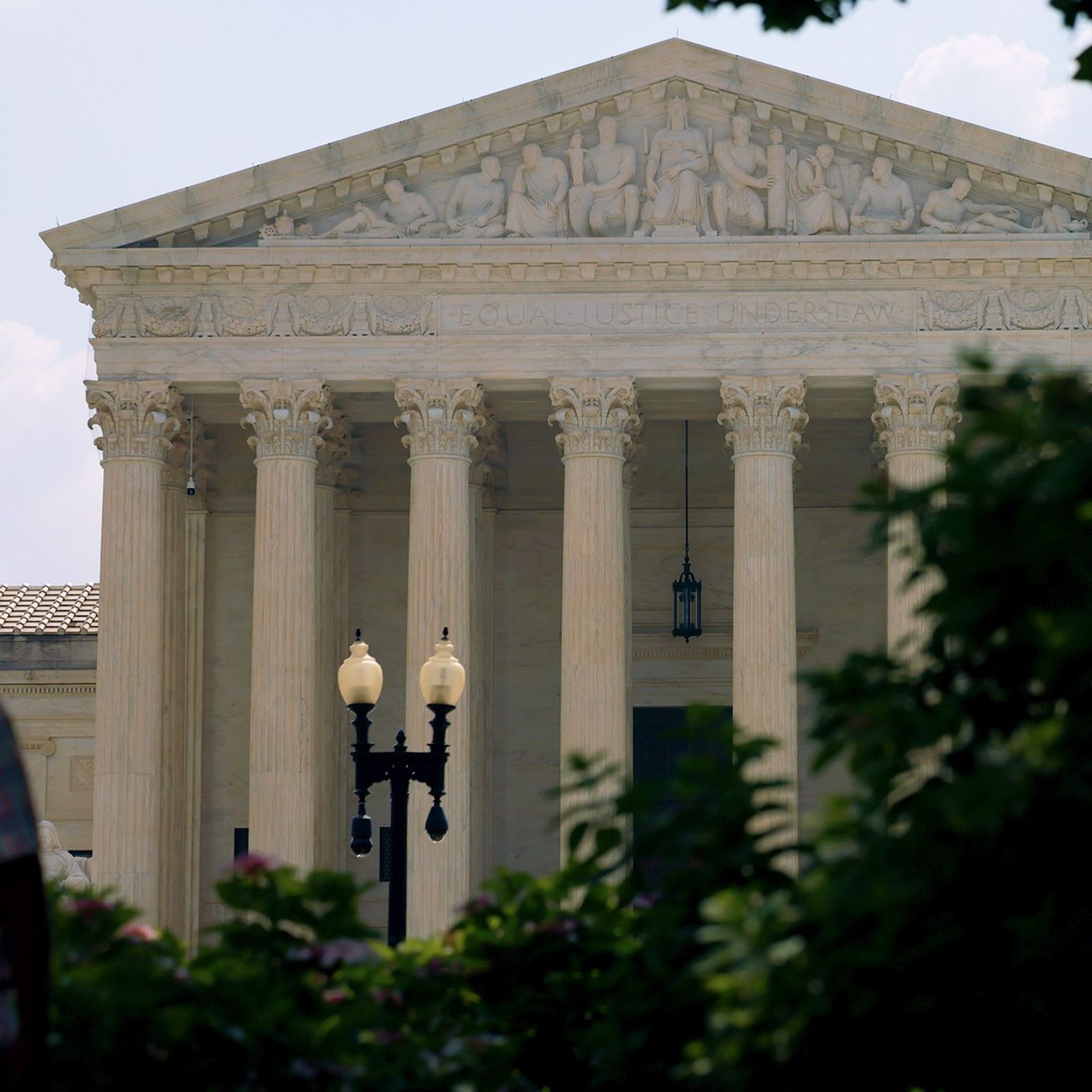
The episode explores two landmark Supreme Court rulings that reshape the balance of power in the federal government. The first ruling grants the president sweeping authority to fire leaders of independent federal agencies, overturning nearly a century of precedent. The second ruling, however, carves out an exception for the Federal Reserve, preserving its independence. These decisions highlight the court's evolving stance on presidential power and its broader implications for governance.
Notable Quotes
- In granting the president this unbridled authority, the court upends its precedent, misconstrues our history, and sheds any pretense of judicial modesty.
– Justice Sonia Sotomayor, dissenting on the expansion of presidential power.
- Because of this ruling, whenever the pendulum swings in the other direction, it’s going to swing hard.
– Ann E. Marimow, on the long-term implications of the court's decision.
- The presidency has gotten the most powerful because of these court rulings, but this power will outlast this president and could be used for entirely different ends.
– Michael Barbaro, reflecting on the broader consequences of the rulings.
🛠️ Expansion of Presidential Power
- The Supreme Court ruled that presidents can now fire leaders of independent federal agencies, such as the Federal Trade Commission, without cause.
- This decision overturns a 90-year-old precedent designed to insulate these agencies from political influence.
- Chief Justice John Roberts, writing for the majority, argued that the president must have control over executive branch officials to ensure accountability.
- Critics, including Justice Sotomayor in her dissent, warn that this ruling undermines the independence of agencies meant to protect consumers and investors.
⚖️ The Federal Reserve Exception
- In a seemingly contradictory ruling, the court upheld job protections for Federal Reserve Board members, emphasizing the institution's unique role in global economic stability.
- The decision stemmed from a case involving Lisa Cook, a Federal Reserve governor whom President Trump attempted to fire.
- The court cited the Federal Reserve's critical independence as justification for this exception, supported by amicus briefs from former Treasury officials.
- Justice Clarence Thomas dissented, arguing that the distinction between the Federal Reserve and other agencies lacks constitutional grounding.
📜 The Unitary Executive Theory
- The rulings reflect the conservative legal movement's embrace of the unitary executive theory,
which posits that the president should have direct control over all executive branch officials.
- Chief Justice Roberts has long supported this theory, dating back to his time in the Reagan administration.
- Proponents argue this approach ensures a more accountable executive branch, while critics fear it politicizes regulatory agencies.
🏛️ The Court’s Role in Shifting Power
- The rulings are part of a broader trend of the Supreme Court weakening Congress's authority while expanding presidential and judicial power.
- Examples include overturning the Voting Rights Act, gutting campaign finance reform in Citizens United, and now dismantling job protections for independent regulators.
- Ann E. Marimow notes that the court is not just empowering the presidency but also consolidating its own influence over governance.
🔄 Long-Term Implications
- While these rulings currently benefit a Republican president, they set a precedent that could empower future Democratic presidents to reshape federal agencies.
- Legal analysts suggest this could lead to significant policy swings depending on the party in power, undermining the bipartisan stability these agencies were designed to ensure.
- Justice Sotomayor’s dissent warns that this shift will fundamentally alter the structure of the federal government, making it more susceptible to political whims.
AI-generated content may not be accurate or complete and should not be relied upon as a sole source of truth.
📋 Episode Description
The Supreme Court on Monday delivered one of the biggest changes in decades to how the federal government works when it ruled that President Trump could fire independent government regulators. Then, it announced an exception to its own ruling.
Ann E. Marimow, who covers the Supreme Court for The New York Times, explains what the court was up to.
Guest: Ann E. Marimow, the Supreme Court for The New York Times from Washington.
Background reading:
- The Supreme Court expanded Mr. Trump’s power to fire officials but prevented the removal of Lisa Cook, a Federal Reserve governor.
Photo: Tierney L. Cross for The New York Times
For more information on today’s episode, visit nytimes.com/thedaily. Transcripts of each episode will be made available by the next workday.
Subscribe today at nytimes.com/podcasts or on Apple Podcasts and Spotify. You can also subscribe via your favorite podcast app here https://www.nytimes.com/activate-access/audio?source=podcatcher. For more podcasts and narrated articles, download The New York Times app at nytimes.com/app.
Hosted by Simplecast, an AdsWizz company. See pcm.adswizz.com for information about our collection and use of personal data for advertising.